Colourinn Industries – Textile & Dyes Auxiliaries Manufacturer & Exporter

Blog

  1. Home
  2. /
  3. Blog

2026 Best Textile Printing Chemicals List for Global Buyers

The 2026 Best Textile Printing Chemicals List for Global Buyers is designed for practical sourcing decisions. It covers pigments, reactive dyes, binders, thickeners, softeners, pretreatment agents, and washing auxiliaries. Each category affects print clarity, fabric handle, color fastness, production speed, and wastewater management.

A reliable textile printing chemicals list should connect laboratory performance with factory reality. A vivid sample may fail after washing, heat curing, or repeated stretching. Buyers should examine technical data sheets, safety documentation, batch consistency, storage requirements, and application instructions. Supplier experience also matters, especially when cotton, polyester, viscose, and blended fabrics require different chemical systems. Small details count. A blocked mesh can waste hours.

This guide considers suppliers, product performance, testing methods, certification practices, and regional purchasing conditions. It encourages buyers to request samples and conduct controlled trials before placing large orders. Independent testing can verify color strength, rubbing fastness, formaldehyde limits, restricted substances, and wastewater-related concerns. Regulations and customer standards vary across markets, so documentation should be checked carefully.

No list can replace professional judgment. Product rankings may change with formulation updates, energy costs, equipment settings, and local compliance requirements. Some recommendations may need revision after real production trials. That limitation is important. A chemical that performs well in one printing room may create defects in another. Careful evaluation remains the most dependable path toward quality, safety, and long-term supply stability.
2026 Best Textile Printing Chemicals List for Global Buyers

What Textile Printing Chemicals Are and Why They Matter

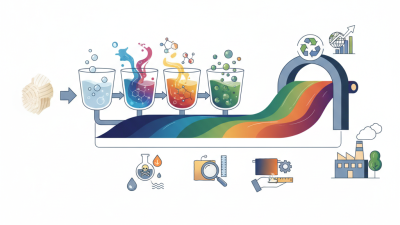
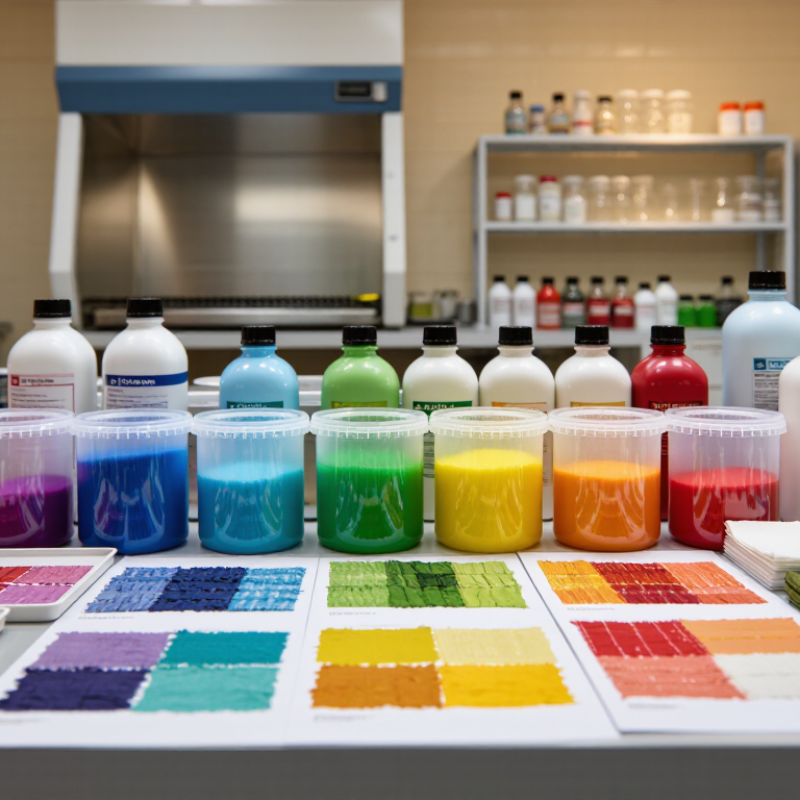
Textile printing chemicals are formulation ingredients used to place color on fabric and keep it there. They are not merely additives. Pigments provide shade, while binders form a flexible film around the color particles. Thickeners control paste flow during screen or digital application. Wetting agents help the paste spread evenly, and defoamers reduce bubbles that can leave pinholes. Some printing systems also require curing aids or softeners. Each component affects the fabric’s handle, sharpness, durability, and production speed.

Their importance becomes clear during real production. I have seen a bright print fail after several wash cycles because the binder was poorly matched to the fabric. A formula may look perfect on paper. It can still crack, bleed, or feel stiff after curing.

Cotton, polyester, and blended fabrics often need different chemical balances. Temperature, humidity, dryer settings, and paste storage also change results. Small process errors matter.

For global buyers, chemical selection should include technical data, safety documentation, batch traceability, and clear application guidance. Request wash-fastness, rubbing-fastness, and curing test results under defined conditions. Independent laboratory checks can confirm supplier claims. Review restricted-substance requirements and wastewater controls in the destination market. A low-cost paste may create higher losses through reprinting, rejected goods, or unstable color. Even experienced teams should repeat pilot trials, because fabric lots and machines are rarely identical.

How Textile Printing Chemicals Are Classified by Printing Process

2026 Best Textile Printing Chemicals List for Global Buyers

Textile printing chemicals are best classified by the printing process, fiber type, and fixation method. Pigment printing uses pigments with binders, thickeners, softeners, and curing catalysts. The binder forms a film around the pigment. Heat then improves wash durability. This process suits many fibers, but excessive binder can create a stiff hand feel.

Reactive printing is mainly used for cotton, linen, and other cellulosic fibers. Its chemical system may include reactive colorants, alkali, urea, salt, and printing thickeners. Alkali supports bonding between the colorant and fiber. Proper steaming is critical. Poor washing can leave unfixed color and raise wastewater treatment needs. It is a detail buyers sometimes underestimate.

Disperse printing targets polyester and blended fabrics. Dispersing agents, migration inhibitors, and high-temperature fixation chemicals help control shade movement. Acid printing is common for wool, silk, and nylon. It often requires acid donors, leveling agents, and compatible thickeners. Discharge printing removes existing color before adding a new shade, while resist printing blocks color penetration with a protective paste. These categories can overlap in real production. A blended fabric may need compromise.

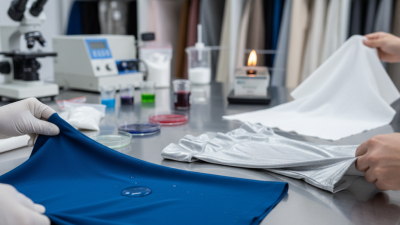
From practical testing, buyers should compare color yield, rubbing fastness, curing temperature, fabric softness, and residual chemical levels. Small laboratory prints can reveal problems before bulk production. Testing under actual humidity and machine conditions is wiser. Supplier documentation should include safety data, batch consistency, restricted-substance screening, and wastewater guidance. No chemical list is universally correct. Process conditions change the result.

Which Chemical Properties Define High-Quality Printing Results

2026 Best Textile Printing Chemicals List for Global Buyers: Which Chemical Properties Define High-Quality Printing Results

High-quality textile printing begins with chemical behavior, not attractive catalog claims. Viscosity controls screen flow and edge sharpness. Surface tension affects wetting, especially on tightly woven polyester. The pH must remain stable during storage and production. Sudden changes can cause shade variation, sediment, or weak fixation. Particle size also matters. Finer, evenly dispersed particles create smoother images and reduce nozzle blockage in digital printing.

The 2024 Textile Exchange Materials Market Report estimated global fiber production at 124 million tonnes in 2023. Polyester represented about 57% of that volume, increasing demand for dispersing agents, binders, and migration-control systems.

For buyers, washfastness, rubbing resistance, heat stability, and chemical compatibility deserve laboratory evidence. AATCC test methods can support checks for colorfastness and crocking. ZDHC chemical management guidance also encourages clearer hazard screening and wastewater controls.

Yet no recipe is perfect. A strong result on cotton may fail on recycled polyester.

Tips: Request viscosity, pH, solids, particle-size, and storage-stability data. Ask for test conditions, not only pass results. Compare fixation temperature with the fabric’s heat tolerance. Check whether softeners, auxiliaries, and pretreatment chemicals interact. Small trials expose problems early. Keep batch records. A missing record can weaken an otherwise reliable approval. Suppliers should provide current safety documentation and traceable quality certificates, while buyers should repeat testing after formulation changes.

How Global Buyers Can Evaluate Suppliers, Compliance, and Costs

Global buyers should assess textile printing chemicals as production inputs, not isolated products. A useful list may include pigments, binders, thickeners, softeners, crosslinkers, and pretreatment agents. Ask for current technical data sheets, safety data sheets, batch records, and recommended dosage ranges. Paperwork matters.

Compliance depends on the destination market and product use. Request evidence for restricted-substance control, wastewater guidance, worker protection, and chemical traceability. Do not accept vague claims such as “eco-friendly.” An independent laboratory can test restricted substances and color fastness from printed fabric samples. Test the actual fabric, curing temperature, print method, and washing process. Small details change results. Supplier audits should examine storage conditions, labeling, emergency procedures, and batch consistency. Remote documents help, but they cannot reveal every factory weakness.

Cost evaluation requires more than comparing drum prices. Calculate chemical dosage, print yield, curing energy, freight, duties, minimum order quantity, shelf life, and disposal costs. A cheaper binder may require higher use or create more rework. Ask suppliers for a landed-cost quotation and a production trial plan. Include replacement lead time and technical support. I would not trust a perfect spreadsheet; real production often includes shade corrections, delayed shipments, and rejected fabric. Compare at least two qualified suppliers, record test results, and review performance after several commercial batches.

2026 Best Textile Printing Chemicals List for Global Buyers - How Global Buyers Can Evaluate Suppliers, Compliance, and Costs

Reference basis: Indicative bulk-market ranges for textile printing chemicals. Actual prices depend on purity, concentration, order volume, origin, packaging, freight, exchange rates, and certification status.
Chemical Category Typical Printing Application Common Substrate Typical Use Level Indicative Bulk Cost
(USD/kg)
Key Performance Indicators Main Compliance Checks Buyer Evaluation Focus
Reactive Dye High-colour-strength printing with chemical fixation to cellulose fibres Cotton, viscose, lyocell, linen and other cellulosic fibres 0.5–8% of print paste, depending on shade depth 8–25 Colour strength, fixation yield, wash fastness, light fastness, reproducibility Restricted amines, heavy metals, banned aromatic substances, wastewater colour load, restricted substances lists Request shade cards, batch-to-batch data, fixation recipe, test reports and wastewater guidance
Pigment Concentrate Surface coloration without fibre-specific chemical fixation Cotton, polyester, blends, nylon and many coated fabrics 1–15% of print paste 4–15 Tinting strength, dispersion stability, rub fastness, migration resistance, shade consistency Heavy metals, formaldehyde, alkylphenol ethoxylates, banned aromatic amines and restricted pigments Check pigment particle size, storage stability, compatibility with binder and digital or rotary equipment
Acrylic or Polyurethane Binder Forms a flexible film to anchor pigment on the textile surface Cotton, polyester, blends and synthetic fabrics 10–40% of print paste 2–8 Softness, stretch recovery, adhesion, crocking, wash durability and curing tolerance Residual formaldehyde, N-methylpyrrolidone, organotin compounds, APEO and volatile organic compounds Compare dry-film hand feel, minimum curing temperature, viscosity stability and emissions documentation
Synthetic Printing Thickener Controls viscosity, edge sharpness and colour transfer in print paste Most woven and knitted textile substrates 0.5–3% of print paste 2–6 Viscosity profile, shear recovery, penetration control, screen release and storage stability Residual monomers, formaldehyde, APEO, biodegradability profile and wastewater treatability Require viscosity data at defined temperature and shear conditions rather than relying only on product grades
Sodium Alginate Thickener Natural thickener for reactive dye printing and controlled colour penetration Cotton, viscose, linen and other cellulosic fibres 1–8% of print paste 2.5–7 Viscosity consistency, low interaction with dyes, clean wash-off and print definition Purity, microbial control, heavy metals, agricultural contaminants and biodegradability Check viscosity grade, moisture content, solution preparation time and lot consistency
Urea Moisture-retention agent that supports dye solubility and penetration Primarily cellulosic fabrics in reactive printing 2–10% of print paste, process-dependent 0.4–1.0 Dye solubility, moisture retention, fixation efficiency and wash-off demand Nitrogen load in effluent, purity, biuret content and local wastewater requirements Calculate total nitrogen discharge cost; lower-urea recipes may reduce wastewater treatment expenses
Wetting and Penetrating Agent Improves substrate wetting, paste spreading and uniform colour penetration Cotton, polyester, blends and technical textiles 0.1–2% of print paste 1.5–5 Dynamic surface tension, foam tendency, penetration speed and shade uniformity APEO, PFAS, VOCs, aquatic toxicity and biodegradation Test at production water hardness and temperature; excessive wetting can reduce print sharpness
Defoamer Controls foam during paste preparation, circulation and printing Most textile printing systems 0.05–0.5% of print paste 1.5–6 Rapid foam knockdown, compatibility, low surface defects and stable performance Silicone content, mineral oil purity, APEO, VOCs and wastewater separation behaviour Confirm that the product does not cause pinholes, uneven wetting, shade change or screen contamination
Alkali or Fixing Agent Promotes reactive dye fixation and controls printing-paste alkalinity Cotton, viscose, linen and other cellulosic fibres 1–8% of print paste, depending on dye system 0.5–3 pH stability, fixation rate, colour yield, fabric strength and wash-off efficiency Chemical classification, worker exposure, corrosivity, sodium load and wastewater pH Review safety data, dosing accuracy, storage conditions and compatibility with the selected dye range
Formaldehyde-Free Fixative Improves wet fastness of direct, reactive or pigment-printed textiles Cellulosic fabrics and selected blended materials 0.5–5% on fabric or in after-treatment bath 2–8 Wet-rub fastness, shade change, handle, durability and low formaldehyde release Free and released formaldehyde, APEO, restricted cationic substances and skin-contact requirements Require formaldehyde test results after laundering and verify compatibility with shade and hand-feel targets
Crosslinking Agent Enhances binder film durability, wash resistance and pigment adhesion Pigment-printed cotton, polyester and blended textiles 0.5–5% of print paste 3–10 Film strength, flexibility, curing response, wash durability and yellowing resistance Formaldehyde, isocyanates, residual monomers, VOCs and worker-safety classification Assess pot life, curing-window tolerance, ventilation needs and impact on fabric softness
Digital Textile Printing Pretreatment Controls ink spreading, colour yield and surface absorption before inkjet printing Cotton, polyester, nylon, silk and blended fabrics, according to ink chemistry 10–40 g/m², equipment and fabric dependent 2–12 Optical density, dot gain, drying speed, nozzle reliability, colour gamut and wash fastness APEO, PFAS, formaldehyde, heavy metals, VOCs and wastewater discharge profile Run printer-specific trials and compare total cost per printed square metre, not chemical price alone
Global buyer checklist: Confirm a current Safety Data Sheet, technical data sheet, certificate of analysis, restricted-substance declaration, batch traceability, shelf-life data, transport classification, sample approval records and relevant third-party chemical certification where required. Verify compliance against the destination market, customer restricted-substance list, applicable chemical regulations and wastewater limits.
Cost note: Landed cost should include product dosage, yield, curing or steaming energy, washing requirements, wastewater treatment, testing, packaging, freight, duties and potential production losses.

2026 Selection Checklist for Textile Printing Chemicals by Application

For global buyers, the right textile printing chemical depends on fabric, print method, and end use. Cotton reactive printing requires dyes with strong fiber bonding and reliable wash fastness. Polyester usually needs disperse systems that tolerate controlled heat fixation. Pigment systems suit many blends, but binder selection affects softness, rubbing resistance, and fabric handle. Check the application before comparing price.

Review the technical data sheet, safety data sheet, recommended dosage, pH range, viscosity, and storage life. Confirm compatibility with pretreatment agents, thickeners, binders, and fixing chemicals. A small lab print can reveal more than a sales claim. Measure color strength, penetration, crocking, washing resistance, curing response, and shade repeatability. Test the actual fabric, not only a laboratory swatch. Results may change with humidity, fabric weight, or machine speed.

For sportswear, assess stretch recovery and low-temperature curing. For home textiles, focus on repeated washing and skin-contact requirements. For nylon, check acid-dye compatibility and resistance to chlorine exposure. Request batch records and independent testing for restricted substances. Verify local chemical regulations before shipment. Keep samples from every approved batch. I have seen stable formulas behave differently after long storage. That weakness deserves attention. A practical checklist should include production trials, worker handling controls, wastewater considerations, and a clear process for investigating shade or fastness failures.