What Is the Best Textile Finishing Agent from China?
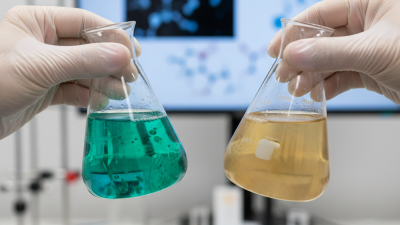
Choosing the best textile finishing agent from China requires more than comparing prices, packaging, or attractive product claims. The right choice depends on fabric type, finishing purpose, production temperature, and required hand feel. Cotton may need a softener that preserves absorbency, while polyester often requires an agent that improves smoothness and reduces static. A practical evaluation begins with a small laboratory trial, followed by a controlled production test. Results should be checked after washing, drying, ironing, and storage.
Small tests matter.
Experienced textile buyers usually request a technical data sheet, safety information, recommended dosage, and batch consistency records. Reliable Chinese manufacturers can explain their raw materials, quality controls, application process, and export experience without hiding limitations. Independent testing may also confirm whiteness, softness, color fastness, pH value, and formaldehyde compliance where applicable. These details create evidence, not merely promises.
Yet no universal textile finishing agent suits every mill. A silicone-based product may create a smooth, luxurious touch, but excessive use can reduce absorbency or affect dyeing. A low-cost option may perform well in one season and vary in another batch. That risk deserves attention. Supplier audits, retained samples, and clear acceptance standards can reduce uncertainty. Certifications are useful, but they should be verified rather than accepted blindly. The best product is the one that performs consistently on the intended fabric, meets responsible manufacturing expectations, and remains commercially practical. This answer may change after real trials, because laboratory results do not always predict large-scale production perfectly.
Definition and Role of Textile Finishing Agents
Textile finishing agents are chemical auxiliaries applied after weaving, dyeing, or printing. They modify fabric performance without changing its basic fiber structure. Common functions include softening, water repellency, crease resistance, flame control, and soil release. A finishing bath may contain a polymer, a wetting aid, and carefully measured water. The exact recipe depends on fiber type, fabric weight, shade, and end use.
In practical production, the best agent is not universally the strongest one. A softener for cotton shirts may reduce absorbency if overdosed. A durable water-repellent finish can affect hand feel and later recycling steps. Technicians usually check concentration, pH, temperature, and curing time. They also test rubbing fastness, dimensional change, odor, and wash durability. Small laboratory trials help prevent uneven padding, stiff patches, or yellowing after heat treatment. I have found that a finish looking excellent under factory lights may feel disappointing after three home washes.
Selection also requires trustworthy evidence. For buyers sourcing from China, local trial data matters more than a generic promise. Suppliers should provide technical data, safety information, recommended dosage, and test methods. Independent testing is useful when claims involve durability or skin contact. Results should match the buyer’s actual performance target, not attractive marketing language. Some decisions remain imperfect because softness, durability, cost, and environmental impact can conflict. That trade-off deserves honest measurement. A careful program records each batch, including fabric moisture and drying conditions. Small process changes can alter final hand and appearance.
Key Types of Textile Finishing Agents from China
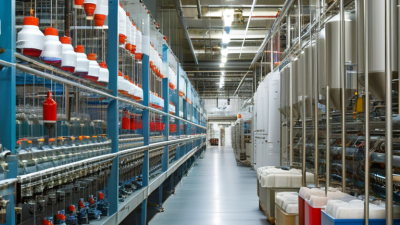
China’s textile finishing sector supplies agents for comfort, appearance, protection, and easier care.
The key types include silicone softeners, hydrophilic finishes, water-repellent treatments, antimicrobial agents, flame-resistant systems, and wrinkle-control resins. Each product changes fabric behavior differently. Silicone softeners create a smooth hand feel, while hydrophilic finishes help polyester move moisture away from skin. Water repellents improve surface beading, but performance can decline after repeated washing.
Scale matters.
The Textile Exchange Materials Market Report 2024 recorded global fiber production at 124 million tonnes in 2023. Polyester represented about 57% of output, creating strong demand for wicking, softening, and low-temperature finishing chemistry.
Chinese mills often combine several agents in one bath. That saves energy and processing time. However, compatibility problems may reduce absorbency or cause uneven shade. Small trials matter.
A reliable selection process checks fabric type, dosage, curing temperature, and washing durability. Technical teams commonly review spray ratings under AATCC TM 22, moisture management, color change, and pilling after laundering.
Antimicrobial claims require appropriate testing, such as ISO 20743, rather than supplier declarations alone. The OECD’s garment due-diligence guidance also supports traceable chemical management and safer production controls.
“Best” is not universal.
A softener may suit bedding but fail on sportswear. Some test results look impressive before washing. That deserves closer review.
Leading Applications Across Different Textile Materials
What Is the Best Textile Finishing Agent from China?
Leading Applications Across Different Textile Materials
The best textile finishing agent depends on fiber type, fabric purpose, and production conditions. A single formula rarely performs well across every material. Cotton towels often need softening, absorbency, and a clean hand feel. A hydrophilic silicone finish can improve softness without making the fabric feel oily. However, excessive dosage may reduce towel absorbency.
Polyester sportswear usually requires moisture-wicking, anti-static, or quick-dry performance. Low-temperature curing agents can help protect color and reduce energy use. For nylon garments, durable softeners and controlled water repellency are common choices. Testing matters here. Surface smoothness may look excellent, yet the finish can lower fabric breathability. That weakness is easy to miss without laboratory measurements.
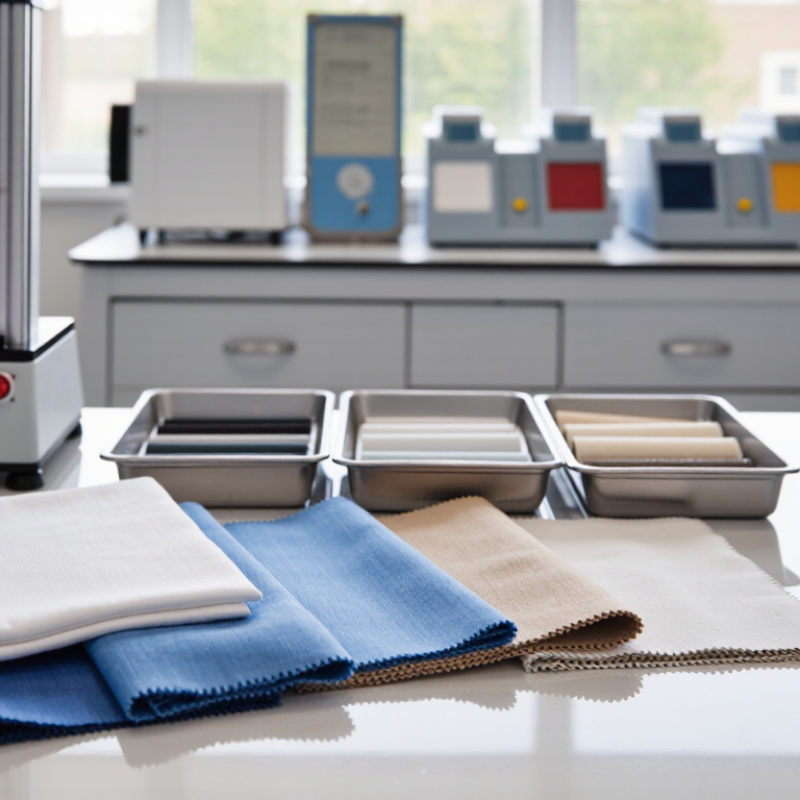
Wool and wool blends need special care. Mild softening agents can reduce fiber friction and support a smoother surface. Strong alkaline conditions may damage the fiber scale. Blended fabrics create another challenge because cotton and polyester may react differently. In practical mill trials, buyers should compare whiteness, shade change, hand feel, washing durability, and formaldehyde compliance. Small swatches are useful. They are not enough alone. Production-scale trials can reveal foaming, uneven padding, or curing problems. A Chinese supplier should provide technical data, safety documentation, recommended dosage, and batch consistency records. No agent is perfect. The most reliable choice is the one that performs steadily on the intended fabric, not merely the one with the strongest initial effect.
Choosing the Best Chinese Supplier for Your Needs
Choosing the Best Chinese Supplier for Your Needs
The best textile finishing agent is not always the cheapest option. Supplier selection should begin with your fabric, machinery, and final performance target. A softener for cotton may fail on polyester blends. Ask for a technical data sheet, safety data sheet, recommended dosage, and storage conditions. Request samples from the same production batch when possible. Small details matter.
Industry data supports a careful approach. Textile Exchange’s Materials Market Report 2024 recorded global fiber production at about 124 million tonnes in 2023. It projects production could reach 160 million tonnes by 2030. This growth increases pressure on mills to reduce waste, water use, and reprocessing. A capable Chinese supplier should explain compatibility with low-temperature curing, water-saving processes, and recycled fibers. Claims need test evidence, not attractive wording.
Use a practical supplier scorecard. Review laboratory data, batch stability, lead time, export experience, and restricted-substance controls. Independent testing should confirm color fastness, handle, absorbency, and durability after washing. The International Textile Machinery Federation’s 2024 industry survey also shows continuing pressure for efficiency and investment control. Price still matters, but unstable quality can cost more through rejected rolls and delayed shipments. No scorecard is perfect. I would still run a factory trial before signing a large contract. Freshly finished fabric can feel impressive, yet performance may weaken after repeated laundering. Ask for that evidence.