Colourinn Industries – Textile & Dyes Auxiliaries Manufacturer & Exporter

Blog

  1. Home
  2. /
  3. Blog

2026 Best Textile Auxiliary Chemicals for Global Procurement?

In the textile industry, the importance of textile auxiliary chemicals cannot be overstated. These chemicals play a vital role in enhancing the quality and durability of fabrics. According to a report by Smithers Pira, the global market for textile chemicals is projected to reach $28.3 billion by 2026. This growth is driven by the increasing demand for functional textiles in apparel, home furnishings, and technical applications.

However, the selection of textile auxiliary chemicals raises several challenges. The market is flooded with options, making it difficult for manufacturers to identify the best products. A study published by ResearchAndMarkets highlights that improper use of these chemicals can lead to quality issues and environmental concerns. Companies must invest time in research to choose appropriate solutions that meet both performance and sustainability standards.

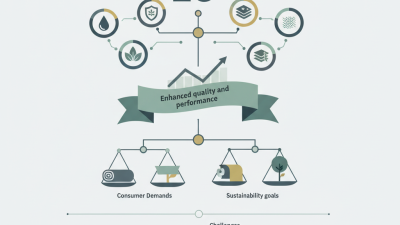
As the industry evolves, there is a pressing need for innovation in textile auxiliary chemicals. Manufacturers must balance performance with eco-friendliness. With stricter regulations on chemical use emerging globally, finding compliant materials is essential. Evaluating suppliers based on their sustainability practices is increasingly important. Ultimately, making informed choices about textile auxiliary chemicals is crucial for success in this competitive landscape.
2026 Best Textile Auxiliary Chemicals for Global Procurement?

Overview of Textile Auxiliary Chemicals in Global Sourcing

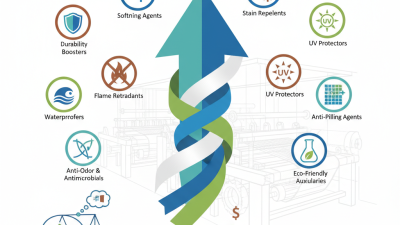
In the realm of global sourcing, textile auxiliary chemicals play a crucial role. These chemicals enhance fabric properties, improve production processes, and ensure sustainable practices. Their variety includes softeners, anti-static agents, and colorants, each serving a specific function in textile manufacturing.

Understanding the nuances of sourcing these chemicals is critical. Each region may have different regulations and standards. Suppliers vary in reliability and expertise. This can complicate procurement, as not all suppliers disclose product origins or safety data. Therefore, careful evaluation is necessary. Brand integrity often hinges on quality inputs, so transparency in the supply chain is essential.

Cost is another factor to consider. Lower prices can sometimes lead to inferior quality. Balancing cost-effectiveness with quality can be challenging. Engaging with suppliers that demonstrate best practices is vital. However, not all suppliers are equal. They may not adhere to environmental and safety standards consistently. Continuous learning and adaptation within this sector are essential for success.

Key Factors Influencing the Selection of Textile Auxiliary Chemicals

Selecting the right textile auxiliary chemicals is crucial for manufacturers. Various factors play a key role in making the right choice. Quality standards should be a top priority. High-quality chemicals enhance the final product’s durability and performance. Cost-effectiveness is another important consideration. Budget constraints must align with the desired performance and quality.

Environmental impact cannot be overlooked. Eco-friendly chemicals are gaining traction. They not only comply with regulations but also promote sustainability in the industry. Manufacturers must assess their suppliers. Reliability and expertise are critical. Building long-term relationships enhances trust and ensures consistency in product delivery.

For those in the procurement process, always conduct thorough research on potential suppliers. Look for certifications that showcase their commitment to quality and safety. Regularly engage with industry professionals to stay updated on market trends and innovations. Testing samples before full-scale implementation can help in identifying the most effective options. This hands-on approach allows for better decision-making in a complex market.

Top Textile Auxiliary Chemicals for Various Fabrics and Applications

The textile industry continuously evolves, requiring advanced auxiliary chemicals for various applications. These chemicals play a crucial role in enhancing the functionality of fabrics. According to a report from the Textile World, nearly 30% of production costs are related to these auxiliary materials. This highlights their significance not only for performance but also for economic efficiency.

For instance, surfactants are essential for fabric treatment processes. They can improve wetting, spreading, and penetration, which are vital for dyeing and finishing. Recent data suggests that demand for surfactants in textiles will grow by 5% annually in the next five years. This creates opportunities for manufacturers to innovate and optimize their formulations.

While there are promising trends, challenges persist. Finding eco-friendly alternatives remains a pressing concern. Consumers increasingly demand sustainable options. A recent market analysis indicated that 40% of textile manufacturers are exploring greener chemical solutions. This shift indicates a potential gap between current practices and future needs. The industry must address these issues to remain competitive.

Sustainability Trends in Textile Auxiliary Chemicals for 2026

The textile industry faces increasing pressure to adopt sustainable practices. In 2026, awareness of sustainability trends in auxiliary chemicals will shape procurement worldwide. Consumers demand transparency regarding fabric treatments, dyes, and finishes. Manufacturers are urged to innovate while minimizing environmental impacts. The focus will shift towards biodegradable chemicals and water-based solutions.

Collaboration between businesses and researchers is crucial. This relationship can drive the development of eco-friendly solutions that meet market demands. While many companies make claims about sustainability, verifying these claims requires thorough scrutiny. The challenge lies not only in sourcing sustainable materials but also in ensuring their effectiveness. Some emerging options may lack performance reliability, necessitating further investigation.

Another concern involves the lifecycle of these chemicals. Understanding the impact from production to disposal remains complex. Some alternatives may present new risks during synthesis or application phases. Continuous refinement and testing are needed to address these gaps. Stakeholders must prioritize responsible sourcing and invest in research to create a truly sustainable framework for textile auxiliary chemicals.

Leading Suppliers and Market Trends in Textile Auxiliary Chemicals

The textile auxiliary chemicals market is evolving rapidly, driven by sustainability demands and innovation. According to a recent report by Market Research Future, the global textile chemicals market is projected to reach $30 billion by 2026, growing at a CAGR of 3.2%. This growth reflects increasing investments in eco-friendly solutions that textile manufacturers favor.

A key trend is the rise of suppliers focusing on sustainable practices. Many are developing biodegradable products that align with global sustainability goals. Furthermore, the demand for multifunctional chemicals is on the rise. It helps manufacturers reduce costs and enhance efficiency. For instance, combined products like anti-wrinkle and moisture-wicking treatments are becoming increasingly popular.

Consider adopting a flexible sourcing strategy. It allows companies to respond swiftly to market changes. Regularly assess supplier performance to ensure quality and reliability. Engaging with vendors who prioritize sustainability can further enhance brand reputation. Look for suppliers who invest in research and development. Their innovations can provide a competitive edge in this dynamic market.

2026 Global Textile Auxiliary Chemicals Procurement Trends