Colourinn Industries – Textile & Dyes Auxiliaries Manufacturer & Exporter

Blog

  1. Home
  2. /
  3. Blog

How is the dyeing textile process optimizing sustainable production?

The dyeing textile process is critical for sustainable production in the fashion industry. Dr. Emily Carter, an expert in sustainable textiles, emphasizes, “Innovation in dyeing techniques can greatly reduce environmental impact.” This statement highlights the need for change in traditional practices.

Sustainability is not merely a trend; it is a necessity. The dyeing textile process often relies on water and chemical-intensive methods. Many companies are now exploring alternatives, such as natural dyes and waterless technologies. Success in these areas can lead to significant reductions in pollution and resource waste. However, challenges remain. Not all textile materials can easily adapt to these new techniques, and industry-wide changes require time and investment.

Reflecting on these advancements is essential. As we celebrate innovations, we must also address the imperfections in current practices. Transitioning to greener dyeing processes involves overcoming resistance and understanding the economic implications for many businesses. The dyeing textile process has the potential to lead the way in sustainable production, but the journey is fraught with complexities that require ongoing reflection and action.

How is the dyeing textile process optimizing sustainable production?

Overview of the Textile Dyeing Process and Its Environmental Impact

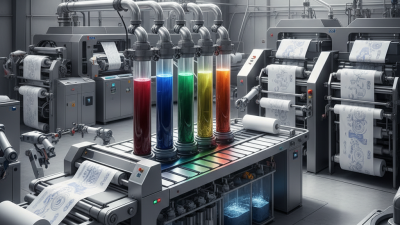
The textile dyeing process is crucial to producing colorful fabrics, but it significantly impacts the environment. Traditional dyeing methods often use vast amounts of water and toxic chemicals. This leads to water pollution that harms aquatic life and local communities. Sustainable practices aim to reduce water usage and replace harmful dyes with eco-friendly options.

Implementing waterless dyeing technology is one way to combat the issue. It utilizes methods like digital and supercritical CO2 dyeing. These techniques drastically cut water consumption while maintaining color quality. Moreover, the use of plant-based dyes can minimize chemical waste. Research suggests they are safer for the environment and health.

Tip: When choosing textiles, look for those made with sustainable dyes. Check for certifications that indicate eco-friendly practices. Even small decisions can lead to a bigger impact on our planet. The journey towards sustainability in dyeing requires constant learning and improvement.
Key Innovations in Sustainable Dyeing Techniques and Technologies

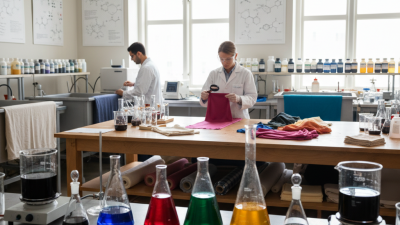
The textile dyeing process is evolving rapidly. New technologies focus on reducing water and energy consumption. Traditional methods often waste resources. However, innovations in dyeing techniques are reshaping the landscape.

One key advancement is digital printing. This method uses less water and generates minimal waste. It allows for precise designs and quicker turnaround times. Another innovative technique is the use of natural dyes. Derived from plants, these dyes are less harmful. They offer a biodegradable alternative to synthetic dyes.

Despite these advancements, challenges remain. Many facilities lack the infrastructure to implement new technologies. Others may struggle with scaling sustainable practices. There’s a need for continued research and collaboration. The industry must address these barriers to ensure true sustainability. Balancing innovation with practicality is essential for future progress.

How is the dyeing textile process optimizing sustainable production? - Key Innovations in Sustainable Dyeing Techniques and Technologies

Technique/Technology Description Sustainability Benefits Water Savings Chemical Reduction
Digital Printing Utilizes digital technology to apply dyes directly onto textiles. Reduces waste by using only the required amount of dye. Up to 90% less water compared to traditional dyeing. Minimizes harmful chemical usage.
Eco-Friendly Dyes Natural dyes derived from plants or minerals. Biodegradable and non-toxic options. Varies; generally less than synthetic dyes. Typically contains fewer synthetic chemicals.
Waterless Dyeing Uses supercritical CO2 to dye fabrics without water. Completely eliminates water usage in the dyeing process. None needed. Significantly reduces toxic waste.
Recycling & Upcycling Processing old textiles to create new materials. Decreases the demand for virgin materials. Less water used in processing recycled materials. Fewer chemicals used compared to traditional production.
Low-Impact Dyes Dyes that require less energy and water to process. Lower ecological footprint than conventional dyes. Reduces water usage by 30-50%. Uses fewer harmful substances.

Water and Energy Efficiency in Modern Dyeing Operations

The modern dyeing process emphasizes water and energy efficiency. Industries are innovating to reduce their environmental impact while enhancing production quality. Traditional dyeing methods consume large amounts of water. However, recent technologies minimize water use significantly. For instance, using closed-loop systems can recycle water for multiple dye batches, conserving resources.

Energy-efficient machinery is also transforming dyeing operations. New equipment is designed to operate with less energy, decreasing fossil fuel dependency. Some machines use alternative energy sources, like solar power. This shift not only cuts costs but also lessens carbon footprints. However, full transition takes careful planning and investment.

Tips for optimizing your dyeing operations include assessing current water usage regularly. Evaluate machines for energy efficiency and consider retrofitting older systems. Training staff on sustainable practices is crucial, as human behavior can impact operational efficiency. Remember, even small changes can lead to significant environmental benefits.

Use of Natural and Eco-Friendly Dyes in Textile Production

How is the dyeing textile process optimizing sustainable production?

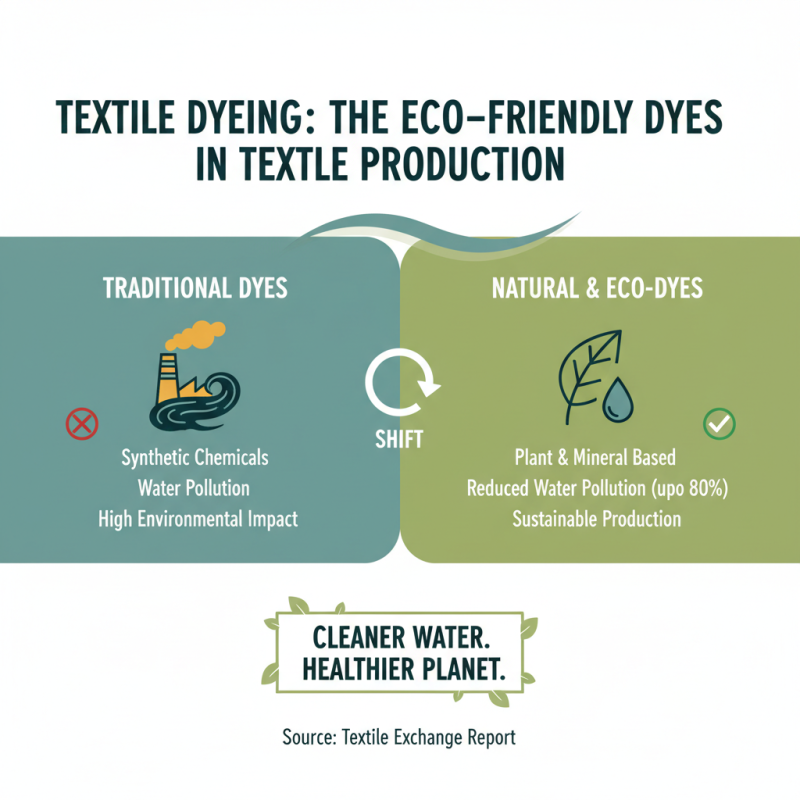
The textile industry faces significant environmental challenges. The traditional dyeing process heavily relies on synthetic dyes, which can pollute water sources. In contrast, the use of natural and eco-friendly dyes presents an alternative. These dyes are derived from plants, minerals, and other organic materials. According to a report by the Textile Exchange, the use of eco-friendly dyes can reduce water pollution by up to 80%. This shift benefits both manufacturers and the environment.

Natural dyes also support sustainable production. They often require fewer resources and are biodegradable. Studies show that using eco-friendly dyes can reduce carbon emissions in textile production by up to 30%. However, the transition to natural dyes is not without challenges. They can be less predictable in color consistency. Therefore, textile producers need to invest time in research and development. Finding the right natural dye for the desired hue can be a meticulous process.

Moreover, the availability of some natural dyes can limit scalability. Not all manufacturers have easy access to these resources. This lack can slow the industry's shift toward sustainability. While natural dyes present a promising path, the industry must address these hurdles. The future depends on innovation and collaboration to standardize practices for better outcomes.

Lifecycle Analysis of Sustainable Dyeing Practices in Textile Industry

How is the dyeing textile process optimizing sustainable production?

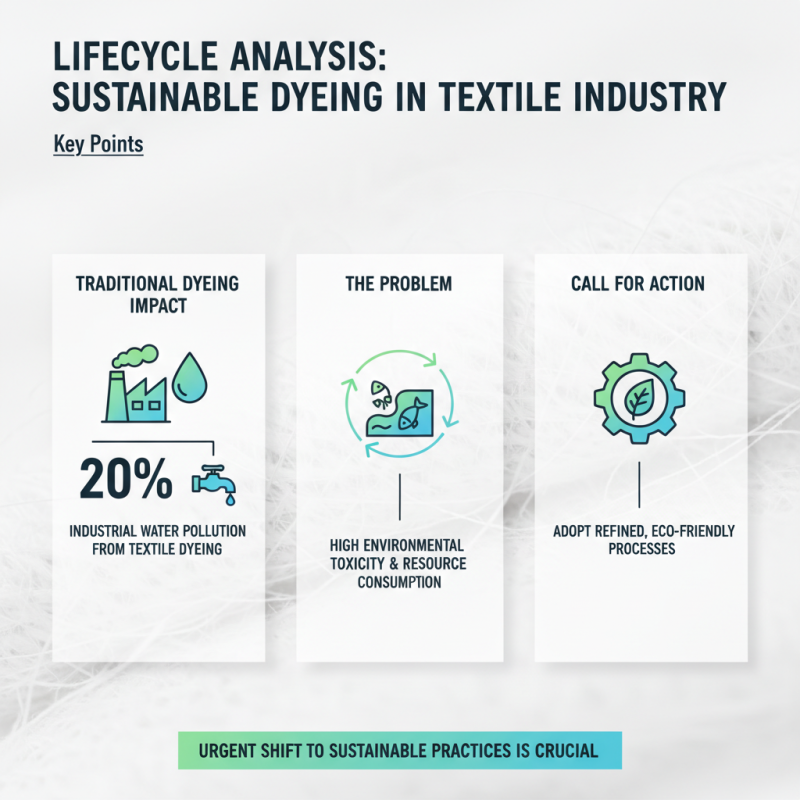
The textile industry is increasingly focusing on sustainable dyeing practices. A recent lifecycle analysis highlighted the environmental impact of traditional dyeing methods. Around 20% of industrial water pollution comes from textile dyeing. This shocking figure calls for urgent action to refine processes.

Innovative dyeing techniques, like digital printing and natural dyes, show promise. Digital technology reduces water usage by up to 90%. Moreover, natural dyes come from renewable resources, which can minimize waste. However, reliance on such methods may not be sufficient. Limited availability of certain natural sources raises concerns about consistency and scalability.

Industry reports also indicate that over 70% of consumers prefer eco-friendly choices. This strong demand pushes manufacturers to adopt better practices. Still, many are hesitant due to perceived costs. Transitioning to sustainable methods requires investment and training. The path to true sustainability is complex and needs more than just technology.