China Top 10 Textile Printing Chemicals List for Buyers
China’s textile printing sector is moving toward faster production, cleaner processes, and more consistent color performance. Buyers therefore need more than a basic supplier list. They need chemical knowledge, application evidence, and dependable documentation.
Smithers’ report, The Future of Digital Textile Printing to 2028, identifies digital textile printing as a continuing growth area. Its analysis highlights demand for shorter runs, customized designs, and reduced material waste. These trends increase the importance of pretreatment agents, digital inks, binders, softeners, fixing agents, and washing auxiliaries. Each chemical affects print sharpness, fabric handle, color fastness, and production stability.
China remains an important manufacturing base for textile chemicals and printed fabrics. Industry reports from Grand View Research and IMARC Group also describe Asia-Pacific as the leading regional market for textile chemicals. However, market estimates differ because companies classify products differently. That matters.
This China textile printing chemicals list focuses on practical buying decisions. It considers chemical function, fabric compatibility, printing method, technical support, and quality control. Buyers should review safety data sheets, technical data sheets, batch consistency, and applicable environmental certifications before placing large orders. Small laboratory trials can reveal problems that brochures hide, including uneven penetration, stiff fabric, blocked printheads, or weak washing fastness.
Experience still matters. A chemical that performs well on cotton may fail on polyester or blended fabric. Supplier claims are useful, but testing is stronger evidence. Some market information remains self-reported, so readers should verify production capacity and export records independently. This list is a starting point, not a permanent ranking. The best choice depends on equipment, fabric, ink system, finishing target, and local compliance requirements.
China’s Textile Printing Chemicals Market: Scope and Buyer Context
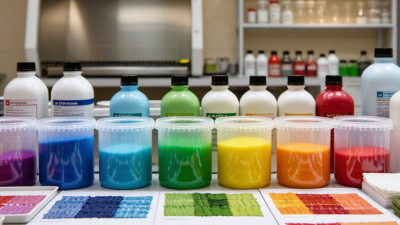
China’s textile printing chemicals market covers a wide range of products for cotton, polyester, wool, nylon, and blended fabrics. Common categories include reactive dyes, disperse dyes, pigment binders, acid dyes, direct dyes, thickeners, fixing agents, softeners, defoamers, and washing auxiliaries. Each category serves a different printing process and fabric requirement. A chemical suitable for cotton may perform poorly on polyester.
Buyers should examine more than price. Important details include solids content, viscosity, pH range, color yield, storage stability, odor, and wastewater performance. Technical data sheets and safety documents should be available before purchasing. Small laboratory trials can reveal bleeding, uneven penetration, stiff hand feel, or weak wash fastness. These problems often appear after curing, not during initial printing.
Supplier evaluation also requires practical questions. Can the producer provide batch samples? Is quality consistent between shipments? Are production records and testing methods clearly explained? Export packaging, labeling, and transport conditions need careful checking. Local and destination-market chemical regulations may differ. Do not assume a familiar product name guarantees equal performance. In real sourcing, specifications are sometimes incomplete, and buyers may overlook fabric pretreatment or machine settings. That is a weakness worth correcting. A reliable purchasing decision combines factory communication, independent testing, and realistic production trials. Small details matter.
Core Chemical Categories Used in Textile Printing
Textile printing depends on a balanced chemical system, not one powerful ingredient. Buyers commonly evaluate ten core categories: pretreatment auxiliaries, wetting agents, sequestering agents, thickeners, dyes, pigments, binders, dispersing agents, fixing agents, and washing agents. Each category supports a different stage, from fabric preparation to color development and after-washing.
Pretreatment auxiliaries remove oils and improve absorbency. Wetting agents help print paste spread across tightly woven fabric. Sequestering agents control metal ions that can disturb shade consistency.
Thickeners provide the paste with suitable viscosity and edge definition. Reactive, acid, disperse, and other dye systems must match the fiber type. Pigments need binders to attach color to the surface.
Dispersing agents reduce agglomeration during mixing. Fixing agents improve color durability after printing, while washing agents remove unfixed residues.
Practical testing matters more than a supplier’s data sheet.
Check viscosity after storage, color yield, rubbing fastness, washing fastness, and compatibility with existing equipment. Keep laboratory conditions close to production conditions. Small temperature changes can alter results.
A softer hand feel may reduce print sharpness, and stronger fixation may increase fabric stiffness. There is no perfect formula.
Buyers should record these compromises and adjust dosage through controlled trials. A clear safety data sheet, consistent batch quality, and traceable technical support also deserve attention.
Even a reliable formula can fail when water hardness, fabric moisture, or drying time changes.
Top 10 Textile Printing Chemicals Made in China
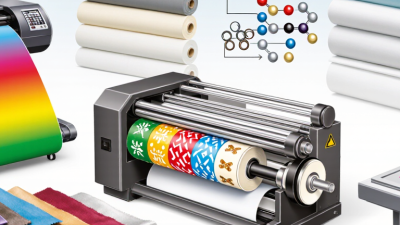
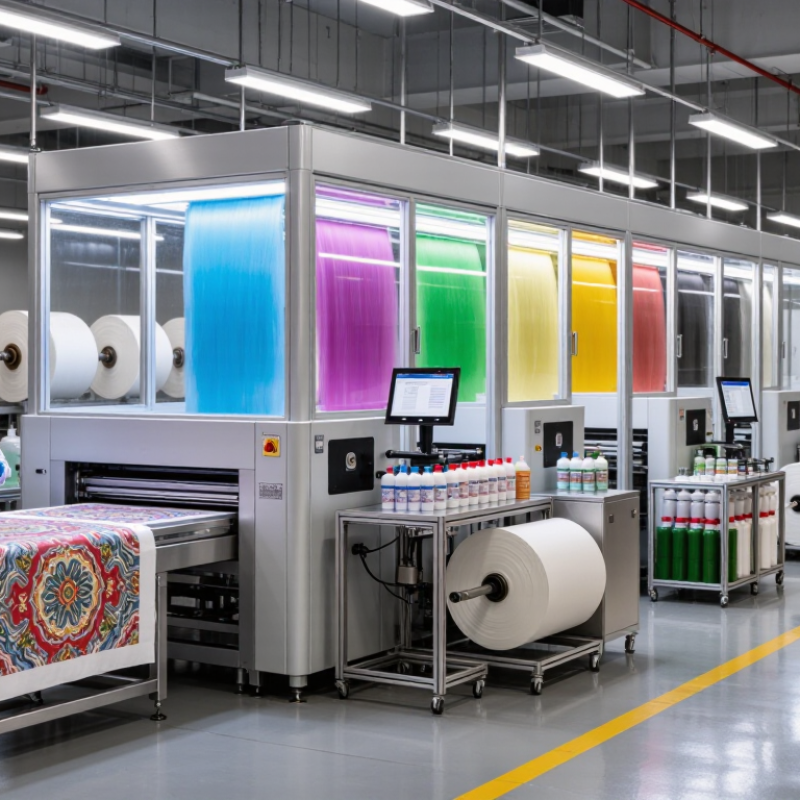
China’s textile printing chemicals sector serves cotton, polyester, nylon, and blended fabrics. The main ten categories made in China include reactive dyes, acid dyes, disperse dyes, pigment colorants, sublimation dyes, digital textile inks, thickeners, binders, fixing agents, and softeners. These materials support rotary, flat-screen, transfer, and inkjet printing.
Grand View Research estimated the global textile chemicals market at about USD 27.5 billion in 2023, with continued growth expected through 2030. This wider market includes printing, dyeing, finishing, and pretreatment chemicals. China remains important because its textile supply chain combines chemical production, fabric mills, printing houses, and testing laboratories. The China National Bureau of Statistics also continues to report substantial output from the country’s textile manufacturing sector. Scale matters, but it does not guarantee consistent quality.
Experienced buyers should request a technical data sheet, safety data sheet, batch certificate, viscosity range, pH value, and wash-fastness results. For digital inks, nozzle stability and storage life deserve close attention. For pigment systems, binder flexibility can determine whether printed fabric cracks after washing.
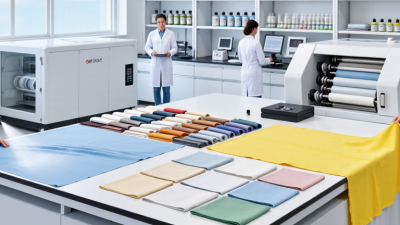
Laboratory trials should use the buyer’s actual fabric, machine, curing temperature, and washing method. The list is practical, not perfect. Some suppliers describe similar products differently, which can confuse purchasing teams. Independent testing remains necessary. Environmental performance also needs verification, including restricted-substance screening and wastewater compatibility. Claims without test conditions should be treated carefully.
How Buyers Can Compare Quality, Safety, and Performance
China Top 10 Textile Printing Chemicals List for Buyers
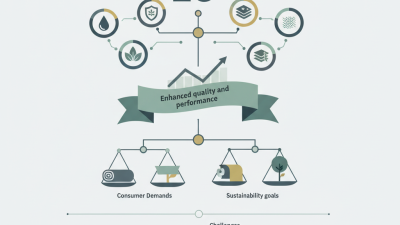
When comparing textile printing chemicals, buyers should examine quality, safety, and performance together. A bright sample proves little by itself. Request a certificate of analysis, safety data sheet, batch number, and recommended storage conditions. Check viscosity, pH, color strength, particle size, and consistency across several batches. For printed fabrics, test wash fastness, dry and wet rubbing fastness, adhesion, hand feel, and color migration. Use the same fabric, screen, curing temperature, and drying time during trials. Small process changes can create misleading results.
Tips: Keep a test record. Photograph defects. Ask for corrective data.
Safety should be judged beyond basic documentation. Review restricted-substance test reports from competent laboratories, especially for formaldehyde, heavy metals, aromatic amines, and harmful solvents. Confirm whether the chemical creates strong odor, excessive foam, dust, or wastewater concerns during normal use. Suppliers should explain emergency handling and worker protection clearly. Performance also includes production stability. A chemical that prints well today but blocks screens tomorrow is not a reliable choice. I have found that buyers sometimes trust one successful trial too quickly. That is a weakness worth correcting. Repeat the test after storage and under real factory conditions. A lower purchase price may become expensive through rework, rejected rolls, or unstable shade matching.