What Are Textile Photos and How Are They Used?
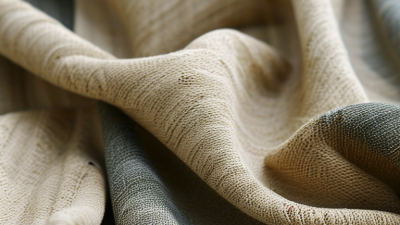
Textile photos turn woven surfaces into images people can inspect, compare, and share. They appear in online catalogs, design portfolios, fabric libraries, product listings, and conservation records. A close view can reveal a satin sheen, a linen slub, or the raised loops of terry cloth. A wider frame shows drape, pattern scale, and how a textile sits beside other materials. Small details matter.
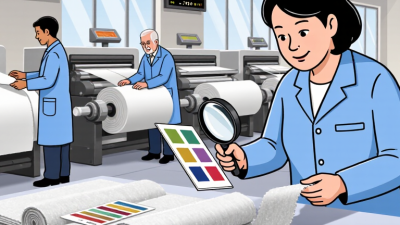
Photographer Ansel Adams famously said, “You don't take a photograph, you make it.” His words describe textile imaging well: lighting, lens choice, framing, and color decisions shape what viewers notice. For reliable results, photographers often use soft, even light, a stable camera, and a color reference card. They may capture both a full-width view and a macro detail, then record the fabric name, fiber content, and image conditions. Screens can still shift color. A photo is not the fabric. It cannot fully convey weight, softness, or the way a fold moves through the hand.
This guide explores what textile photos are, how teams create them, and where they are used. It also considers common mistakes, from glare on glossy yarns to misleading close-ups that hide pattern scale. No setup is perfect. Even careful images leave something out, so clear captions and honest representation matter as much as sharp focus. Readers will find practical ways to make textile photos useful, consistent, and trustworthy.
Textile Photos Defined: Photographic Images Printed or Transferred onto Fabric
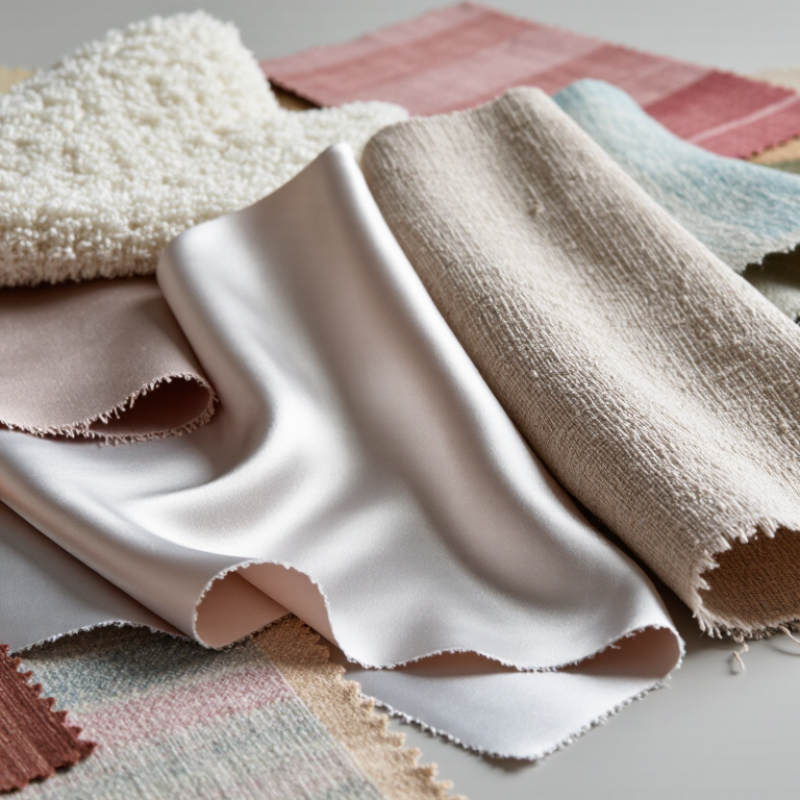
Textile photos are photographic images printed or transferred onto fabric. They turn a photograph into a flexible surface, rather than a framed picture. Depending on the process, ink may sit near the fibers or bond more deeply with them. The result can show fine detail, soft color shifts, and visible fabric texture. A close-up face on smooth cotton may look crisp; the same image on coarse linen can appear grainier. That difference matters.
People use textile photos for wall hangings, cushions, quilts, clothing panels, and memory pieces. They can bring a familiar scene into a room without glass or a rigid frame. For lasting results, image choice and fabric choice should work together. High-resolution photos usually preserve small details better, while strong contrast helps images remain readable across textured cloth. Color can change after printing, though, so a test swatch is useful. It may not match the screen perfectly.
Tips: Ask how the image will be printed or transferred, and check care instructions before washing. Keep important faces away from seams and folds. Try a small sample first. It takes extra time, but can reveal muted colors, stiffness, or an unexpected texture before the full piece is made.
How Textile Photos Are Produced: Dye Sublimation, Pigment, and Direct Printing
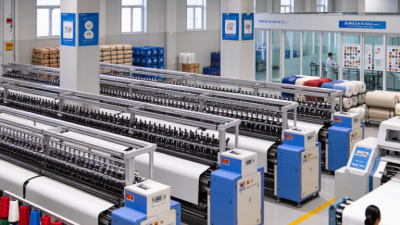
Textile photos turn photographs, illustrations, or patterns into images printed on fabric. The result depends on more than the file: fabric fiber, print method, and finishing all affect color and feel. Dye sublimation uses heat to move disperse dye into polyester fibers. It can produce bright, detailed images that feel smooth because the color becomes part of the fiber. It is less suitable for natural fabrics such as cotton.
Pigment printing applies color to the fabric surface with a binder, then uses heat to set it. It works across many fiber types and can be useful for short runs or varied materials. The surface may feel slightly stiffer, especially in heavily printed areas.
Direct printing describes applying ink onto fabric, often with an inkjet printer; the ink chemistry can vary. It may require pre-treatment and careful curing. The names can overlap, which is confusing.
Tips: Check the fabric label before choosing a method. Ask for a small sample, and examine it in daylight. Rub and gently wash it. Look closely at fine lines and dark areas. Results can shift between fabric batches, so a sample is not a perfect promise. I would still test the actual fabric whenever color accuracy matters.
Choosing a Textile Photo Fabric: Polyester, Cotton, and Blended Materials
Choosing a textile photo fabric starts with the image and its setting. Polyester usually holds saturated colors well and dries quickly, making it practical for banners, backdrops, and frequently handled displays. Cotton offers a softer, more natural texture, but its surface can make fine details look less crisp. Coatings, weave, and printer compatibility matter as much as fiber content.
Scale is part of the decision. Textile Exchange’s Materials Market Report 2024 estimates that polyester made up 57% of global fiber production in 2023, while cotton accounted for about 19%. These figures describe supply, not print quality. Blends can combine polyester’s durability with cotton’s hand feel, though results vary: a 50/50 fabric may show uneven color or shrink differently after washing. There is no perfect substrate. Test a small printed swatch under the actual lighting; a photo that looks rich on screen may appear muted on cloth.
Tips: Check the fabric’s print coating and care instructions before ordering. Compare a close-up portrait and a flat color on the same swatch. Feel it, too. That step is easy to skip.
Where Textile Photos Are Used: Apparel, Home Décor, Displays, and Gifts
Textile photos are photographic images printed onto fabric for clothing, interiors, displays, and keepsakes. On apparel, they can turn a T-shirt, scarf, or jacket panel into a wearable image. Placement matters: a face across a seam may look awkward, while a small repeated motif can sit neatly on a pocket. Grand View Research estimated the global digital textile printing market at USD 2.7 billion in 2023, reflecting growing use of digitally printed fabrics. That figure covers the wider printing market, not photo prints alone.
At home, textile photos appear on cushion covers, curtains, throws, and fabric wall art. A close-up landscape can soften a plain room, though colors may look different under warm lamps. Retailers and event teams use printed fabric backdrops and banners because they are lightweight and easy to fold. Photo-printed cushions, totes, or tea towels also make personal gifts. Still, fabric texture can blur fine details. Small details matter.
Tips: Choose images with clear subjects and enough resolution for the final print size. Ask for a fabric sample, then check color, texture, and wash performance. Test before scaling. A screen preview is useful, but it cannot fully predict how ink will behave on cloth.
What Are Textile Photos and How Are They Used?
Textile photos are images printed onto fabric for products and visual displays. Common uses range from clothing and home furnishings to event graphics and personalized gifts.
Counts show the example product types listed for each category, not sales, popularity, or market share.
How Durability Is Tested: ISO 105-C06 Washing, X12 Rubbing, and B02 Light Fastness
What Are Textile Photos and How Are They Used?
How Durability Is Tested: ISO 105-C06 Washing, X12 Rubbing, and B02 Light Fastness
Textile photos are images reproduced on fabric for apparel, interiors, displays, and other applications. Their appearance can change through washing, handling, or sunlight. Durability testing helps show which stresses a printed textile can withstand. It does not guarantee identical results in every home or setting.
ISO 105-C06 evaluates color fastness during washing, using controlled conditions and adjacent fabric to check color transfer. Results commonly use gray scales rated from 1 to 5, with higher scores indicating less change or staining.
ISO 105-X12 measures rubbing transfer with a crockmeter and dry or damp rubbing cloth. That small damp cloth matters: moisture can increase dye transfer.
ISO 105-B02 exposes samples to artificial light from a xenon-arc source and compares fading against blue wool references rated from 1 to 8. These scales are not interchangeable. A score alone can hide differences in fabric, ink, and exposure.
ISO 105-C06:2010, ISO 105-X12:2016, and ISO 105-B02:2014 define the test methods; they do not set one universal pass mark for every use. A sample may perform well in one test and poorly in another.
Test the actual fabric and intended care conditions.