How to Find Reliable Textile Industry Suppliers?
Finding reliable suppliers is one of the most practical challenges in the textile industry. A polished website proves very little. Real confidence comes from checking production evidence, communication habits, and consistency over time.
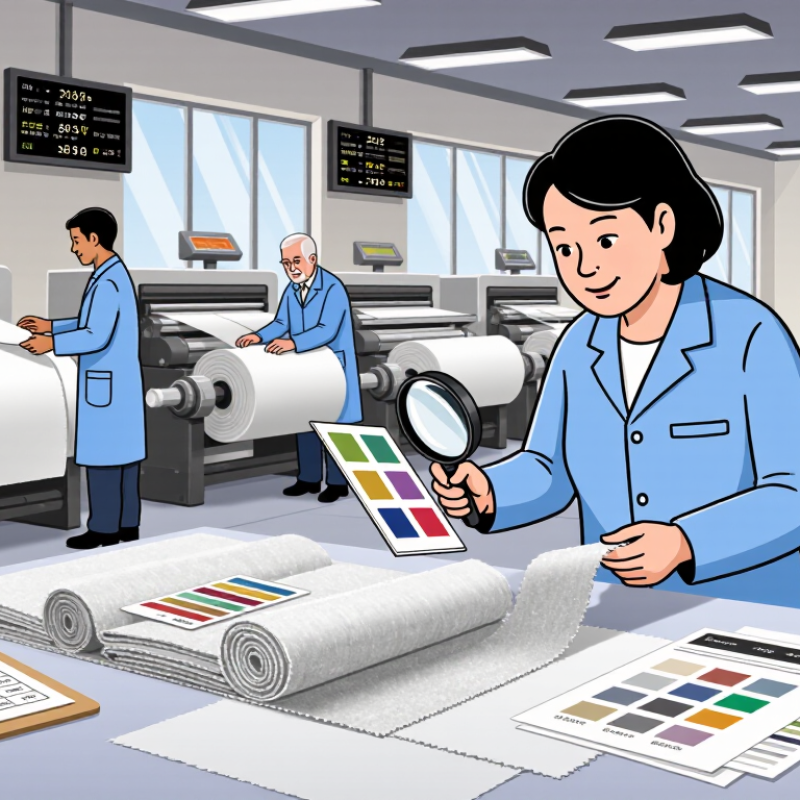
Kate Fletcher, a respected textile sustainability researcher, said, “Sustainability is not about doing less harm. It’s about doing more good.” Her words also apply to supplier selection. A dependable partner should provide clear fiber content, accurate GSM measurements, colorfastness results, and traceable production information. Ask for recent samples, not only catalog photographs. Examine the fabric under natural light. Check the selvedge, stitching, shrinkage, and surface defects. Small details reveal large problems.
Visit the factory when possible. Watch how workers record fabric lots and control moisture, dyeing, and finishing. Request references from buyers with similar order volumes. Review minimum order quantities, payment terms, lead times, and complaint procedures before signing anything. Certifications can help, but they are not automatic proof of daily performance. Verify their scope and issuing organization.
Trust grows slowly.
A useful supplier may admit a delayed shipment or failed test instead of hiding it. That honesty matters. I have seen sourcing decisions focus too heavily on price, while rework, missed launches, and inconsistent shades created higher costs later. Still, no checklist is perfect. A small supplier may lack polished systems yet deliver excellent fabric. A large mill may offer certificates but respond poorly when problems appear. Reliable sourcing requires evidence, repeated communication, and thoughtful judgment. This guide explains how to compare textile industry suppliers without confusing impressive promises with dependable performance.
Define Your Textile Sourcing Requirements
How to Find Reliable Textile Industry Suppliers?
Define Your Textile Sourcing Requirements
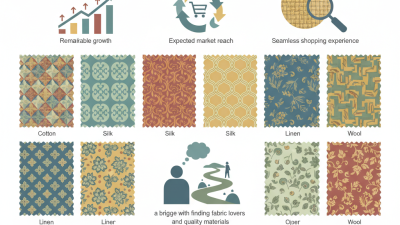
Reliable textile sourcing starts with a precise requirement, not a broad request for “good quality.” Define the product before contacting suppliers. Record fiber content, yarn count, fabric construction, GSM, usable width, finish, color standard, and tolerance limits. State the intended market and end use, such as children’s sleepwear or hotel bedding. These details affect testing, safety, durability, and cost. Textile Exchange’s Materials Market Report 2024 estimates 124 million tonnes of global fiber production in 2023. It projects 160 million tonnes by 2030. This growth makes material transparency harder, not optional.
Turn requirements into measurable acceptance criteria. Specify shrinkage after washing, pilling grade, colorfastness, seam slippage, moisture performance, and acceptable defect points. Ask for a pre-production sample, a lot sample, and an independent test report. Match each test to the fabric’s actual use. ISO methods can support consistency, but a standard alone cannot guarantee a suitable fabric. Include commercial limits, including minimum order quantity, sample timing, production lead time, packaging, inspection points, and delivery tolerance. Leave no critical item in a chat message.
Reliability also depends on traceability. Request the mill’s legal entity, production address, subcontracting policy, batch records, and corrective-action history. The OECD garment and footwear due-diligence guidance supports risk-based supplier assessment, rather than simple declarations. A checklist can still miss a weak dyeing process. That uncomfortable gap is why pilot orders and physical inspections matter. Keep room for uncertainty, because early specifications are rarely perfect.
Identify Potential Textile Industry Suppliers
Identify Potential Textile Industry Suppliers
Reliable textile sourcing begins with a broad, evidence-based supplier list.
Textile Exchange reported that global fiber production reached about
124 million tonnes in 2023.
This scale creates choice, but also hides uneven quality. Search manufacturers through trade directories, industry associations, exhibitions, and verified production records. Then compare their product range, monthly capacity, export experience, and minimum order quantities. Ask for recent test reports, factory addresses, and production photographs. Details matter.
A practical screening sheet should track
fiber composition, fabric weight, shrinkage, colorfastness, lead time, and payment terms.
Request identical samples from several suppliers. Test them under the same conditions. The International Textile Machinery Federation’s 2024 industry survey showed continued pressure from weak demand and uncertain investment. That pressure can affect delivery promises. A supplier offering an unusually low price may be reducing inspection, labor, or material quality. It deserves closer questioning, not immediate approval.
Check whether certificates match the actual facility and product scope. Review audit dates, corrective actions, subcontracting policies, and traceability documents. Textile Exchange’s Materials Market Report 2024 also shows growing demand for recycled and preferred fibers, making
chain-of-custody evidence increasingly important.
Speak with two recent customers when possible. Confirm whether delays were resolved professionally. One overlooked issue is communication speed. A polished sample means little if revisions become confusing. My own screening preference is cautious: approve a smaller trial order first, measure defects and delivery accuracy, then reconsider the supplier ranking. Suppliers can improve, but assumptions should not.
Verify Supplier Experience, Capacity, and Certifications
Reliable textile suppliers should be evaluated through evidence, not polished presentations. Ask how many years they have served your product category. Request recent production examples, not only showroom samples. A supplier experienced in woven fabric may still struggle with knitted garments. Their machinery, workforce, and quality team should match your requirements.
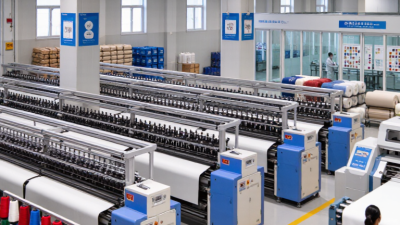
Capacity needs careful checking. Ask about monthly output, peak-season schedules, and current production commitments. During a factory visit, observe cutting tables, storage areas, inspection points, and shipment records. One useful lesson from supplier reviews is simple: stated capacity can look impressive until several buyers place orders together. Request a realistic production plan and identify backup arrangements. Then compare promised lead times with past delivery evidence.
Tips: Verify business registration, factory location, and certification numbers with the issuing organizations. Check whether certificates cover the actual facility and product category. Request a recent quality report, material test, and social compliance record. Speak with at least two previous customers when possible. Do not rely on one successful sample; test a small order first. I once treated a fast response as proof of reliability, but that judgment was too quick. Consistent communication, traceable documents, and honest answers matter more than impressive claims.
How to Find Reliable Textile Industry Suppliers?
Verify Supplier Experience, Capacity, and Certifications
This practical verification framework groups the core evidence buyers should request before selecting a textile supplier.
Experience can be checked through business registration, production history, and customer references. Capacity should be supported
by facility information, equipment details, staffing, and lead-time records. Certifications should be validated through the certificate,
scope, expiry date, issuing body, and applicable transaction or test documents. The figures show the number of recommended evidence checks,
not market averages or data from any specific company.
Compare Product Quality, Pricing, and Production Terms
Finding a reliable textile supplier requires more than checking a product catalogue. Request fabric samples, then inspect the weave, color consistency, weight, shrinkage, and stitching. Wash the sample twice. Some defects appear only after drying. Record your findings with photos and measurements, so comparisons remain objective.
Pricing needs equal attention. Compare quotations by material grade, packaging, shipping terms, and minimum order quantity. A lower unit price may hide expensive sampling fees or strict payment conditions. Ask for a detailed cost sheet. Clarify whether prices change with cotton, yarn, or dye costs. I have seen buyers focus too heavily on price and overlook uneven fabric rolls. That decision often becomes expensive later.
Production terms reveal a supplier’s real reliability. Confirm monthly capacity, sample approval procedures, lead time, inspection points, and replacement policies. Request a written timeline from purchase order to delivery. A responsible supplier should explain delays clearly, not promise everything immediately. Check whether production updates include photos, test reports, and packed-carton counts. Payment terms also deserve careful review; avoid rushing into large deposits before verification. A small trial order can expose weak communication, inconsistent quality, or unrealistic schedules. It is not perfect evidence, but it reduces the risk of a costly assumption.
Assess Communication, Risk, and Long-Term Reliability
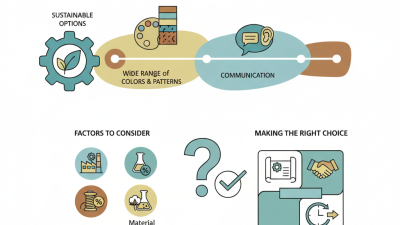
Reliable textile suppliers reveal themselves through communication, not polished presentations. Ask for a named contact, response-time commitments, and written answers about fabric composition, lead times, and production capacity. Request a small sample run. Compare the approved sample with the bulk shipment, including color, shrinkage, stitching, and packaging. Short replies create long delays.
Risk deserves measurable attention. McKinsey Global Institute reported that companies may face supply chain disruptions lasting one month or longer every 3.7 years. A supplier dependent on one mill, one port, or one raw-material region therefore needs a practical backup plan. Review production records, testing documents, worker-safety procedures, and corrective-action history. OECD guidance for garment and footwear supply chains also supports risk-based due diligence rather than relying on certificates alone. Certificates help, but they can become outdated.
Long-term reliability appears in ordinary details. Does the supplier report a late shipment before you ask? Can its factory explain a rejected batch without blaming the buyer? Textile Exchange reported global fiber production reached 124 million tonnes in 2023, showing how quickly material networks are expanding. That scale increases traceability pressure. I would score suppliers quarterly on response speed, defect rates, delivery accuracy, and corrective actions. My own weakness is overvaluing early cooperation; friendly communication cannot replace evidence. A factory may perform well during sampling, then struggle during peak season. Require a capacity review before every major order.