Colourinn Industries – Textile & Dyes Auxiliaries Manufacturer & Exporter

Blog

  1. Home
  2. /
  3. Blog

Top Textile Finishing Chemicals Suppliers 2026?

Choosing textile finishing chemicals suppliers in 2026 means looking beyond glossy claims and broad product catalogs. A finish may need to improve softness, water repellency, color fastness, or moisture management, while still meeting a mill’s process conditions. In practice, a coating that performs well on a sample can behave differently on a production line. Details matter: curing temperature, fabric construction, shade consistency, and wastewater treatment capacity.

The scale of the challenge is growing. Textile Exchange’s Materials Market Report 2024 estimates that global fiber production reached 124 million tonnes in 2023. It projects production could rise to 160 million tonnes by 2030 if current trends continue. That growth puts more attention on chemical efficiency, traceability, and measurable environmental performance. Buyers should ask suppliers for current technical data sheets, safety information, test methods, and evidence behind sustainability claims. Performance matters.

This guide examines leading suppliers through practical criteria, including product range, technical support, quality systems, and transparency. It also considers whether suppliers can support different fibers and finishing processes, rather than offering a one-size-fits-all solution. Industry reports provide useful context, but they do not verify every supplier claim or predict results at a specific mill. That gap deserves attention. A careful shortlist should be tested against real fabric, machinery, and local requirements before commercial adoption. Trade-offs remain.

Top Textile Finishing Chemicals Suppliers 2026?

What Textile Finishing Chemicals Are and How They Are Used

Textile finishing chemicals are substances used to adjust a fabric’s feel, appearance, or performance after weaving or knitting. They may help cotton feel softer, reduce creasing, improve water repellency, or give a surface a smoother finish. Common types include softeners, resins, water-repellent agents, and coatings. The right choice depends on the fiber, the intended use, and the processing method.

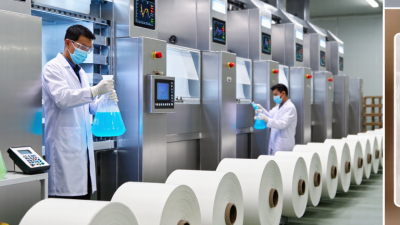
Their application happens in practical ways. A mill may immerse fabric in a finishing bath, then squeeze out excess liquid and dry it under controlled heat. Coatings can be applied to one side of a fabric, while some finishes are added during washing. The difference is visible. A treated towel may feel softer, while an outdoor jacket fabric may bead water. Results vary with concentration, temperature, and fabric construction, so a finish that works on one textile may disappoint on another.

Testing matters. A small swatch can reveal changes in color, hand feel, or durability before a full production run. Compatibility also deserves attention: some finishes can interfere with later dyeing or printing. It is tempting to treat finishing as a simple final step, but that overlooks trade-offs. A fabric can gain one useful property and lose some breathability or softness. Checking technical data and testing the actual fabric helps set realistic expectations.

Textile Finishing Chemicals: Typical Applications

Where common chemical classes are typically used in textile processing

A value of 1 indicates a common application, not an exclusive use. Enzymes may be used in preparation and bio-finishing, while softeners, crosslinking resins, water repellents, and flame retardants are commonly applied as functional finishes. This is an application overview, not a supplier ranking or market-share chart.

How to Evaluate Textile Finishing Chemical Suppliers in 2026

Top Textile Finishing Chemicals Suppliers 2026?

How to Evaluate Textile Finishing Chemical Suppliers in 2026

Evaluate suppliers by process fit, not catalog size. Ask for documented performance on your actual fiber, machine, and finishing conditions. A softener that works on cotton may behave differently on a polyester blend. Request current safety data sheets, batch traceability, and clear guidance on dosage, storage, and wastewater handling. Then run a controlled mill trial. Record hand feel, shade change, absorbency, and defects after washing. Small differences matter.

Textile Exchange’s Materials Market Report 2024 estimates global fiber production reached 124 million tonnes in 2023 and could rise to 160 million tonnes by 2030. That growth makes resource efficiency and reliable supply worth checking, not just marketing claims. Ask suppliers for evidence behind durability, energy, water, or chemical-use claims. Compare results under the same test method. A polished sample is not enough. Nor is a promise of consistency without lot-level records. Supplier data can still leave gaps; verify the critical points yourself.

Tips: Check technical response time before a production issue occurs. Ask for a sample COA and a written troubleshooting process. Keep one trial imperfect on purpose: real mills rarely run like a brochure.

Leading Suppliers and Their Textile Chemical Product Portfolios

Textile finishing chemical suppliers typically organize their portfolios around each stage of fabric processing. Pretreatment products may include wetting agents, detergents, and peroxide stabilizers. Dyeing support can involve leveling agents, pH-control products, and defoamers. Finishing ranges often cover softeners, crease-resistant treatments, and water-repellent options. The exact selection depends on fiber type, machinery, and the finish a mill needs.

A useful supplier offers more than a long product list. Technical data sheets, clear handling guidance, and application support help teams assess fit before production. Small details matter. A softener that works well on cotton may alter the feel or absorbency of a blended fabric. Trial runs can reveal uneven shade, excess foam, or changes after drying. These checks make comparisons more reliable than catalog descriptions alone.

Suppliers may also provide process advice, but mills should verify recommendations on their own equipment. Ask whether products are compatible with existing auxiliaries and intended finishing conditions. Review performance alongside wastewater considerations and the mill’s stated requirements. A catalog can look complete, yet leave practical questions unanswered. That gap is worth discussing before a product enters routine use.

Regional Availability, Sourcing, and Technical Support

Regional availability can determine whether a finishing line keeps running or waits for a delayed drum. Textile Exchange’s Materials Market Report 2024 estimates that global fiber production reached 124 million tonnes in 2023, with production potentially rising to 169 million tonnes by 2030. This scale increases demand for dependable chemical supply, but availability still varies by region. Check local stock, replenishment time, and whether the supplier can support your specific fiber blend and process.

Technical support matters as much as delivery. A useful supplier can help troubleshoot uneven hand feel, foaming, or shade variation using your actual water, fabric, and machinery conditions. Ask for a small-scale trial plan, dosage guidance, and clear product documentation before committing to a full production run. A nearby warehouse helps, but it does not guarantee fast technical answers. That distinction is easy to overlook.

Tips: Before sourcing, request a sample, a current technical data sheet, and a named support contact. Record trial settings, including bath temperature and fabric weight. Small details matter. Compare response time as well as price; a cheaper option may cost more if a line needs repeated adjustment.

Sustainability and Regulatory Trends in Textile Finishing Chemicals

Top Textile Finishing Chemicals Suppliers 2026?
Sustainability and Regulatory Trends in Textile Finishing Chemicals

Finishing chemistry is under closer scrutiny as mills work to reduce water, energy, and unwanted residues. In 2026, buyers are asking suppliers for clearer ingredient disclosures, test methods, and guidance on changing regional requirements. Requirements differ by market, so check a product’s claims against its intended use, destination, and current documentation. A data sheet alone may not answer every question.

Lower-temperature curing, concentrated formulations, and durable finishes can reduce resource use when they work reliably on the production line. Ask for trial results on your actual fabric, including wash durability and wastewater behavior. A finish that saves energy but fails after repeated laundering may create more rework and waste. Small steps matter. Sustainability data can also be incomplete, so treat supplier estimates as estimates unless independently verified.

Tips: Request current safety and regulatory documents, plus ingredient-level disclosure where available. Compare chemical use per kilogram of finished fabric, not just purchase price. Record dosage, curing temperature, defects, and wash results during a pilot. This makes supplier claims easier to question and improve.

Top Textile Finishing Chemicals Suppliers 2026? — Sustainability and Regulatory Trends in Textile Finishing Chemicals

A brand-neutral supplier evaluation table. It compares verifiable regulatory requirements and practical evidence buyers can request; it does not rank or make performance claims about individual suppliers.

Evaluation area Verified regulatory or industry context Evidence to request from a supplier Useful comparison measure 2026 buyer focus
Chemical substance compliance EU REACH requires communication in the supply chain for articles containing a Candidate List substance above 0.1% weight by weight, subject to the applicable REACH provisions. Current safety data sheets, composition or regulatory declarations, and a process for notifying customers when substance status changes. Percentage of relevant products with current, product-specific documentation; date of the latest review. Check formulations against applicable market restrictions and request timely updates when regulatory lists change.
Restricted-substance controls ZDHC’s Manufacturing Restricted Substances List (MRSL) is an industry initiative for substances intentionally used in manufacturing; it is not legislation. Product-level MRSL conformance documentation, test reports where applicable, and the scope and date of any assessment. Share of products assessed against the buyer’s specified MRSL and the proportion with current supporting evidence. Distinguish a voluntary industry-list claim from legal compliance, and verify that evidence covers the actual product and use.
Hazardous chemicals and persistent pollutants The EU Persistent Organic Pollutants Regulation restricts or prohibits listed persistent organic pollutants, subject to the regulation’s scope, exemptions, and concentration limits. Declarations addressing relevant restricted substances, supply-chain controls, and a documented process for reviewing changes to applicable rules. Documented coverage of applicable restricted-substance requirements; unresolved exceptions or gaps. Prioritize transparent substance screening and clear disclosure of any scope limitations or exemptions.
Classification and hazard communication The EU CLP Regulation establishes requirements for classification, labelling, and packaging of hazardous substances and mixtures placed on the EU market. Market-appropriate, up-to-date safety data sheets and labels, with hazard classifications consistent with the supplied formulation. Percentage of products with current SDSs and labels for each destination market. Confirm that documentation is available in the required languages and reflects the formulation supplied.
Product-level chemical certification OEKO-TEX ECO PASSPORT is a voluntary certification scheme for textile and leather chemical products; it is not a substitute for statutory compliance. Valid certificate or other third-party assessment, including its product scope, validity period, and any applicable limitations. Number or share of relevant finishing products covered by current, independently verifiable assessments. Verify certificate status and exact product coverage rather than relying on a general corporate claim.
Water and effluent performance Industrial wastewater requirements depend on the site, activity, and local permits. EU industrial emissions rules apply to specified industrial activities and installations, not uniformly to every textile chemical supplier. Relevant site permits or compliance statements, wastewater monitoring summaries, and information on how product recommendations affect customer processes. Availability and reporting period of site-level monitoring data; clear identification of the facilities and parameters covered. Assess both the supplier’s own operations and the potential water-treatment implications of the recommended chemistry.
Resource efficiency in finishing Lower process temperature, reduced rinsing, and improved chemical dosing can reduce resource use in suitable processes; outcomes depend on the textile, equipment, recipe, and operating conditions. Application guidance and customer-trial data showing the baseline, test conditions, and measured process outcomes. Compare water, energy, process time, and chemical dosage per unit of fabric under equivalent conditions. Prefer quantified, comparable trial results over unqualified claims such as “low impact” or “eco-friendly.”
Traceability and change management Regulatory obligations and customer requirements can vary by destination market and product use; supplier documentation must therefore be product- and market-relevant. Batch identification, manufacturing-site information, change-notification procedures, and records linking products to current compliance documents. Document retrieval time, batch traceability coverage, and defined notification periods for material changes. Look for an auditable process that connects formulation changes to updated documentation and customer communication.
Supplier transparency and data quality Certificates, declarations, and test reports have defined scopes; none should be interpreted as proof of every environmental or legal attribute of a product. Evidence with a named scope, issue date, validity period, testing or assessment method, and responsible issuing body. Share of claims supported by current, independently verifiable evidence; number of open documentation gaps. Evaluate the quality and boundaries of evidence, not just the number of certificates or sustainability claims.

How to use this table: Apply the requirements relevant to the destination market, product, and manufacturing process. Regulatory details and voluntary scheme criteria can change; verify current legal texts, official lists, certificate status, and site-specific permits before making purchasing decisions.