Blog
- Home
- /
- Blog
How to Source from the Bangladesh Textile Industry in 2026?
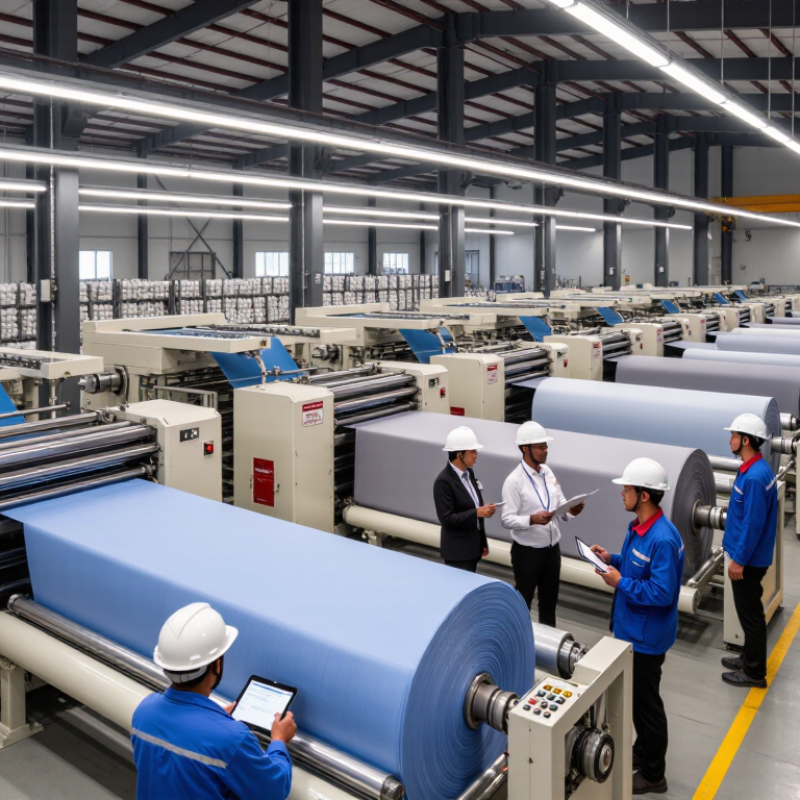
Sourcing from the bangladesh textile industry in 2026 will require more than comparing factory prices. Buyers must examine production capacity, compliance records, fabric quality, lead times, and supply chain visibility. A low quotation can hide expensive delays.
Dr. Rubana Huq, former president of the Bangladesh Garment Manufacturers and Exporters Association, has emphasized a valuable principle: “We need to move from volume to value.” Her observation matters for international buyers planning long-term partnerships. Bangladesh offers strong capabilities in knitwear, woven garments, denim, and increasingly sophisticated textile production. However, responsible sourcing still demands careful verification. Factory visits, independent assessments, worker safety checks, and wastewater documentation should support every major decision.
Look beyond the showroom.
A practical sourcing process should map each supplier’s machinery, raw material sources, energy use, and subcontracting policy. Buyers should also discuss order flexibility, minimum quantities, port logistics, and backup production plans. These details become important when seasonal demand changes suddenly. Transparent communication often reveals more than a polished presentation.
The market is not perfect. Some suppliers may have impressive certifications but weak daily controls. An audit can also miss problems between inspection dates. Therefore, buyers should combine documents with repeated visits, production samples, and direct management conversations. This approach takes time, but it reduces avoidable risk.
For 2026, successful sourcing will depend on measurable responsibility, realistic planning, and patient supplier development. Price still matters. It should not be the only measure of value.
Map Bangladesh’s RMG Ecosystem: US$39.35B in FY2024–25 Apparel Exports
How to Source from the Bangladesh Textile Industry in 2026?
Map Bangladesh’s RMG Ecosystem: US$39.35B in FY2024–25 Apparel Exports
Bangladesh’s ready-made garment sector exported US$39.35 billion in FY2024–25, according to official export data. This figure shows scale, but not automatic supplier quality.
The ecosystem includes spinning mills, fabric producers, dyeing units, garment factories, testing laboratories, and freight providers. Both knitwear and woven apparel matter. That breadth can support flexible sourcing. Scale is not assurance.
In 2026, buyers should map each factory’s production role before requesting prices. Ask where yarn, fabric, trims, and finishing are sourced. Then verify capacity against recent orders, machine lists, staffing, and shipment records. An on-site visit should examine cutting rooms, sewing lines, storage areas, fire controls, and wastewater systems. Independent social, technical, and chemical testing can strengthen the evidence. Paperwork alone is weak. Check export documentation and destination-market requirements with qualified advisers.
Cost discussions should include cotton volatility, energy, compliance upgrades, port handling, and realistic production buffers. Dhaka and Chattogram connections may affect sampling and delivery planning. Set approval gates for lab dips, size sets, pre-production samples, and final inspection.
Use written tolerance limits for measurements, shade, defects, and packaging. Do not select only on the lowest quote. A cheap offer may hide overtime pressure or unstable subcontracting.
I would also challenge my own assumptions: a polished factory tour can reveal little about peak-season performance. Request evidence from difficult months. Review corrective actions, not just certificates.
Screen Suppliers Across Bangladesh’s 4.4M-Worker Garment Industry
How to Source from the Bangladesh Textile Industry in 2026?
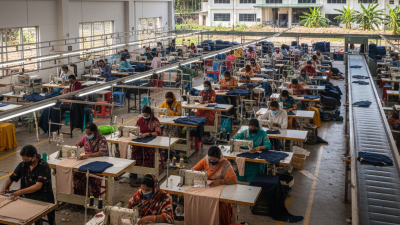
Bangladesh’s garment sector employs about 4.4 million workers, according to BGMEA industry data. This scale creates depth, but it also complicates supplier screening. Begin with factory ownership, product category, monthly capacity, and export history. Request current licenses, worker numbers, production lines, and machine lists. Compare these records with shipment data and audited financial statements. The Export Promotion Bureau reported Bangladesh apparel exports of about US$39.35 billion in fiscal year 2024–25. Strong export performance does not guarantee reliable delivery. Factory-level evidence matters more.
Tips: Ask for a live production video, not only photographs. Check cutting, sewing, washing, and packing areas. Interview workers privately when possible. Review wage records, overtime logs, fire assessments, and wastewater controls. The ILO highlights workplace safety and labour governance as continuing priorities in Bangladesh. A supplier may pass one audit and still struggle during peak season. That weakness deserves a second visit.
Use a scored shortlist covering quality, capacity, compliance, traceability, and lead time. Require fabric test reports before approving bulk production. Confirm whether subcontracting is allowed and how it is disclosed. The World Bank identifies export concentration as a structural risk for Bangladesh’s economy, so production flexibility is valuable. Consider suppliers using renewable energy, efficient boilers, and digital material records. These features can reduce future reporting pressure, although claims are sometimes overstated. I have found that simple evidence, such as dated meter readings, often reveals more than polished sustainability presentations.
Verify Capacity, Lead Times, and 230+ LEED-Certified Factories
Bangladesh offers a strong sourcing base in 2026, but factory size alone proves little.
Public industry records indicate more than 230 LEED-certified factories across the textile sector. Treat that number as a starting point, not a guarantee.
Ask each supplier for its current certificate, certification level, factory address, and covered production units. Confirm the document through an independent database or an authorized certification channel. Then request machine lists, monthly output, shift patterns, and current capacity utilization. A factory claiming 500,000 pieces monthly may already run near full capacity. That changes your delivery risk.
Verify lead times through a written production calendar. Include material booking, lab approvals, cutting, sewing, finishing, inspection, and shipment preparation. Ask for recent delivery records from comparable orders. Visit the floor when possible. Check whether fabric storage matches the reported order volume. Review quality records, worker safety procedures, wastewater controls, and subcontracting disclosures.
A spreadsheet is not proof. Photos can also mislead. Build a small pilot order before committing to seasonal volume. Leave time for monsoon delays, port congestion, and approval changes. I have found that suppliers often estimate production time correctly but underestimate approval cycles. That weakness deserves attention. A realistic plan should include buffer days, clear escalation contacts, and signed capacity commitments. LEED certification can support responsible sourcing, yet it does not replace product testing, financial checks, or regular factory audits.
Build Tech Packs Around Bangladesh’s Cotton-Import Dependence
How to Source from the Bangladesh Textile Industry in 2026?
Bangladesh’s textile supply chain depends heavily on imported cotton. USDA Foreign Agricultural Service data estimates cotton imports near 8 million 480-pound bales annually. Local cotton production covers only a small share of mill demand. This dependence should shape your tech pack, not remain a procurement footnote.
Specify fiber origin flexibility in every tech pack. Allow approved cotton from several supplying regions, subject to testing. Include yarn count, staple length, micronaire range, strength, contamination limits, and moisture tolerance. Add a substitution approval process. Cotton prices and shipping schedules can change quickly. A fixed origin may create avoidable delays. The Bangladesh Textile Mills Association has repeatedly highlighted this import exposure. That makes lead-time planning essential, especially before peak production months.
Tips: Request a cotton availability check before confirming the order. Ask mills to disclose yarn inventory, shipment status, and backup sources. Use AQL inspections for fabric shade, GSM, shrinkage, and skew. Keep lab-dip approvals digitally traceable. Textile Exchange’s Materials Market Report can support fiber benchmarking, while USDA FAS reports help monitor cotton-market movements. I would also challenge one common assumption: a lower fabric price may hide higher logistics risk. My early tech packs were sometimes too rigid. Flexibility is not vagueness; it needs measurable limits.
Audit, Sample, and Pilot Orders Before Scaling Sourcing in 2026
Sourcing from Bangladesh’s textile industry in 2026 should begin with verification, not volume. Review factory licenses, ownership records, production capacity, fire safety controls, and worker welfare systems. Ask for recent audit reports, then verify key findings during an on-site visit. A polished report can still hide weak follow-up.
Walk through the cutting room, sewing lines, storage areas, and wastewater controls. Check whether machines are maintained and whether emergency exits remain clear. Speak with quality managers about defect tracking and corrective actions. Request fabric composition tests, colorfastness results, shrinkage data, and measurement tolerances. Send a detailed tech pack for sampling. Examine stitching density, seam strength, labels, packaging, and wash performance. Do not approve samples from photographs alone. Test them physically.
Start small. Place a controlled pilot order before scaling production. Use a limited quantity with clear inspection points, realistic delivery dates, and written acceptance standards. Monitor cutting accuracy, inline defects, final inspection results, carton counts, and shipment timing. Compare actual performance with the supplier’s promises. Document everything.
Problems may appear even after a careful audit. A factory can pass inspection yet struggle with urgent changes or fabric shortages. That is not always a failure, but it requires honest review. Ask whether communication, planning, or capacity caused the issue. Improve the process before increasing order size, and keep corrective actions measurable.
How to Source from the Bangladesh Textile Industry in 2026? - Audit, Sample, and Pilot Orders Before Scaling Sourcing in 2026
| Sourcing Stage | Audit or Order Dimension | Verified Bangladesh Industry Data | 2026 Verification Checkpoint | Required Evidence | Scale-Up Decision | Reference |
|---|---|---|---|---|---|---|
| 1. Market Screening | Export capacity and sector relevance | Bangladesh exported approximately US$36.15 billion of ready-made garments in fiscal year 2023–2024. RMG represented roughly 88.5% of the country’s total merchandise exports in that fiscal year. | Confirm that the proposed product category matches the facility’s active production capability, machinery, workforce, and export history. | Recent export records, production profile, machinery list, monthly capacity statement, and product-category references without confidential buyer information. | Proceed only when the facility demonstrates relevant and current production experience. | Bangladesh Garment Manufacturers and Exporters Association; Export Promotion Bureau data. |
| 2. Pre-Qualification | Legal registration and operating authority | A legally operating exporting facility should be able to provide trade, tax, factory, fire, environmental, and labor-related documentation applicable to its activities in Bangladesh. | Check that documents are valid, consistent in legal entity details, and issued by the relevant Bangladeshi authority. | Trade license, export registration, tax identification, factory registration, fire license, environmental clearance where applicable, and lease or ownership evidence. | Reject or pause facilities with expired, inconsistent, or unverifiable documents. | Bangladesh government licensing and regulatory requirements. |
| 3. Social Compliance Audit | Wages, working hours, and worker records | The minimum monthly wage for workers in Bangladesh’s garment sector was set at Tk 12,500, effective from 1 December 2023. The wage structure should be checked against current legal updates and applicable annual increments. | Verify payroll against attendance, overtime, deductions, benefits, and worker interviews. Do not rely only on management-provided summaries. | Payroll for at least three recent months, attendance records, overtime registers, wage slips, employment contracts, grievance records, and confidential worker interviews. | Require corrective action for wage, forced-labor, child-labor, discrimination, or retaliation findings before any volume order. | Bangladesh Minimum Wage Board; Bangladesh Labour Act; International Labour Organization guidance. |
| 4. Building and Fire Safety | Structural, electrical, and fire-risk controls | Bangladesh garment facilities are subject to national building, fire, labor, and safety requirements. Safety verification should cover structural integrity, electrical systems, fire protection, emergency exits, and worker training. | Confirm that inspection certificates are current and that critical findings have documented closure, not merely an action plan. | Structural assessment, fire license, electrical inspection, fire-drill records, evacuation maps, maintenance logs, alarm tests, and corrective-action evidence. | No production scale-up where there are blocked exits, uncontrolled electrical hazards, structural concerns, or unresolved critical findings. | Bangladesh Fire Service and Civil Defence; Bangladesh National Building Code; applicable safety initiatives. |
| 5. Environmental Audit | Water, chemicals, wastewater, and energy | Wet-processing facilities require closer environmental review because dyeing, washing, finishing, and effluent treatment can materially affect water, chemical, and wastewater risks. | Separate cut-and-sew facilities from dyeing or washing facilities and audit each relevant process location. | Environmental clearance, wastewater test reports, effluent-treatment-plant logs, chemical inventory, safety data sheets, water-consumption records, and waste-disposal documents. | Approve only when legal permits are current and wastewater and chemical controls are demonstrably operational. | Bangladesh Department of Environment; applicable environmental rules and permits. |
| 6. Capability Audit | Production capacity and process control | Declared capacity is not a standardized national metric and should not be accepted without production evidence. Capacity depends on product complexity, line layout, efficiency, absenteeism, fabric availability, and working days. | Recalculate realistic capacity from line count, operators, standard allowed minutes, efficiency, working hours, and planned absenteeism. | Line plan, machine list, production reports, efficiency reports, quality reports, maintenance logs, and subcontracting disclosure. | Use verified available capacity rather than total installed capacity when setting the order ceiling. | Buyer due-diligence benchmark; facility records must be independently verified. |
| 7. Sample Development | Fit, construction, fabric, and color approval | Sample performance is product-specific; there is no single national Bangladesh pass rate. All approvals should therefore be based on measured specifications rather than visual acceptance alone. | Approve a pre-production sample only after confirming measurements, fabric composition, GSM, color standard, trims, artwork, workmanship, and testing requirements. | Signed specification sheet, graded measurement chart, fabric test report, color approval, construction details, approved trim list, and dated sample photographs. | Do not authorize bulk production from an unapproved or verbally approved sample. | Product specification and quality-control records. |
| 8. Testing and Traceability | Material safety and lot traceability | Testing requirements depend on the destination market, fiber content, product type, chemical restrictions, and end use. Traceability should connect raw-material lots to finished-goods inspection records. | Define required tests before purchasing fabric or trims and confirm the laboratory method and acceptance limit. | Fiber-composition test, colorfastness results, dimensional-stability report, restricted-substance testing where required, supplier declarations, and lot records. | Hold shipment when test results do not match the approved specification or traceability is incomplete. | Destination-market product-safety rules and recognized textile-testing methods. |
| 9. Pilot Order | Small-volume production validation | A pilot order is a buyer-controlled risk-management step, not a statutory Bangladesh requirement. Its size should be limited enough to cap exposure while being large enough to test production, packing, inspection, and shipment processes. | Use a written pilot quantity, delivery window, inspection standard, defect classification, payment milestone, and escalation process. | Approved purchase order, production calendar, inline inspection records, final inspection report, carton audit, packing list, and shipment documents. | Scale only when quality, delivery, packing accuracy, documentation, and communication meet the agreed thresholds. | Buyer risk-control framework; thresholds should be contractually defined. |
| 10. Quality Gate | Defect control and acceptance sampling | Acceptance limits are commercial specifications rather than universal Bangladesh legal limits. A recognized sampling plan, such as ISO 2859-1, can provide a consistent inspection method. | Set separate limits for critical, major, and minor defects before inspection and ensure the inspection level is stated in the purchase contract. | Inspection protocol, defect glossary, measurement report, sample-size calculation, nonconformity report, and corrective-action plan. | Release goods only when the final inspection passes the agreed sampling plan and all critical defects are zero. | ISO 2859-1 sampling framework; contract-specific quality standard. |
| 11. Commercial and Logistics Review | Cost, payment, lead time, and export documents | Quoted lead time is not a fixed national Bangladesh industry statistic. It varies with fabric availability, order complexity, production loading, port conditions, customs documentation, and shipping schedules. | Separate fabric booking, production, inspection, documentation, inland transport, port, and ocean-transit dates in the purchase plan. | Cost breakdown, payment terms, pro forma invoice, packing list, commercial invoice, certificate requirements, booking confirmation, and shipment milestone tracker. | Increase order volume only after the pilot demonstrates reliable cost control, documentation accuracy, and on-time shipment performance. | Bangladesh Customs and export-document requirements; buyer logistics plan. |
| 12. Scale-Up Decision | Risk score and approval status | There is no official national scoring system that determines whether an international buyer should scale sourcing from a Bangladeshi facility. The buyer should combine legal, social, safety, environmental, quality, capacity, and delivery findings. | Classify the facility as approved, conditionally approved, or not approved based on evidence and closure of critical findings. | Completed audit report, risk register, corrective-action tracker, pilot-order scorecard, management sign-off, and scheduled follow-up audit. | Scale gradually, diversify critical materials where possible, and maintain periodic reassessment during 2026. | Buyer governance framework based on documented due diligence. |

Related Posts
-
10 Best Bangladesh Textile Industry Suppliers for Buyers
-
Bangladesh Textile Industry 2026 What Global Buyers Need?
-
How to Succeed in the Bangladesh Textile Industry: Tips and Strategies
-
2025 How to Choose the Right Types of Textile Dyes for Your Projects
-
2026 Top Textile Distributors You Should Know About?
-
How to Choose the Best Textile Industry Chemicals in 2026?