Colourinn Industries – Textile & Dyes Auxiliaries Manufacturer & Exporter

Blog

  1. Home
  2. /
  3. Blog

Bangladesh Textile Industry 2026 What Global Buyers Need?

Bangladesh textile industry is entering 2026 with stronger global attention and higher buyer expectations. International brands are looking beyond competitive pricing. They want traceable materials, reliable delivery, safer factories, and measurable environmental progress. A shipment of cotton shirts now carries more questions than before. Where was the fibre sourced? How much water was used? Can the factory prove its standards?

Mostafiz Uddin, a Bangladeshi apparel entrepreneur and sustainability advocate, has often stressed the industry’s need to create greater value. His widely repeated message is clear: “Bangladesh must move from volume to value.” That shift will shape buyer decisions in 2026. Large factories may invest in automation, renewable energy, efficient dyeing, and worker training. Smaller suppliers may struggle with the cost. This gap deserves honest attention.

The Bangladesh textile industry remains powerful, but it is not fully prepared for every change. Lead times can still be uneven. Compliance evidence may vary between factories. Digital traceability is improving, yet adoption is incomplete. Buyers should examine supplier records, not rely on impressive claims alone. Factory visits, verified audits, production samples, and transparent communication still matter.

This guide explores what global buyers need from Bangladesh in 2026. It considers sourcing reliability, sustainability, product development, labour standards, and commercial risk. The opportunity is substantial. So is the responsibility. Progress will not come from slogans. It will come from cleaner production, stronger partnerships, and details that withstand scrutiny.

Bangladesh Textile Industry 2026 What Global Buyers Need?

Bangladesh’s Textile Industry Structure and Economic Importance in 2026

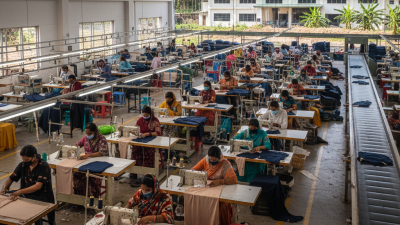
Bangladesh’s textile industry in 2026 is a connected production system, not only a garment sector. Cotton and man-made fibers enter through imports, then move into spinning, weaving, knitting, dyeing, finishing, and accessories. Many factories operate near major industrial corridors, ports, and transport routes. This structure helps shorten production cycles, although congestion and energy interruptions still create costly delays.

Ready-made garments remain the sector’s economic engine. They generate most textile-related export earnings and support millions of direct and indirect jobs. Women continue to form a large part of the factory workforce, giving the industry wider social importance. Local suppliers also produce labels, packaging, zippers, buttons, and basic machinery services. These supporting businesses deepen domestic value creation.

The structure is changing. Exporters are investing more in recycled fibers, technical fabrics, automated cutting, and cleaner dyeing systems. Buyers should examine factory records, worker conditions, energy sources, wastewater controls, and subcontracting practices. A low price may hide weak production planning. It may also signal imported dependence rather than genuine efficiency. Public export figures can differ by fiscal year, product category, and reporting method, so careful verification matters. Bangladesh has strong manufacturing experience, but its progress is uneven. Smaller factories may need financing, technical training, and better digital records to meet increasingly detailed sourcing requirements.

Key Products, Manufacturing Hubs, and Export Markets

Bangladesh Textile Industry Bangladesh’s textile strength remains concentrated in ready-made garments: knitwear, woven shirts, trousers, sweaters, denim, and lightweight outerwear. BGMEA export data shows apparel shipments reached about US$39.35 billion in fiscal year 2024–25. Knitwear remains a major contributor, while woven products support Bangladesh’s broad product mix. The industry is competitive, but not flawless. Lead-time control, design development, and consistent quality still require close buyer supervision.

Manufacturing Corridors Dhaka and nearby Gazipur form the largest manufacturing corridor, with dense factory networks and skilled production teams. Narayanganj remains important for knitwear, dyeing, and finishing. Chattogram supports port access and export logistics, although inland congestion can still disrupt schedules. The Bangladesh Investment Development Authority identifies these areas as central industrial locations. In practice, a factory’s distance from the port matters less than its production planning discipline.

Key Export Destinations The European Union, the United States, and the United Kingdom remain Bangladesh’s primary apparel destinations. Export Promotion Bureau data also shows growing commercial attention toward Canada, Japan, and Australia. WTO trade statistics continue to identify Bangladesh as a major global apparel supplier, especially for high-volume orders. Buyers should examine factory capacity, compliance records, fabric sourcing, and shipment history. Low prices attract attention, but they do not guarantee reliable delivery. Some suppliers still underestimate smaller orders, which can create avoidable communication problems.

Sustainability, Compliance, and Technology Trends Shaping Production

Bangladesh Textile Industry 2026: What Global Buyers Need?

In Bangladesh’s textile sector, global buyers are asking for more than low-cost, reliable production. They want traceable fibers, safer workplaces, and measurable environmental progress. Factory assessments often begin with simple evidence: purchase records, wastewater logs, energy meters, and worker training sheets. These details expose gaps that polished presentations can hide. Progress is uneven. Smaller factories may lack dedicated compliance teams, making consistent reporting difficult.

By 2026, digital production tools are becoming practical rather than experimental. Cloud-based systems can connect order data with fabric batches, inspection results, and shipment records. Sensors can flag excessive water use or unstable machine performance before losses grow. Digital product records may also support buyer audits and material claims. Yet technology is not automatically trustworthy. Poor data entry creates precise-looking errors. Human review still matters. This is often overlooked.

Environmental compliance will require more than certificates. Buyers should examine wastewater treatment, chemical controls, heat recovery, and renewable electricity claims. Social compliance also needs private worker interviews, documented wage payments, and functioning grievance channels. Supplier partnerships can support efficient dyeing, recycled inputs, and repairable equipment. However, recycled materials may increase costs or affect quality. Targets need realistic timelines. Some commitments will be missed. Honest reporting is more useful than perfect numbers, especially when factories are still improving baseline measurement.

What Global Buyers Should Assess Before Sourcing from Bangladesh

Global buyers assessing Bangladesh suppliers in 2026 should look beyond quoted FOB prices. A factory visit can reveal production discipline, maintenance habits, and worker safety practices. Check whether production lines match the supplier’s stated capacity. Ask for recent records, not prepared presentations. Small details matter. Are aisles clear? Are inspection tools calibrated? Can supervisors explain defect-control procedures without hesitation?

Supplier verification should include legal registration, labor conditions, environmental controls, and material traceability. Independent audits can help, but an audit report is only one piece of evidence. Follow up on corrective actions and request dated photographs or internal records. Speaking with the production and quality teams often reveals more than a sales meeting. I have found that unclear answers about subcontracting deserve careful attention. Subcontracting is not automatically unacceptable, but it must be disclosed and controlled.

Before placing an order, buyers should test communication through a detailed technical pack and a realistic sample schedule. Confirm fabric specifications, color standards, shrinkage limits, packaging, inspection points, and shipment documents in writing. Pilot orders can expose weaknesses before larger commitments. Build time for port delays, seasonal pressure, and rework. Bangladesh offers strong manufacturing potential, yet lead-time assumptions can be too optimistic. Even experienced teams sometimes overlook backup capacity or currency fluctuations. A supplier’s willingness to discuss these risks may be as important as its quoted price.

Bangladesh Textile Industry 2026: What Global Buyers Need to Assess

Bangladesh’s ready-made garment exports reached approximately US$39.35 billion in FY2024–25, recovering from the previous fiscal year but remaining below the FY2022–23 peak. Before sourcing in 2026, global buyers should assess supplier financial resilience, production capacity, delivery reliability, labor and building safety compliance, environmental performance, traceability, and the ability to produce higher-value and lower-impact products.

Data source: Export Promotion Bureau of Bangladesh and Bangladesh Garment Manufacturers and Exporters Association; fiscal years ending June 30. Values represent Bangladesh ready-made garment export earnings.

Risks, Opportunities, and Future Outlook for International Procurement

Bangladesh Textile Industry 2026: What Global Buyers Need?

For international buyers, Bangladesh’s textile industry in 2026 offers scale, competitive production, and experienced garment teams. Procurement decisions should begin with evidence, not attractive quotations. Factory visits may reveal crowded cutting rooms, weak safety controls, or strong process discipline hidden in spreadsheets. Buyers should verify licenses, worker welfare systems, subcontracting practices, and production capacity through independent audits and repeated visits. Not enough.

Shipping delays, energy interruptions, currency movements, cotton prices, and changing import rules can disturb a carefully planned order. A sourcing plan needs dual production options, realistic buffer time, and written quality gates. Digital traceability is improving, but data may remain incomplete beyond tier-one factories. Buyers should request purchase records, laboratory test reports, and corrective-action evidence. Paperwork can look perfect. It may not reflect daily practice.

Opportunities are growing in higher-value products, recycled fibers, efficient dyeing, and smaller production runs. Suppliers investing in automation and cleaner energy may offer steadier quality, although machinery cannot solve management gaps alone. Procurement teams should compare total landed cost, not only factory pricing. They also need to monitor wage revisions, port performance, energy reliability, and climate-related disruption. The 2026 outlook remains promising, but several forecasts may fail. Stay practical. Keep assumptions visible, review supplier evidence monthly, and adjust production plans before small delays become expensive.

Bangladesh Textile Industry 2026: What Global Buyers Need
Risks, Opportunities, and Future Outlook for International Procurement
Dimension Latest Verified Evidence 2026 Outlook Buyer-Relevant Risk or Opportunity Recommended Procurement Response Reference
Market Scale and Export Structure
Ready-made garment export value US$36.15 billion in FY2023–24. Bangladesh is expected to remain one of the world’s major apparel sourcing bases, although growth may be uneven across product categories. Opportunity: Large production capacity and an established export ecosystem. Risk: Strong dependence on apparel exports. Use Bangladesh for core volume programs while maintaining qualified secondary sourcing for continuity. EPB, FY2023–24
Share of merchandise exports generated by RMG Approximately 81% of Bangladesh’s merchandise exports in FY2023–24. Export concentration is likely to remain high in 2026, increasing exposure to apparel-cycle downturns and trade-policy changes. Risk: Changes in consumer demand, tariffs, or compliance rules can affect the wider manufacturing base. Monitor country-level exposure limits and avoid concentrating a critical product category in one production cluster. EPB, FY2023–24
Main export-market exposure The European Union, the United States, and the United Kingdom together represent the principal destinations for Bangladeshi apparel. Market access conditions will become more important as Bangladesh approaches LDC graduation. Risk: A change from preferential to less favorable tariff treatment may affect landed cost, especially for basic garments. Model landed cost under current, transitional, and post-graduation tariff scenarios before signing long-term contracts. EPB; WTO; European Commission
Trade Policy and Cost Competitiveness
UN LDC graduation Bangladesh is scheduled to graduate from the UN Least Developed Country category in November 2026, subject to the applicable international process. Preferential market access, rules of origin, and duty arrangements require buyer-specific verification for 2026–2029 planning. Risk: Potential tariff changes and stricter origin requirements could reduce the price advantage of labor-intensive products. Request a documented tariff matrix by destination, HS code, origin rule, and effective date; include review clauses in supply agreements. UN CDP; WTO; destination-market authorities
Statutory minimum wage for garment workers BDT 12,500 per month, effective from December 2023 for the garment sector. Wage, inflation, and worker-retention pressures may continue to raise conversion costs during 2026. Risk: Cost increases may be passed through unevenly; excessive price pressure can weaken labor and quality controls. Use open-book cost reviews, verify legal wage payments, and assess total labor cost rather than relying only on quoted FOB price. Bangladesh Ministry of Labour and Employment
Currency and inflation exposure Bangladesh has experienced material taka depreciation and elevated inflation in recent years. Exchange-rate and input-cost volatility should be treated as active commercial variables in 2026. Risk: Sudden cost changes can affect fabric purchasing, supplier liquidity, and shipment execution. Set transparent currency-adjustment mechanisms, define quotation validity periods, and review supplier financial health regularly. Bangladesh Bank; IMF country data
Supply Chain, Materials, and Capacity
Cotton raw-material dependence Bangladesh’s spinning and apparel industries depend overwhelmingly on imported cotton because domestic cotton production is limited. Global cotton prices, freight costs, foreign-exchange availability, and supplier inventory policies will remain important in 2026. Risk: Imported-material exposure can extend lead times and increase price volatility. Approve multiple yarn and fabric sources, lock critical materials earlier, and maintain visibility from fiber to finished garment. USDA Foreign Agricultural Service; Bangladesh textile-sector data
Man-made fiber and technical-textile potential Bangladesh’s export base remains strongly associated with cotton garments, while global demand is expanding for polyester, recycled fibers, performance wear, and blended products. MMF and higher-value product capability is likely to be a major competitive differentiator in 2026. Opportunity: Product diversification can improve resilience and support better margins. Risk: Chemical, testing, and process-control requirements are more demanding. Prequalify mills for fiber traceability, colorfastness, restricted substances, recycled-content claims, and performance testing. WTO; Textile Exchange; industry trade data
Industrial logistics Most export cargo depends on road links to the Chattogram port system and international ocean freight. Congestion, inland transport disruption, vessel schedule changes, and weather events remain relevant delivery risks. Risk: Port or road delays can erase Bangladesh’s cost advantage on short-season programs. Build shipment buffers, use milestone-based production tracking, reserve transport capacity for peak periods, and maintain documented contingency routes. World Bank; Bangladesh Port Authority; shipping-sector reports
Typical sourcing profile Bangladesh is particularly competitive in large-volume knitwear, woven basics, denim, sweaters, and workwear programs. Competition will move toward speed, design complexity, material innovation, and compliance performance rather than price alone. Opportunity: Strong fit for repeatable, scalable programs. Risk: Very small runs and rapid fashion changes may be less efficient. Match product architecture to supplier capability; use early capacity reservations for high-volume programs and separate vendors for agile capsules. EPB; sector and trade-association data
Labor, Compliance, and Sustainability
Direct RMG employment Approximately 4 million workers are employed directly in Bangladesh’s ready-made garment sector. Worker retention, skills development, occupational safety, and responsible purchasing practices will remain central to supply continuity. Risk: High turnover, excessive overtime, or weak worker-management systems can affect quality and delivery. Audit payroll and working hours, review grievance systems, fund realistic production calendars, and require corrective-action follow-up. BGMEA; ILO Bangladesh
Building and fire-safety governance The sector has undergone substantial safety improvements since the 2013 Rana Plaza disaster, supported by inspections, remediation, and worker-safety initiatives. Buyer due diligence must continue because legal compliance and international buyer requirements are not identical. Risk: Unverified subcontracting or incomplete remediation can create severe legal, reputational, and operational exposure. Verify factory authorization, structural and fire-safety records, subcontractor disclosure, corrective-action closure, and emergency preparedness. ILO; Government of Bangladesh; Accord-related public reports
Environmental compliance Textile wet processing requires significant water, energy, chemicals, and wastewater management; environmental performance varies by facility. EU and other-market requirements will increasingly emphasize traceability, chemical management, climate disclosure, and product-level sustainability evidence. Opportunity: Efficient mills can reduce cost and improve market access. Risk: Unsupported sustainability claims may create compliance exposure. Require wastewater-test results, chemical inventories, energy and water data, certification-scope verification, and chain-of-custody documentation. World Bank; IFC; EU sustainability-policy documents
Climate and flood exposure Bangladesh is highly exposed to flooding, cyclones, heat, and water-related disruption. Extreme-weather resilience will become a practical procurement requirement rather than only a sustainability topic. Risk: Factory access, utilities, worker attendance, raw-material movement, and port operations may be disrupted simultaneously. Map facility and tier-two locations, test business-continuity plans, identify alternate utilities and routes, and avoid single-site dependency for critical orders. World Bank Climate Change Knowledge Portal; IPCC
2026 Buyer Decision Framework
Overall procurement assessment Bangladesh remains a strategically important, large-scale apparel sourcing country with proven export capability. Best suited to buyers that combine cost discipline with structured compliance, material planning, and supply-chain diversification. Best opportunity: Scalable, repeatable, cost-sensitive programs. Key risks: Market-access changes, imported-material dependence, logistics, labor, and climate disruption. Adopt a balanced scorecard covering total landed cost, tariff exposure, factory capability, worker protection, environmental evidence, delivery reliability, and business continuity. Synthesis of the references listed above
Data note: Historical figures are shown for the latest period explicitly identified. The 2026 column is a planning outlook, not a guaranteed forecast. Buyers should reconfirm tariffs, rules of origin, wages, supplier certifications, and regulatory requirements before contracting.
Procurement priority for 2026: secure compliant capacity early, calculate destination-specific landed cost after LDC graduation, diversify critical materials and logistics routes, and require verifiable labor, environmental, and traceability data.