
Colourinn Industries – Textile & Dyes Auxiliaries Manufacturer & Exporter

Blog

  1. Home
  2. /
  3. Blog

Why Choose Collagen Powder for Your Business?

Collagen Powder is becoming a serious business opportunity, not merely a wellness trend. Grand View Research valued the global collagen market at USD 10.25 billion in 2023. Its report projects a 9.6% compound annual growth rate from 2024 to 2030. Fortune Business Insights also forecasts strong expansion, estimating the market could reach USD 19.93 billion by 2030.

The numbers look attractive. They do not guarantee success.

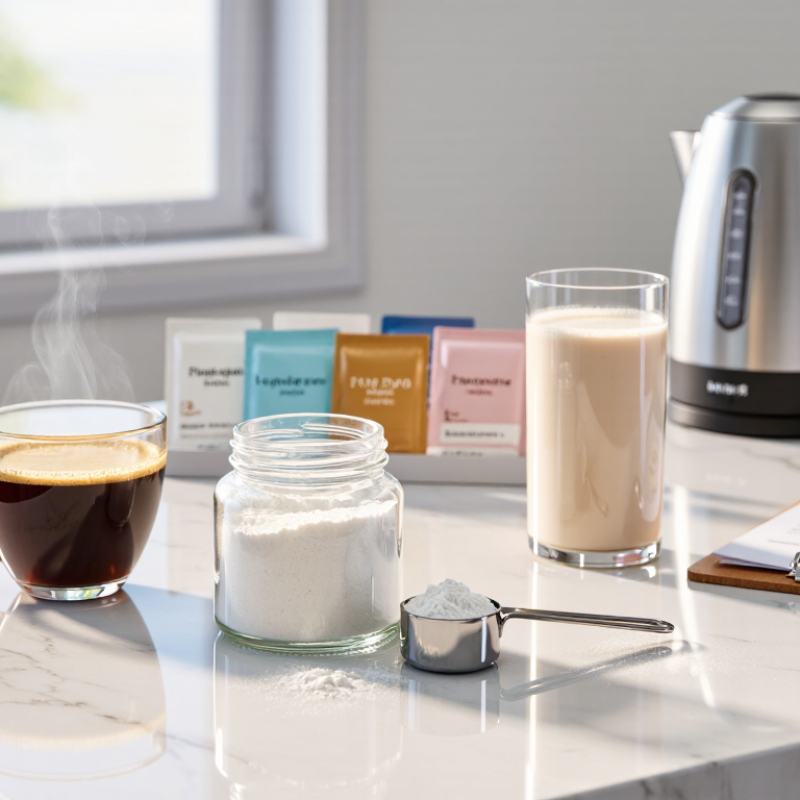
For manufacturers, Collagen Powder offers practical advantages. It dissolves easily in smoothies, coffee, sachets, and functional beverages. A clean scoop beside a morning cup creates a simple daily-use experience. Buyers also value flexible formats, including marine, bovine, and porcine sources. Each option requires careful sourcing, allergen control, and transparent labeling.

Dr. Mark Moyad, a physician and preventive-medicine specialist, states, “Collagen is the most abundant protein in the human body.” This basic fact helps explain its commercial appeal. However, responsible brands should avoid promising instant beauty or guaranteed joint support. Evidence varies by product, dosage, and consumer.

Trust is built through testing.

Businesses should verify identity, purity, heavy-metal limits, microbiological safety, and batch consistency. Certificates of analysis can support these claims. Traceable supply chains add further credibility, especially for marine ingredients. Yet reports often combine different collagen formats and applications. Market forecasts may therefore overstate the opportunity for a specific powder brand.

A strong business case combines demand, formulation quality, realistic communication, and disciplined compliance. Collagen Powder can earn repeat purchases when it performs consistently. It must also fit genuine consumer routines. Growth matters, but credibility protects the brand.
Why Choose Collagen Powder for Your Business?

What Is Collagen Powder and How Is It Made?

Collagen powder is a dry ingredient made from collagen-rich animal tissues. Common sources include bovine hides, porcine skin, and fish skin or scales. Manufacturers select each source according to market requirements, dietary standards, and local regulations. Source matters.


The process usually begins with cleaning and trimming the raw material. It is then treated to remove fats, minerals, and unwanted proteins. Controlled heat or mild chemical treatment helps release collagen from the tissue.

After extraction, enzymes may break the collagen into smaller peptides. This form is often called hydrolyzed collagen.

The liquid collagen solution passes through filtration and concentration stages. Finally, spray drying turns it into a fine, free-flowing powder. Quality facilities test moisture, protein content, microbial safety, heavy metals, and ingredient identity. These checks are essential for businesses building reliable products.

In practice, powder performance depends on more than its protein percentage. Solubility, taste, odor, particle size, packaging, and storage conditions can affect customer experience.

A powder may dissolve well in warm water but perform poorly in acidic drinks. That detail is easy to miss.

Businesses should request traceability records, certificates of analysis, allergen information, and testing methods from suppliers. Independent verification adds confidence, although it does not replace careful review.

Collagen is not magic. Its quality depends on the source, processing discipline, and honest product communication.

Which Nutritional Benefits Make Collagen Powder Valuable?

Collagen powder is valuable because it delivers concentrated peptides rich in glycine, proline, and hydroxyproline. These amino acids support the body’s natural collagen structure in skin, connective tissue, and cartilage. For food businesses, this creates a practical way to add functional nutrition to shakes, bars, and everyday beverages.

Research suggests that regular collagen peptide intake may modestly improve skin elasticity and hydration. Some studies also report less exercise-related joint discomfort, especially among active adults. The results are encouraging, but they are not guaranteed. Individual response, dosage, diet, and training habits all matter. Small details matter too, such as solubility, flavor, and texture in the finished product.

Collagen is still an incomplete protein. It contains little tryptophan, so it should not replace varied protein sources. Pairing a collagen product with vitamin C-rich foods, such as berries or citrus, may support normal collagen formation. Clear sourcing, contaminant testing, and accurate serving information strengthen consumer trust. A careful business should avoid promising younger skin or repaired joints. The science is useful, but not perfect.

Why Choose Collagen Powder for Your Business?

Which Nutritional Benefits Make Collagen Powder Valuable?

A typical 20 g serving of collagen powder delivers approximately 18.4 g of protein and naturally contains high levels of glycine, proline, and hydroxyproline. These characteristics make collagen powder a convenient protein ingredient for nutrition, beauty, wellness, and functional food products.

Representative values per 20 g serving, calculated from generic collagen composition data reported per 100 g. Actual nutrition values vary by source material and processing method. Collagen is not a complete protein because it contains little or no tryptophan.

How Can Businesses Use Collagen Powder in Their Products?

Collagen powder can become a practical ingredient in beverages, nutrition bars, sachets, and powdered blends. Hydrolyzed collagen peptides usually disperse more easily than standard gelatin. In a ready-to-mix drink, they may add protein without creating a heavy mouthfeel. Formulators should test solubility in cold water, acidity, sweetness, and heat. Small trials reveal problems early.

It is not always smooth.

A bar may need extra moisture control because collagen can make the texture firm or slightly dry. In gummies, the powder may affect clarity, chewiness, and setting time. Businesses can also use collagen in soups or functional snack mixes, where a mild flavor fits better. Sensory panels should check taste after storage, not only on production day. That detail matters.

Reliable development requires a complete specification, test results, allergen information, and traceability documents from the supplier. Teams should verify identity, purity, microbiological safety, and heavy metal limits through suitable testing. Product claims must match local food regulations and available scientific evidence. Calling a product “beautifying” or “joint-supporting” without proper support can damage trust. The best formula may not use the highest possible amount. A lower level can offer better texture, cost control, and customer acceptance. More is not automatically better. Teams should review failed samples honestly, because an attractive label cannot fix a disappointing product.

Why Choose Collagen Powder for Your Business? - How Can Businesses Use Collagen Powder in Their Products?

Typical formulation ranges are indicative rather than universal specifications. Final use levels should be confirmed through product testing and applicable regulations.
Business Product Category Common Collagen Format Typical Use Level Functional Role Key Product Advantages Important Formulation Considerations
Powdered Drink Mixes Hydrolyzed collagen peptides Approximately 2.5–15 g per serving, depending on product positioning Adds protein and supports a convenient supplement format Usually disperses more easily than native collagen; suitable for single-serve sachets and tubs Check solubility, flavor, foaming, moisture control, and compatibility with acids, sweeteners, and minerals
Ready-to-Drink Beverages Low-odor, hydrolyzed collagen peptides Often about 2.5–10 g per bottle or serving Provides a soluble protein ingredient for functional beverage concepts Works well in convenient, portion-controlled formats when sensory quality is managed Validate stability during heat processing, storage, and exposure to low pH; test sedimentation and taste over shelf life
Protein Bars and Snack Bars Hydrolyzed collagen peptides or gelatin Commonly around 3–15% of the finished formula, subject to texture requirements Contributes protein and can influence chewiness and body Can support soft-chew, high-protein, and reduced-sugar product concepts Gelatin can set and create elasticity; collagen peptides do not provide the same gel structure. Monitor water activity and texture changes
Baked Goods and Nutrition Foods Hydrolyzed collagen peptides Approximately 1–10% of the formula, depending on the recipe Increases protein content without acting as a conventional flour or starch Can be incorporated into cookies, pancakes, crackers, and other nutrition-focused foods Evaluate heat exposure, browning, moisture migration, flavor, and the effect on dough or batter rheology
Gummies and Soft Chews Gelatin or collagen peptides combined with a separate gelling system Often about 2–8% collagen-related ingredient, depending on texture and serving size Gelatin can provide gel structure; peptides mainly contribute soluble protein Supports chewable formats for consumers who prefer alternatives to capsules or powders Control gel strength, bloom characteristics, pH, sugar or polyol content, moisture, and heat exposure during processing
Capsules and Sachets Dry hydrolyzed collagen peptides Powder fills commonly range from about 0.5–1 g per capsule; larger quantities are generally better suited to sachets or tubs Provides a measured powdered ingredient for supplement delivery Enables precise portioning and simplified packaging options Consider bulk density, flowability, hygroscopicity, capsule size, fill weight, and dose-related serving claims
Beauty and Personal-Care Formulas Hydrolyzed collagen or soluble collagen ingredients Use level varies widely by formula and regulatory category Used as a formulation ingredient in selected cosmetic or ingestible beauty products Can support beauty-oriented product concepts and multifunctional product lines Cosmetic and food regulations differ by market; verify permitted claims, allergen declarations, source labeling, and ingredient specifications
Product Development Notes: Collagen powders are protein ingredients, not complete proteins, because they are relatively low in several essential amino acids, including tryptophan. Source, processing method, molecular-weight profile, microbiological quality, heavy-metal limits, allergen status, and country-specific labeling requirements should be verified before commercial use.

What Quality and Safety Standards Should Buyers Evaluate?

Collagen powder can support consistent product development and convenient business applications. Yet buyers should judge quality and safety before comparing prices. Ask where the raw material comes from and how it is processed. Traceability must connect the finished powder to a specific production lot. A reliable supplier should provide a current certificate of analysis for every batch. Check the lot number, testing date, methods, and laboratory details. Small details matter.

Quality testing should cover identity, protein content, moisture, and microbiological safety. Identity testing confirms that the powder matches its declared collagen source. Microbiological analysis should examine pathogens, yeast, and mold. Heavy-metal screening is also important, especially when raw materials come from varied environments. Moisture results matter because excess water can reduce stability during storage. Review allergen controls and cross-contact procedures. Independent laboratory reports add useful evidence. Do not trust vague claims.

Manufacturing controls deserve equal attention. Look for documented GMP, HACCP, or ISO 22000-based procedures, where appropriate. Confirm that cleaning, batch release, and deviation records are maintained. Packaging should protect the powder from humidity, light, and contamination. Storage instructions need clear temperature and handling limits. Regulatory requirements also differ between markets, so local compliance needs review. In practice, buyers often miss the condition of sample packaging during evaluation. A practical trial can reveal clumping, odor, or poor solubility. Perfect documentation is rare. A missing test is not proof of danger, but it is a reason to pause.

How Should Businesses Choose the Right Collagen Powder Supplier?

Choosing the right collagen powder supplier requires more than comparing prices. A dependable supplier should provide clear product specifications, recent certificates of analysis, and traceable raw material records. Ask where the collagen comes from and how it is processed. Marine, bovine, and porcine sources can suit different markets, but their quality controls may differ. Request samples, then test solubility, odor, color, and taste in your own formula.

Reliable suppliers explain their testing methods. Look for evidence of checks for heavy metals, microorganisms, allergens, and unwanted residues. The certificate should match the actual production batch, not a generic document. Packaging also matters. Moisture-resistant bags can protect powder during storage and shipping. Confirm minimum order quantities, lead times, shelf life, and storage requirements before signing an agreement.

Communication reveals practical experience. A capable supplier should answer technical questions clearly and admit limitations when evidence is unavailable. Do not accept impressive claims without supporting data. A low price may appear attractive, yet inconsistent batches can increase reformulation costs. I would also request a small trial order before committing to large volumes. No supplier is perfect. However, transparent records, responsive service, and repeatable quality create a safer foundation for long-term business decisions.

Article Source: