
Colourinn Industries – Textile & Dyes Auxiliaries Manufacturer & Exporter

Blog

  1. Home
  2. /
  3. Blog

What Are the Top Types of Paper Takeaway Containers?

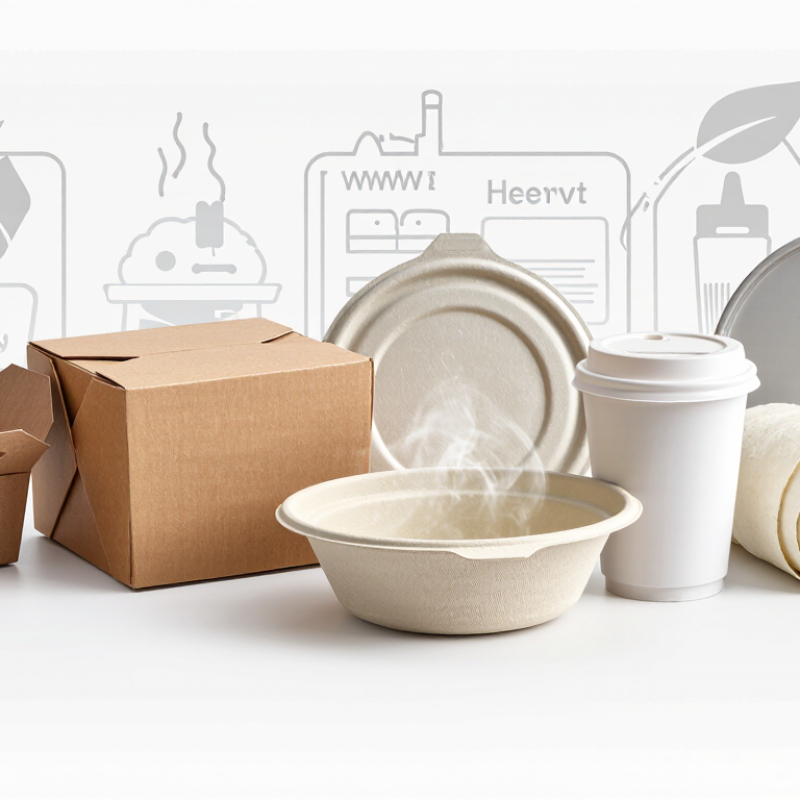
Paper Takeaway Containers now serve more than one purpose: they protect food, manage heat and moisture, and shape how a meal arrives. The category includes folding paperboard cartons, kraft takeout boxes, molded-fiber bowls, paper cups, wraps, and lined tubs for soups or sauces. Each format solves a different problem. A crisp-fried meal needs ventilation; a curry needs a dependable barrier and a secure lid. The right choice depends on the menu, delivery time, portion size, and disposal options available to customers.

Material claims need careful reading. The U.S. Environmental Protection Agency’s Advancing Sustainable Materials Management report estimated that 68.2% of paper and paperboard waste was recycled in 2018. That figure covers a broad material category, not food-soiled or coated takeaway boxes specifically. The distinction matters. Grand View Research’s food-service packaging market analysis also tracks products and materials across a varied market, but broad market growth alone does not prove that one container is better for every restaurant. Practical tests still count: check for leaks after ten minutes, press a lid into place, and see whether steam softens the base. Results may differ by supplier and food.

This guide compares the leading types of Paper Takeaway Containers by structure, typical uses, and trade-offs. It also considers grease resistance, stacking, customer handling, and end-of-life realities. Some options look sustainable on a shelf but perform poorly with hot, wet food. That is worth questioning. A container should fit the meal first, and its environmental claims should be verified rather than assumed.
What Are the Top Types of Paper Takeaway Containers?

What Defines a Paper Takeaway Container?

A paper takeaway container is mainly paper or paperboard, formed to carry prepared food away from a food-service counter. “Paper” describes its main structure, not necessarily every layer. Bowls, trays, and clamshell boxes may have coatings or liners that resist moisture, oil, and heat. Those layers affect leak resistance, microwave suitability, and disposal. A folded kraft box can feel sturdy, yet soften at the corners under hot, saucy food. Small details matter.

Material composition helps define the container. Some packages combine fiber with plastic film, mineral coatings, or a separate lid. These differences can affect how recycling facilities sort and process them. The U.S. EPA’s 2018 Advancing Sustainable Materials Management report estimated that 80.9% of paper and paperboard packaging was recycled in the United States. That figure covers a broad category, not takeaway boxes alone. Important caveat. Food residue, grease, and bonded barriers may make a particular container unsuitable for paper recycling. It is easy to overread the headline number. Check package guidance and local collection rules, since acceptance varies by location and facility.

Which Paper Boxes Work Best for Meals and Noodles?

For rice meals and dry noodles, a rectangular paper takeaway box is often a practical fit. Its broad base keeps food from piling into one corner, while folded sides help contain sauces. Choose a box with a secure tuck-in lid and a grease-resistant inner layer when meals include oily toppings. The coating matters: plain paper can soften quickly under hot, moist food. A well-sized box also leaves a little room above the meal, reducing smears on the lid during delivery.

Brothy noodles need a different shape. A deep paper bowl or round container gives soup more space and is easier to carry upright. Look for a firmly attached, leak-resistant lining and a lid that closes evenly around the rim. Steam needs attention, too. A small vent can reduce trapped condensation, though too much venting may cool the meal or let broth escape if the container tilts. Test the box with the actual serving size, broth temperature, and travel time; a container that works for noodles at the counter may not hold up on a bumpy ride. Still, no paper box solves every menu problem. A slightly damp lid can happen.

What Are the Top Types of Paper Takeaway Containers? — Which Paper Boxes Work Best for Meals and Noodles?

Container Type Typical Construction Best Suited For Resistance to Sauces and Oil Heat and Microwave Considerations Practical Advantages and Limitations
Fold-top paperboard meal box Folded paperboard, often with a grease-resistant or moisture-resistant inner treatment. Rice meals, sandwiches, fried foods, and mixed meals with modest amounts of sauce. Good for grease when designed with a suitable barrier; not necessarily leakproof for thin liquids. Microwave use depends on the specific coating, printing, and manufacturer’s instructions. Remove any metal fasteners before heating. Closes securely and is easy to carry. A coated or lined version is preferable for oily foods; check the base and seams before using it for wet dishes.
Kraft paper lunch box Brown kraft paperboard, commonly folded or assembled into a box; barrier coatings may be added. Dry or lightly dressed meals, bakery items, snacks, and takeaway sets with separate sauce cups. Uncoated paper absorbs moisture and oil; lined versions offer better resistance, depending on the barrier. Do not assume it is microwave-safe. Follow the container supplier’s instructions, especially when it has a lining or printed surface. Lightweight and easy to stack. Best for foods that are not very wet unless the box has a suitable food-contact barrier.
Paper soup or noodle bowl Formed paperboard bowl, generally supplied with a moisture-resistant inner lining and a separate fitted lid. Broth, ramen, soups, saucy noodles, and other hot foods when the bowl is specifically designed for them. Usually better suited to liquids than an unlined meal box; performance depends on the lining, rim, base, and lid fit. Microwave suitability varies by bowl and lining. Use only when the packaging or supplier explicitly confirms it. Its round shape is convenient for stirring and eating noodles. A secure lid helps with takeaway, but it does not guarantee spill-proof transport.
Paper noodle carton Folded, tapered paperboard carton, often with a coated inner surface and a closure at the top. Stir-fried noodles, pasta, and other relatively cohesive foods; broth-based noodles are usually better in a bowl. Suitable for some oily or sauced foods when lined; the folded seams may be less suitable for thin liquids. Heating suitability depends on the exact carton materials and instructions. Avoid microwaving if it contains metal handles or components. Easy to hold and portion from. The narrow base can be less convenient for soups and foods that need a wide opening.
Paperboard tray with a separate lid Open, shallow paperboard tray paired with a paperboard or compatible clear lid; the tray may have a barrier coating. Combo meals, rice dishes, pastries, and foods that benefit from a broad serving area. Varies by tray coating. Shallow trays are generally less appropriate for broth or large amounts of thin sauce. Check the tray and lid instructions separately; some lids are not intended for microwave heating. Easy to arrange and display food. The lid can help protect the meal, but tray depth and closure style affect transport security.
Molded fiber clamshell Pressed molded plant fiber shaped into a hinged, compartmented container; some versions have added grease or moisture barriers. Burgers, rice plates, fried foods, and meals with separate or limited sauce. Uncoated fiber can soften when exposed to moisture or oil for long periods; barrier-treated versions vary in performance. Microwave suitability is product-specific. Follow the manufacturer’s heating instructions and avoid direct contact with open flame or oven elements. Hinged construction keeps the lid attached and compartments can separate foods. It is usually less suitable for soups and other liquid-heavy dishes.

Selection tip: For broth and liquid-rich noodles, choose a purpose-made lined paper bowl with a compatible lid. For rice meals and fried foods, a fold-top meal box or molded fiber clamshell can work well. Always confirm food-contact, leak-resistance, and microwave claims with the specific product supplier.

How Do Paper Bowls and Cups Hold Soups and Drinks?

Paper bowls and cups hold liquids through a combination of shaped paperboard and a thin barrier layer. Bowls often use sealed side seams and a coated inner surface to resist leaks from broth or oily sauces. Cups add a tightly formed base and rolled rim. For hot drinks, a double wall or sleeve slows heat transfer, though it does not keep beverages hot indefinitely.

Material recovery also matters. The U.S. Environmental Protection Agency’s Advancing Sustainable Materials Management report estimated that 80.9% of paper and paperboard containers and packaging were recovered in 2018. That figure covers a broad packaging category; it does not mean every coated cup or bowl is recyclable locally. A barrier that improves leak resistance can complicate recycling, depending on the facility. That distinction is easy to miss.

Tips: For takeaway soup, check that the bowl’s rim and base feel firm, then test it with hot liquid before service. For drinks, choose a secure lid and a sleeve when the cup feels hot. Keep filled paper containers upright, and avoid long storage: even a sound seam can weaken over time.

Top Types of Paper Takeaway Containers

Typical paperboard wall construction in common takeaway designs

A single-wall cup or bowl typically has one paperboard wall; double-wall cups use an additional outer wall to improve insulation. Designs vary, and liquid containers commonly use an inner barrier coating to help resist leaks. The chart shows typical constructions, not a universal standard.

When Are Paper Trays and Sleeves Used for Takeaway Food?

Paper trays work well for takeaway foods that need a flat, open base. Think fries, pastries, nachos, or several small snacks served together. Their low sides keep food in place while leaving it easy to reach. A tray also lets steam escape, which can help crisp items stay less soggy during a short trip. For greasy food, choose a tray designed to resist oil; ordinary paper can soften and show stains. Not every tray holds its shape for long.

Paper sleeves suit foods people carry and eat by hand, such as sandwiches, wraps, hot pastries, and slices of pizza. The sleeve gives customers a cleaner grip and can catch crumbs or light drips without hiding the food. It is especially useful at counters, food trucks, and busy lunch services where customers may eat while walking. Keep the fit snug, not tight. A sleeve that is too narrow can crush a soft roll, while one that is too loose may slide off. For very saucy or freshly cooked items, a sleeve alone may not be enough; pair it with a tray or another suitable container. Test packaging with the actual portion and travel time. Even a small menu change can affect how well it performs.

How Can Businesses Match Container Types to Menu Needs?

Match the container to the food’s shape, temperature, and moisture. Folded paperboard clamshells suit sandwiches, pastries, and compact meals because they close quickly and stack neatly. Paper bowls work better for soups, grain bowls, or saucy noodles, especially when paired with a secure lid. For fries or fried chicken, an open tray allows steam to escape, helping keep the coating crisp. Small details matter.

Consider the journey from kitchen to customer. A hot, oily meal needs suitable grease resistance, while a cold salad may need a wider opening and room for toppings. Check whether the container holds its shape when filled, and whether the lid stays secure during delivery. Vented designs can reduce trapped steam, but may not protect foods that need to stay hot. No single style fits every menu. A container that works for a short pickup may disappoint after a longer ride.

Tips: Test with a real serving. Fill the package, close it, and carry it for your typical delivery time. Look for leaks, softened corners, and difficult opening. Keep a few sizes on hand; choosing the smallest workable option can reduce excess packaging, though the fit may take some trial and error.