
What Are the Top Skin Care Products for Global Buyers?
Global buyers face a crowded skin care market, with shelves filled with cleansers, serums, sunscreens, and moisturizers. The best choice is rarely the most expensive one. It should match local climate, skin needs, ingredient evidence, and personal tolerance. Humidity can make a rich cream feel heavy. Dry winter air may require ceramides, glycerin, or squalane. Strong sunlight also makes broad-spectrum sunscreen essential.
Dermatologist Dr. Leslie Baumann captures this challenge clearly: “There is no one-size-fits-all approach to skin care.” Her view remains useful for shoppers comparing products across countries. A fragrance-free cleanser may suit sensitive skin, while a lightweight gel moisturizer can work better in tropical conditions. Buyers should also examine ingredient lists, packaging quality, expiration dates, and transparent manufacturer information. Claims such as “natural” or “instant repair” deserve careful attention.
Evidence matters more than attractive promises. Look for products supported by dermatological research and suitable for your skin type. Patch testing is practical, especially when trying retinoids, exfoliating acids, or botanical extracts. Small steps help.
Still, no global guide can predict every reaction. Skin changes with age, stress, medication, seasons, and environment. Some recommendations may need revision after real-world use. That is an important limitation, not a failure. This overview examines leading product categories for international consumers, balancing performance, safety, accessibility, and value. It also considers how reliable brands communicate testing, sourcing, and responsible use.
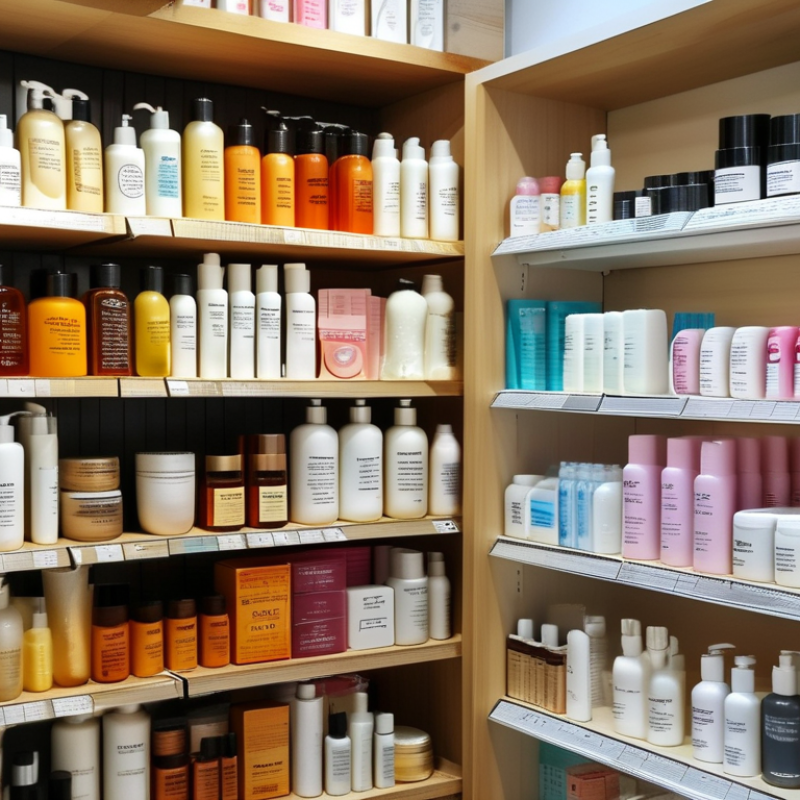
How Global Buyers Identify Their Skin Type and Care Needs
Global buyers often identify their skin type through daily observation, not a single online quiz. Start with observation. After cleansing, wait 30 minutes without applying products. Tightness may suggest dryness, while visible shine can indicate oilier skin. Uneven shine across the forehead and cheeks may point to combination skin. Redness, stinging, or frequent reactions suggest sensitivity, but these signs can have several causes.
Climate changes the decision. A buyer in a humid coastal city may prefer a lightweight, non-comedogenic moisturizer. Someone in a cold, dry region may need a richer cream with barrier-supporting ingredients. Sunscreen is important for exposed skin, especially during regular outdoor work. Gentle cleansers, fragrance-free moisturizers, and broad-spectrum sun protection are practical starting categories. Product labels should clearly list ingredients, directions, warnings, and responsible manufacturer information.
Needs also depend on age, medication, allergies, and existing conditions. Patch testing a small area for several days can reveal irritation, although it cannot guarantee safety. I once assumed persistent dryness required a stronger cream; reducing cleanser use helped more. That experience was useful, but not universal. Buyers should consult a qualified dermatologist when burning, swelling, severe acne, or lasting rashes appear. Reliable choices come from transparent evidence, careful observation, and realistic expectations. Skin may improve slowly. That is normal.
What Are the Top Skin Care Products for Global Buyers? - How Global Buyers Identify Their Skin Type and Care Needs
A practical comparison of skin profiles, care priorities, suitable product categories, and purchasing checks for buyers in different climates and markets.
| Skin Profile | Common Signs | Core Care Needs | Suitable Product Categories | Commonly Used Ingredient Examples | Suggested Routine Approach | Global Buying Checks |
|---|---|---|---|---|---|---|
| Dry Skin | Tightness after cleansing, rough texture, visible flaking, and less surface oil. | Support the skin barrier, reduce moisture loss, and improve comfort without over-cleansing. | Cream cleanser Moisturizer Barrier balm Broad-spectrum sunscreen | Glycerin, hyaluronic acid, ceramides, squalane, petrolatum, and fatty alcohols. | Use a gentle cleanser, apply moisturizer to slightly damp skin, and avoid very hot water and harsh exfoliation. | In cold or dry climates, choose richer textures and protective packaging. Check for fragrance and essential oils if easily irritated. |
| Oily Skin | Noticeable shine, enlarged-looking pores, and frequent oiliness in the T-zone or across the face. | Remove excess sebum while preserving the barrier and avoiding aggressive cleansing that may increase dryness. | Gel cleanser Light lotion Oil-control serum Non-comedogenic sunscreen | Niacinamide, salicylic acid, glycerin, lightweight humectants, and selected clay formulas. | Cleanse gently, moisturize with a light formula, and introduce exfoliating products gradually rather than using several at once. | In hot or humid markets, prioritize lightweight, non-greasy textures and stable packaging. Review local rules for acne-related claims. |
| Combination Skin | Oiliness in the forehead, nose, or chin with normal or dry-feeling areas on the cheeks. | Balance hydration and oil control by adjusting product texture or application area. | Gentle cleanser Gel-cream moisturizer Targeted serum Daily sunscreen | Niacinamide, glycerin, hyaluronic acid, ceramides, and salicylic acid for selected areas. | Use one gentle routine overall, then apply lighter or richer products selectively according to each facial zone. | Versatile textures and adjustable routines are useful for seasonal changes and mixed climate conditions. |
| Normal or Balanced Skin | Generally comfortable skin with moderate oil production and few persistent dry or oily areas. | Maintain the skin barrier, protect against ultraviolet exposure, and avoid unnecessary product overload. | Mild cleanser Balanced moisturizer Broad-spectrum sunscreen Optional antioxidant serum | Glycerin, ceramides, vitamin E, niacinamide, and well-tolerated antioxidant ingredients. | Keep the routine simple: cleanse as needed, moisturize when required, and use sunscreen during daytime exposure. | Focus on texture preference, climate suitability, shelf life, and clear instructions rather than buying a large number of products. |
| Sensitive or Reactive Skin | Stinging, burning, redness, itching, or discomfort after exposure to certain products or environmental conditions. | Minimize potential irritants, support the barrier, and introduce new products one at a time. | Fragrance-free cleanser Simple moisturizer Mineral sunscreen Repair-focused cream | Glycerin, ceramides, petrolatum, panthenol, colloidal oatmeal, and zinc oxide. | Patch-test new products, avoid frequent exfoliation, and stop use if persistent irritation develops. | Look for full ingredient lists, fragrance disclosure, batch details, and clear allergy or irritation guidance. |
| Blemish-Prone Skin | Blackheads, whiteheads, inflamed spots, or recurring congestion in specific areas. | Keep pores clear, reduce excess oil, maintain hydration, and avoid picking or abrasive scrubbing. | Non-comedogenic moisturizer Gentle cleanser Targeted treatment Oil-free sunscreen | Salicylic acid, niacinamide, adapalene where legally available, and benzoyl peroxide for appropriate use. | Introduce one active product at a time, follow label directions, moisturize, and use daytime sun protection. | Verify permitted ingredients, concentration limits, labeling language, and whether the product is cosmetic or medicinal in the destination market. |
| Uneven Tone or Dull-Looking Skin | Visible dark spots, post-blemish marks, or an uneven-looking complexion. | Reduce further discoloration, protect against ultraviolet exposure, and use gradual brightening care. | Antioxidant serum Gentle exfoliant Moisturizer Broad-spectrum sunscreen | Vitamin C derivatives, niacinamide, azelaic acid, licorice-root derivatives, and alpha-hydroxy acids. | Prioritize daily sunscreen and introduce brightening or exfoliating products slowly to limit irritation. | Check claims, permitted whitening terminology, ingredient restrictions, and sun-protection testing requirements in the target country. |
| Mature or Dry-Mature Skin | Increased dryness, fine lines, reduced suppleness, and a slower-feeling recovery from environmental stress. | Improve moisturization, support the barrier, protect from ultraviolet exposure, and use proven actives carefully. | Cream cleanser Rich moisturizer Peptide serum Daily sunscreen | Retinoids where suitable, peptides, glycerin, ceramides, vitamin C, and hyaluronic acid. | Begin active ingredients at a low frequency, moisturize consistently, and use sunscreen during daylight exposure. | Review age-related marketing claims, stability data, packaging that limits air or light exposure, and pregnancy-related usage guidance where relevant. |
Buyer note: Skin type can change with climate, season, age, hormones, medication, and cleansing habits. Product suitability should be assessed through ingredient review, patch testing, local regulatory requirements, and professional advice when persistent or severe skin problems occur.