
Blog
- Home
- /
- Blog
Who Are the Top PP Woven Bag Manufacturers in China?
Choosing a reliable PP Woven Bag manufacturer in China requires more than comparing factory prices. Buyers must examine material quality, production experience, testing systems, and communication. A strong supplier should understand resin selection, tape strength, fabric density, lamination, printing, stitching, and moisture protection. These details affect whether a bag survives a busy warehouse, a long truck journey, or repeated handling.
Packaging specialist Chen Wei explains, “A dependable PP Woven Bag starts with controlled production, not attractive printing.” This practical observation deserves attention. A bright logo cannot repair weak seams or uneven fabric. During supplier evaluation, buyers should request product samples, factory photographs, inspection records, and clear specifications. They should also ask about recycled content, load capacity, packaging conditions, and delivery consistency. Some manufacturers perform well with fertilizer sacks, while others focus on rice bags, animal-feed packaging, or industrial bulk bags. Their equipment and quality controls may differ considerably.
The leading companies are not always the cheapest. That is uncomfortable, but important. A lower quotation may hide thinner fabric, limited testing, or unstable raw materials. Still, supplier claims should not be accepted blindly. Verify them.
This guide examines several top PP Woven Bag manufacturers in China and compares their capabilities, product ranges, customization services, certifications, and export experience. It also considers practical weaknesses, because no factory is perfect. Readers will find a balanced starting point for shortlisting suppliers, requesting quotations, and choosing a manufacturer that fits their actual packaging requirements.
What Are PP Woven Bags and Why Are They Widely Used?
PP woven bags are made from polypropylene tapes woven into a strong, flexible fabric. Manufacturers laminate or coat the fabric when moisture resistance is needed. Common uses include rice, animal feed, fertilizer, chemicals, and construction materials. Their square shape improves warehouse stacking and truck loading.
According to Grand View Research, the global polypropylene woven bags market was valued at approximately US$3.8 billion in 2023. The report also expects steady growth through 2030, supported by agriculture, food packaging, and industrial logistics. These bags offer high tensile strength at a relatively low weight. They can also be printed, reused, and recycled where suitable collection systems exist. However, they are not automatically sustainable. Poor disposal can create long-term environmental problems. That point deserves more attention from buyers.
Tips: Check fabric density, bag weight, seam strength, and handle design before ordering. Ask for test records covering tensile strength, drop resistance, and moisture protection. A practical trial is better than trusting a glossy specification sheet. Store samples on a dry pallet, not directly on concrete. Also, confirm whether the bag matches the product’s filling temperature and storage conditions. Small details matter.
How to Evaluate PP Woven Bag Manufacturers in China
Choosing a PP woven bag manufacturer requires more than comparing prices. PlasticsEurope reported 413.8 million tonnes of global plastics production in 2023. This scale makes raw-material traceability important. Ask where the polypropylene comes from, and request batch records. Experienced suppliers should explain resin grade, tape denier, fabric GSM, coating thickness, and seam strength clearly. Vague answers deserve caution.
Request samples from three recent production lots, not one carefully selected bag. Check fabric uniformity under bright light. Measure weight, dimensions, and stitching density. Run drop tests with your actual filling weight. For outdoor storage, request UV-aging data. ISO’s 2023 survey recorded more than 1.2 million ISO 9001 certificates worldwide. However, certification alone cannot prove consistent bag quality. Audit the factory, inspect calibration records, and compare laboratory results with your own tests. A cheap quotation may hide unstable recycling content, weak seams, or high reject rates.
Tips: Ask for a written specification and a pre-shipment inspection plan. Confirm monthly capacity, lead time, and complaint response procedures. Review at least six months of batch records when possible. Check whether the supplier can control color, printing registration, and moisture protection. Keep one sealed reference sample for every approved order. This step is simple. It is often missed. No checklist is perfect, and even careful buyers can overlook performance after long storage.
How to Evaluate PP Woven Bag Manufacturers in China
A practical buyer-side evaluation framework for comparing manufacturers without relying on brand names. The percentages represent the recommended importance of each purchasing criterion.
Quality consistency and raw-material traceability should receive the highest priority, followed by production capacity, testing systems, and delivery reliability. Buyers should verify these points through samples, inspection records, production audits, and documented export experience.
Which Chinese Manufacturers Lead the PP Woven Bag Industry?
Chinese manufacturers leading the PP woven bag industry are defined by capability, not advertising. The strongest factories combine high-speed circular looms, stable extrusion lines, and disciplined quality control. Grand View Research estimated the global PP woven bags market at about USD 4.2 billion in 2023. Its report also expects continued growth through 2030. This demand rewards suppliers with reliable export experience and flexible production.
Leading Chinese factories usually offer customized sizes, laminated surfaces, printed designs, and moisture-resistant construction. They should provide production samples before bulk orders. They should also share test records for tensile strength, seam performance, and weight tolerance.
IMARC reported that the global PP woven bags market reached approximately USD 4.4 billion in 2023. These figures show opportunity, but they do not prove supplier quality. Factory visits, third-party inspections, and traceable batch records remain essential. No supplier is perfect. Even experienced plants can experience color variation or delivery pressure.
Tips: Ask for recent audit documents, material specifications, and defect-rate data. Check whether recycled content affects strength. Confirm the bag’s intended load with practical drop tests. A low quotation may hide thinner fabric, weaker stitching, or limited after-sales support. Supplier selection should compare measurable performance, not only price. Review communication speed, corrective-action records, and sample consistency before signing a purchase agreement.
What Products and Services Do These Manufacturers Provide?
Top PP woven bag manufacturers in China typically provide more than standard packaging. Their product lines often include open-mouth sacks, valve bags, block-bottom bags, and laminated woven bags. These options serve agriculture, construction materials, chemicals, animal feed, and general industrial packaging. Many factories also produce bulk bags for heavier loads, with reinforced lifting loops and customized dimensions.
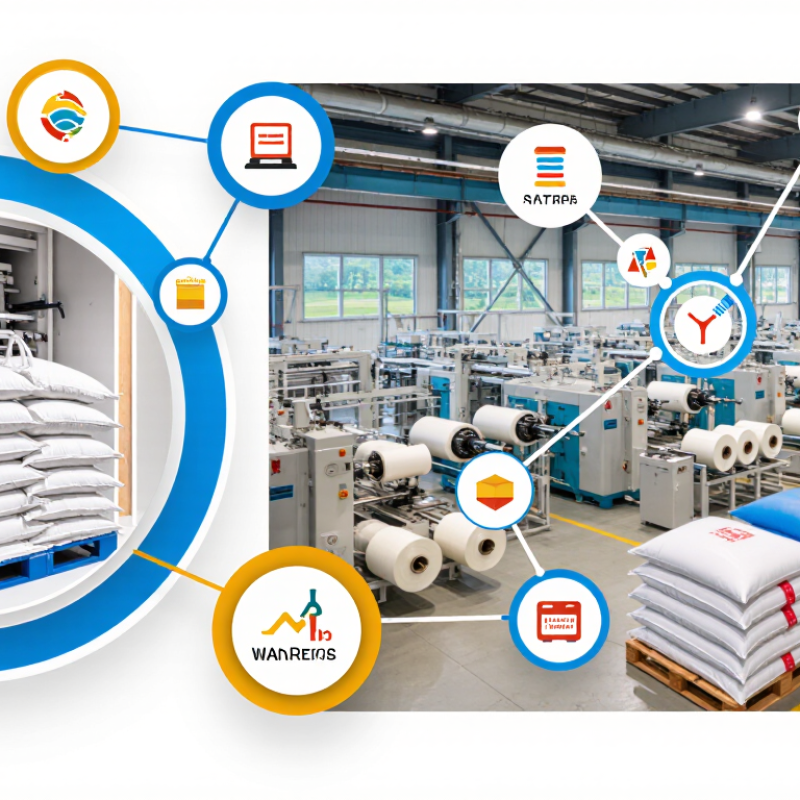
Manufacturers usually control the process from polypropylene extrusion to weaving, coating, cutting, stitching, and final inspection. This integrated workflow helps maintain stable fabric strength and accurate bag sizes. Buyers can request flexographic or gravure printing, matte or glossy lamination, inner liners, perforation, and moisture-resistant coatings. Some suppliers provide samples before mass production. Useful tests include seam strength, drop resistance, fabric weight, and load capacity.
Reliable suppliers discuss material grades, filling methods, storage conditions, and shipping requirements before quoting. They should also explain whether recycled content is suitable for the intended application. A small change in humidity can affect stitching and printing quality. No factory gets every detail right. Print alignment may need correction, and sample results may not fully represent long-term use. Buyers should review inspection records, production photographs, and clear quality agreements. Certificates can support confidence, but practical testing remains important. Careful manufacturers also offer packaging advice, carton or pallet loading, export documentation, and delivery coordination. These services can reduce damage during transport and simplify repeat orders.
| Manufacturer Capability Category | Main Product Types | Common End-Use Industries | Typical Material Options | Customization Services | Quality and Compliance Support | Packaging and Logistics Services |
|---|---|---|---|---|---|---|
| Standard PP Woven Bag Producers | Open-mouth bags Stitched bags Block-bottom bags | Agricultural products, animal feed, seed, grain, flour, sugar and general industrial materials. | Polypropylene woven fabric, coated or uncoated fabric, virgin PP and recycled-content options where permitted. | Custom dimensions, bag weight, sewing method, color, liner insertion and basic flexographic printing. | Production inspection, weight checks, seam-strength testing and documentation requested by the buyer. | Bulk packing, palletizing, container loading, export cartons and shipment coordination. |
| Laminated PP Woven Bag Specialists | BOPP laminated bags Film-laminated bags Gloss or matte finish bags | Pet food, fertilizer, rice, flour, building materials and branded retail packaging. | PP woven fabric with BOPP film or cast polypropylene coating; optional inner polyethylene liner. | High-resolution surface printing, photographic graphics, matte or gloss lamination, handles and special shapes. | Color consistency checks, lamination-bond inspection, print registration control and dimensional testing. | Retail-ready packing, carton packing, pallet wrapping and moisture-protection arrangements. |
| Fertilizer and Chemical Packaging Manufacturers | Valve bags Pinch-bottom bags Heavy-duty sacks | Fertilizer, mineral powders, cement, gypsum, calcium carbonate and other dry bulk materials. | High-strength PP woven fabric, coated fabric, paper-plastic composite structures and optional liners. | Valve position, filling-mouth design, anti-slip surface, UV stabilization and printed handling instructions. | Tensile strength, seam strength, drop testing, filling-performance checks and material-safety documentation when applicable. | Moisture-resistant outer packing, palletized loads, container optimization and export documentation. |
| Food-Grade Packaging Manufacturers | Food-contact sacks Liner bags Clean woven bags | Rice, grains, flour, starch, animal feed and other dry food or agricultural commodities. | Food-contact suitable PP where required, virgin polypropylene, PE liners and low-odor materials. | Clean-room or controlled-area packing options, inner liners, tamper-evident features and customized printing. | Hygiene procedures, batch traceability, cleanliness checks and food-contact documents based on the target market. | Inner protective bags, sealed bundles, clean pallets and contamination-control measures during shipment. |
| FIBC and Bulk Bag Manufacturers | One-loop FIBC Two-loop FIBC Four-loop FIBC UN-rated options | Chemicals, minerals, food ingredients, plastics, waste materials and construction products. | Woven PP fabric, coated fabric, conductive or anti-static fabric, liners and specialized lifting loops. | Top inlet and bottom outlet design, loop configuration, discharge spouts, liners, baffles and sift-proof seams. | Load testing, safe working load verification, seam inspection, drop testing and UN performance testing when specified. | Folded bulk bags, compressed bundles, container loading plans and handling-label preparation. |
| Recyclable and Sustainable Packaging Suppliers | Mono-material PP bags Lightweight sacks Reusable bags | Retail agriculture, industrial packaging, reusable transport packaging and selected food applications. | Mono-material polypropylene structures, downgauged fabric and recycled-content material where specifications allow. | Material reduction, reusable construction, recyclable printing solutions and design optimization for lower package weight. | Recycled-content declarations, material specifications, supplier traceability and recycling-related documentation. | Reduced-volume packing, reusable pallets, optimized container utilization and packaging-waste reduction planning. |
| Export-Oriented Custom Manufacturers | Private-label sacks Industrial bags Retail packaging | Importers, distributors, wholesalers, agricultural suppliers and international consumer-goods companies. | PP woven fabric, laminated structures, PE liners, coated materials and specifications selected for destination markets. | Artwork review, samples, color matching, barcode printing, multilingual labeling, customized dimensions and packing marks. | Pre-production samples, production monitoring, third-party inspection coordination and export-quality records. | FOB, CIF or other shipment arrangements, container loading photos, commercial documents and multi-country delivery support. |
| Integrated Packaging Solution Providers | Woven bags Liners FIBC Sewn packaging | Customers requiring multiple bag formats, centralized sourcing and coordinated packaging programs. | Several PP woven constructions, polyethylene liners, coated fabrics, paper-plastic combinations and specialty yarns. | Product development, structural design, prototype sampling, packaging standardization and coordinated SKU management. | Quality-control plans, lot traceability, inspection reports, corrective-action support and ongoing product improvement. | Consolidated shipments, inventory planning, mixed-SKU loading, warehousing and recurring-order management. |
How Can Buyers Choose the Right Chinese Manufacturer?
Choosing among China’s top PP woven bag manufacturers requires more than comparing online prices. Strong suppliers usually show stable production, clear material specifications, and documented quality controls. Ask about resin grade, fabric weight, bag dimensions, printing methods, and load requirements. A reliable manufacturer should provide recent test reports, production photos, and a traceable sample before mass production.
Visit the factory online or in person when possible. Check whether raw materials are stored neatly, looms operate consistently, and finished bags are packed away from moisture. Review their experience with similar orders, not only their years in business. Confirm production capacity, lead times, inspection procedures, and export documentation. Independent pre-shipment inspection adds protection, especially for large orders. A polished website proves little. Communication delays may reveal deeper problems. Still, even careful buyers can miss small stitching defects.
Tips: Compare at least three quotations, but do not choose the lowest price automatically. Request samples from the same material and printing process as your intended order. Measure thickness, seam strength, handle comfort, and print clarity. Put every agreed detail into a written specification. Ask how rejected bags are handled. The answer may be imperfect, but vague answers deserve closer review. Keep payment milestones linked to measurable production stages, and verify changes before approval.