China Top Textile Processing Manufacturers for Global Buyers
China’s textile manufacturing sector offers extensive capabilities for global buyers seeking reliable processing textile partners. Its supply base covers spinning, weaving, knitting, dyeing, printing, finishing, coating, and garment preparation. This breadth supports both high-volume orders and technically demanding custom programs.
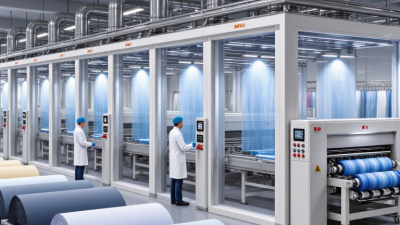
The strongest manufacturers combine modern machinery with practical factory experience. Buyers should examine dye-house water systems, laboratory testing procedures, production capacity, and quality-control records. A factory floor tells a useful story. Look for calibrated testing equipment, organized fabric rolls, clear batch labels, and trained technicians checking shade consistency.
Sustainability also requires evidence.
Dr. Subramanian Senthilkannan Muthu, a widely published textile sustainability researcher, has said, “Sustainability is not a destination, but a continuous journey.” This principle matters during supplier evaluation. A responsible partner should explain chemical management, wastewater treatment, energy use, recycled inputs, and traceability without vague promises.
Certifications can support trust, but they should not replace direct verification. Buyers may request audit reports, laboratory results, sample approvals, and production references. Communication quality matters too. Delayed answers can become delayed shipments.
Still, no manufacturer is perfect. Even an experienced supplier may face inconsistent raw materials, seasonal capacity pressure, or unexpected color variation. That is why a careful sourcing process includes pilot orders and independent inspections. The right partner is not simply the cheapest factory. It is a manufacturer that communicates clearly, documents its processes, and improves when problems appear.
This guide examines leading Chinese textile processing manufacturers and the capabilities global buyers should compare before signing a supply agreement.
What Textile Processing Manufacturers Do in China
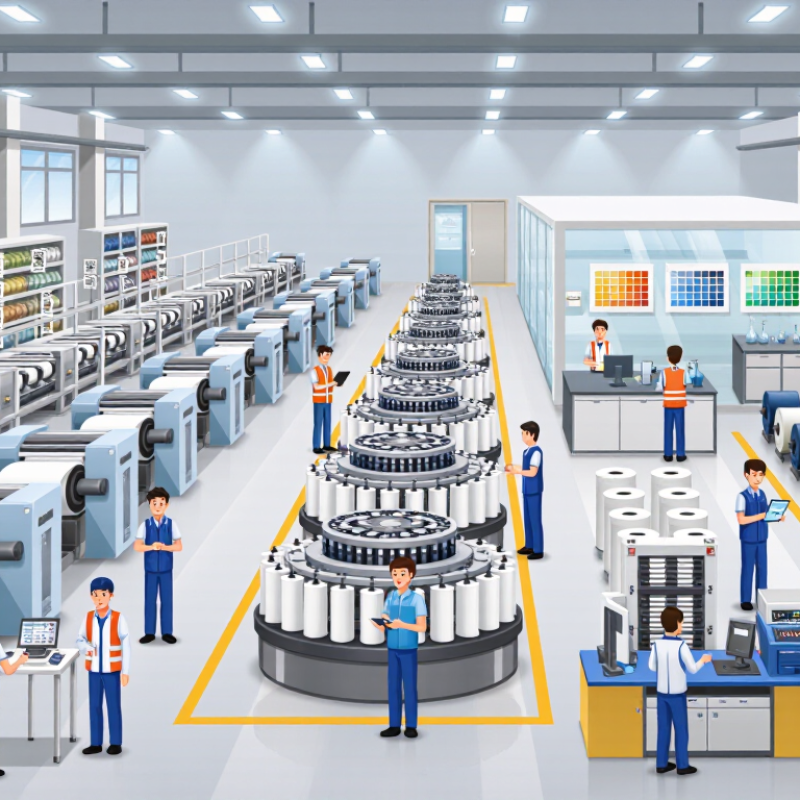
China’s textile processing manufacturers turn yarn or fabric into tested, finished material. They manage scouring, bleaching, dyeing, printing, coating, drying, and final finishing. Each stage affects shade, softness, shrinkage, and durability. In a practical order, technicians check a small lab dip before approving bulk production. That sample can still mislead.
The 2024 Materials Market Report from Textile Exchange estimates global fiber production reached about 124 million tonnes in 2023. Polyester represented roughly 57% of that volume. This scale explains why Chinese processors invest heavily in continuous dyeing lines, digital color systems, and polyester recycling processes. China Customs data also recorded approximately US$293.6 billion in textile and apparel exports during 2023. Processing capacity therefore supports both domestic supply chains and international orders.
Quality control is more than checking color under factory lighting. Manufacturers test fabric weight, pilling, tensile strength, colorfastness, and dimensional stability. They may also provide restricted-substance testing and wastewater records for buyer review. A reliable facility keeps batch cards, temperature logs, and inspection samples. Small details matter.
Yet no processing line is flawless. A humid warehouse can change fabric behavior, while different yarn lots may absorb dye unevenly. Experienced teams repeat tests, document deviations, and communicate problems before shipment. Buyers should question unusually perfect promises. A transparent manufacturer explains limits, correction plans, and realistic lead times.
What Textile Processing Manufacturers Do in China
China’s textile processing supply chain commonly covers fiber preparation, spinning, fabric formation, dyeing and finishing, and final product manufacturing. The chart shows the typical sequence of core processing stages rather than company or brand performance data.
Key Textile Processing Regions and Production Clusters
China’s textile processing industry is organized around dense regional clusters, not one single manufacturing center. Zhejiang is known for filament fabrics, dyeing, printing, and finished textile goods. Jiangsu has strong capabilities in weaving, home textiles, and technical fabric processing. These regions place mills, laboratories, trim suppliers, and logistics providers within practical reach.
Guangdong supports apparel processing and fast product development, especially for buyers needing flexible order coordination. Fujian combines knitting, sportswear fabric production, and garment manufacturing. Shandong remains important for cotton textiles, industrial fabrics, and large-scale processing. Each cluster has its own working rhythm. Factory visits often reveal differences in wastewater controls, sampling speed, and production discipline.
A reliable sourcing process should examine more than quoted prices. Buyers should verify fiber content, colorfastness, shrinkage, inspection records, and testing procedures before placing volume orders. A useful visit includes checking cutting rooms, dyeing equipment, storage conditions, and batch identification. Small details matter. A poorly labeled roll can create expensive delays. Regional specialization can reduce coordination time, but it does not guarantee consistent quality. Some suppliers still depend too heavily on manual checks, which deserves careful review. Production capacity claims also need evidence from recent orders, equipment records, and independent test results.
How to Evaluate Chinese Textile Processing Manufacturers
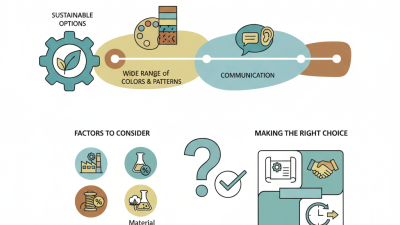
Choosing a Chinese textile processing manufacturer requires more than comparing prices.
Textile Exchange’s Materials Market Report 2024 estimated global fiber production at 124 million tonnes in 2023. That scale increases pressure on traceability, energy use, and material consistency. Ask where fibers, dyes, and finishing chemicals come from. Request batch records, production photos, and recent laboratory reports. A polished showroom is not enough.
I usually compare approved samples with production samples under the same lighting. Check shade variation, fabric weight, shrinkage, pilling, seam strength, and colorfastness. Require documented inspection points, not only a final visual check. ISO 9001 or ISO 14001 certification can support credibility, but certificates need verification and current scope. Textile Exchange also reported that recycled polyester represented a large share of recycled fiber production in 2023. Verify recycled claims through chain-of-custody documents.
Capacity claims deserve careful testing.
Review machine lists, monthly output, maintenance records, and peak-season lead times. The WTO’s World Trade Statistical Review identifies China as the leading exporter of textiles and clothing, but national scale does not guarantee factory-level reliability. Request a small pilot order before signing larger commitments. It may reveal weak communication or unstable finishing. I would also inspect wastewater controls and worker safety records through an independent audit. One weakness remains: remote assessments can miss subcontracting. Contract terms should require disclosure, traceability, and approval for processing changes.
Sourcing, Pricing, Logistics, and Buyer Considerations
China remains a major textile-processing base for global buyers. The WTO World Trade Statistical Review 2024 reported that China supplied about 31.6% of global textile exports in 2023. That scale supports broad fabric, dyeing, printing, and finishing capacity. However, factory capability differs sharply. Buyers should verify machinery age, monthly capacity, defect records, and wastewater controls before comparing quotations.
Pricing needs a practical cost sheet. Request separate figures for greige fabric, processing, testing, packaging, inland transport, and export handling. Cotton and energy costs can change quickly; the World Bank Commodity Markets Outlook tracks major commodity movements, but it does not replace a supplier-specific quotation. A low price can still be wrong. Ask for shrinkage, colorfastness, minimum order quantity, and payment terms in writing. I would also test a small production lot before approving bulk output. Samples often hide production weaknesses.
Logistics planning is equally important. UNCTAD’s Review of Maritime Transport 2024 states that ships carry over 80% of global merchandise trade by volume. Port congestion, container shortages, and route changes can still extend delivery windows. Buyers should confirm the loading port, carton dimensions, HS classification, inspection date, and agreed Incoterm. Build a buffer into the schedule. It may feel inefficient. It is usually cheaper than missing a seasonal launch. Third-party laboratory testing adds cost, yet it improves evidence when quality disputes arise. Supplier audits should include worker safety, traceability, and chemical-management records, not only production speed.