
Colourinn Industries – Textile & Dyes Auxiliaries Manufacturer & Exporter

Blog

  1. Home
  2. /
  3. Blog

What Are the Top Bicycle Socks Trends for 2026?

Bicycle Socks are moving beyond bright colors and team logos in 2026. Riders now expect precise fit, quick drying, and comfort during long hours in the saddle. The strongest designs may combine recycled nylon, lightweight merino, and breathable mesh panels. Some brands are also testing bio-based fibers and lower-impact dyeing methods.

Phil Burt, a respected cycling performance consultant and former British Cycling head physiotherapist, has often stressed, “Comfort is part of performance.” That principle matters here. A sock that bunches beneath the arch can create pressure after thirty miles. A loose cuff can slide inside a shoe. These small failures become impossible to ignore during a hot climb or wet commute.

This guide will examine the top Bicycle Socks trends for 2026, including seamless toes, targeted compression, and climate-specific construction. Reflective yarn may improve visibility without adding bulky strips. Antimicrobial treatments could help, although they should not replace regular washing. Smart textiles sound promising, yet their real value remains uncertain for ordinary riders. Not every innovation deserves a place in the drawer.

The best trends will probably be quieter. They will fit securely, manage sweat, and survive repeated washing. Personal experience still matters. A laboratory-tested fabric may feel excellent on paper but irritating by mile forty. That gap deserves attention. Our discussion will compare materials, fit, sustainability, and practical performance, helping riders choose Bicycle Socks with clearer expectations.
What Are the Top Bicycle Socks Trends for 2026?

2026 Bicycle Sock Trends: Materials, Construction, and Performance Goals

What Are the Top Bicycle Socks Trends for 2026?

2026 bicycle socks will focus on smarter materials, cleaner construction, and measurable comfort. Textile Exchange’s 2024 Materials Market Report estimates global fiber production reached 132 million tonnes in 2023. It may reach 160 million tonnes by 2030. This pressure is pushing sock developers toward recycled polyester, recycled polyamide, and lower-impact blends. Merino remains useful for temperature control, but it can dry slower during intense summer rides. No fiber solves every problem.

Construction is becoming more technical. Seamless toe zones can reduce rubbing near the toes, while targeted mesh panels improve airflow over the instep. Graduated compression may support a secure, stable feel, although its performance depends on pressure levels and rider preference. Cushioning is also becoming more selective. A thin forefoot can improve pedal contact, while a denser heel and sole protect against repeated friction. The 2024 Sports & Fitness Industry Association participation report shows continued interest in cycling activities, increasing demand for durable daily equipment. However, durability claims still need independent testing. Marketing language often runs ahead of evidence.

Tips: Choose yarns for your climate, not fashion alone. Check toe seams, arch support, and wash-care instructions. Test one pair on a short ride first. That small step matters.

How Climate-Adaptive Fabrics Are Changing Cycling Sock Design

What Are the Top Bicycle Socks Trends for 2026?

How Climate-Adaptive Fabrics Are Changing Cycling Sock Design

Hotter roads and sharper weather swings are pushing cycling socks beyond basic moisture control. The World Meteorological Organization’s State of the Global Climate 2024 reported that 2024 was the warmest year recorded, at about 1.55°C above pre-industrial levels. That matters for riders facing cold starts, humid climbs, and sudden rain in one journey.

Climate-adaptive designs now combine different yarn zones within one sock. Hydrophobic fibers can move sweat away from the skin, while hydrophilic sections help manage moisture during long efforts. Merino blends add insulation without creating a bulky fit. Some experimental fabrics use phase-change materials, which absorb or release heat as body temperature changes.

The idea sounds clever. It is not magic.

In practical testing, a sock must dry quickly after a soaked descent and still feel stable inside the shoe. Mesh ventilation around the instep can reduce heat buildup, but excessive openness may expose toes to wind chill. Compression zones also need careful calibration. Too much pressure can create discomfort, especially when feet swell during endurance rides.

Textile Exchange’s 2024 Materials Market Report recorded global fiber production at 124 million tonnes in 2023, highlighting the need for durable, lower-impact material choices. Recycled fibers may help, though durability and elastic recovery still deserve closer scrutiny. A lighter sock is not automatically a better sock.

The Rise of Sustainable Fibers and Low-Waste Manufacturing

What Are the Top Bicycle Socks Trends for 2026?

Sustainable fibers are becoming central to bicycle socks in 2026. Recycled polyamide can reduce reliance on virgin resources while preserving stretch and abrasion resistance. Recycled polyester also supports quick drying during long rides. Some manufacturers are blending these fibers with responsibly sourced merino wool for softness and temperature control. The balance matters. A greener material is not automatically better if it wears out quickly.

Low-waste manufacturing is changing how socks are produced. Computer-controlled knitting can create the heel, toe, and arch support with fewer cut-off scraps. Better yarn planning also reduces unused cones and production waste. Some factories are testing mono-material designs, which may simplify future recycling. However, recycling systems for worn socks remain limited in many regions. That gap deserves more attention.

For riders, durability should remain a practical measure of sustainability. A sock should keep its shape after repeated washing, resist heel thinning, and dry without holding unpleasant odors. Look for clear fiber percentages and credible supply-chain documentation. Independent testing can verify moisture management, colorfastness, and seam strength. Field feedback is still valuable. A laboratory result cannot fully imitate gravel dust, hot pavement, or a wet descent. The transition is promising, but not perfectly clean. Even recycled fibers may release tiny particles during washing, so cooler cycles and laundry filters can help reduce the impact.

What Are the Top Bicycle Socks Trends for 2026?

The shift toward sustainable bicycle socks is reflected in the wider fiber market. In 2023, polyester remained the dominant fiber, while recycled and bio-based alternatives continued gaining attention as manufacturers worked to reduce material waste and improve product durability.

Global fiber production shares in 2023. The data highlights the scale of conventional fibers and the opportunity for lower-impact fibers, recycled inputs, and more efficient cutting and knitting processes in future bicycle-sock production.

Source: Textile Exchange, Materials Market Report 2024.

Fit, Compression, and Comfort Features in Modern Bicycle Socks

The 2026 bicycle sock trend is moving toward precise fit, not louder styling. The SFIA 2024 Topline Participation Report recorded 54.7 million U.S. bicycle participants in 2023. That expanding audience expects socks to feel almost invisible.

A secure cuff should stay flat without leaving deep marks. Arch support can reduce fabric movement during long rides. Experienced riders often check heel placement before buying compression socks. If the heel slips, the claimed performance means little.

I still find sizing charts inconsistent. That needs more attention.

Compression is becoming more measured. A 2023 review in Sports Medicine found that compression may support recovery, but performance gains remain mixed. Modern designs should offer graduated pressure, breathable mesh, and smooth toe seams. The Outdoor Industry Association’s 2024 Trends Report counted 175.8 million U.S. outdoor participants in 2023, showing why comfort now matters beyond racing. Merino blends, recycled fibers, and quick-drying panels help manage damp feet. Small details matter. Too much compression can feel restrictive, especially in warm weather. Testing socks after three hours, not ten minutes, gives a more honest result.

Colors, Graphics, and Personalization Trends for 2026 Riders

What Are the Top Bicycle Socks Trends for 2026?

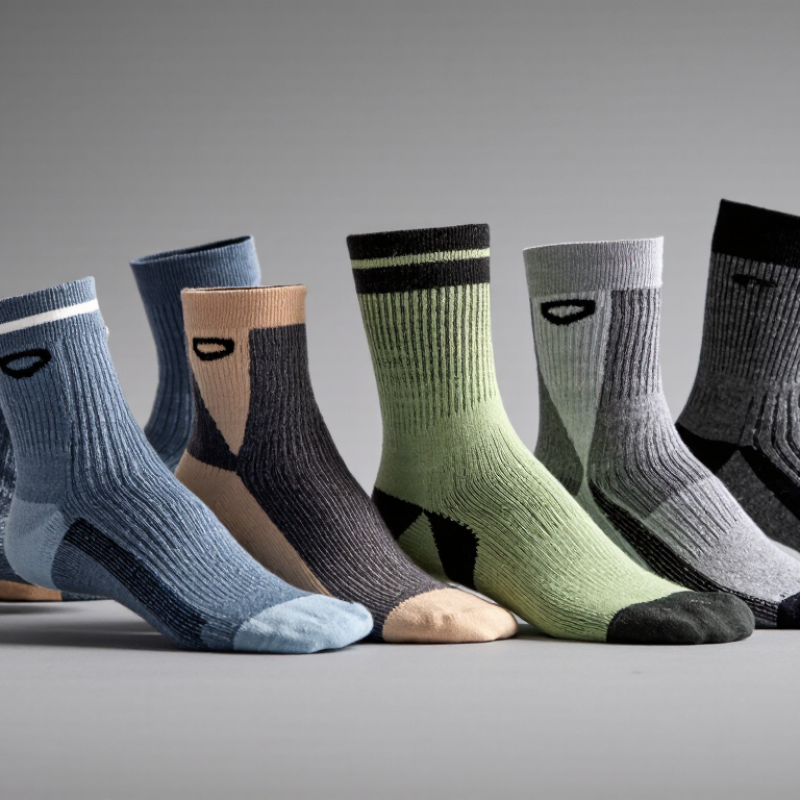
Bicycle socks are becoming small, visible pieces of riding identity. In 2026, expect mineral green, cobalt blue, burnt orange, and soft lilac to compete with classic black. These colors reflect outdoor fashion’s shift toward expressive, versatile clothing. Grand View Research projects the global sports apparel market to grow at a 6.8% CAGR from 2024 to 2030. That growth encourages more experimentation in accessories.

Visibility remains practical, not merely fashionable. The Outdoor Industry Association’s 2024 Outdoor Participation Trends Report recorded more than 50 million U.S. cycling participants. Bright ankle panels, reflective threads, and high-contrast graphics may help riders stand out during low-light commutes. Graphic language is also changing. Tiny route maps, elevation lines, weather icons, and regional symbols feel more personal than oversized logos. Some designs look too busy, though.

Personalization will likely move beyond initials. Riders may choose sock height, cuff color, terrain graphics, and limited seasonal patterns through digital ordering tools. The 2024 McKinsey State of Fashion analysis highlights growing demand for individualized products and stronger value from versatile purchases. A useful fitting lesson is simple: graphics should not distort when the sock stretches. That mistake still happens. Designers also need to test colors after repeated washing, because vivid dyes can fade quickly. Personal style matters, but comfort, breathability, and secure compression remain non-negotiable for serious riding.