
Who Are the Top 10 Slim Fit Pique Polo Suppliers in China?
A Slim Fit Pique Polo can look polished on a hanger and feel restrictive by lunchtime. The difference often comes down to small choices: pique weight, shoulder shape, sleeve opening, and a collar that keeps its edge. Design authority Charles Eames once said, “The details are not the details. They make the design.” That idea suits this garment well. Small details matter.
China offers a wide range of polo manufacturers, from factories focused on bulk production to suppliers offering custom fabrics, trims, and private-label support. This guide examines ten suppliers through practical buying criteria: product development experience, fabric options, fit consistency, sample quality, communication, and production transparency. A clear size chart helps, but it cannot replace checking a sample on a real wearer. That takes testing.
A useful supplier should explain how its Slim Fit Pique Polo is constructed, not just promise a fashionable cut. Ask about fabric composition, shrinkage checks, collar reinforcement, and how measurements are controlled between sizes. Then compare the sample after washing and wearing it. The process can be imperfect; even a neatly presented sample may not reflect bulk production. That is worth remembering. Supplier claims need verification, and a low quote alone tells little about final quality. The following list is a starting point for research, not a substitute for requesting current specifications, samples, and production details. A comfortable fit should still allow movement. Small compromises show quickly.
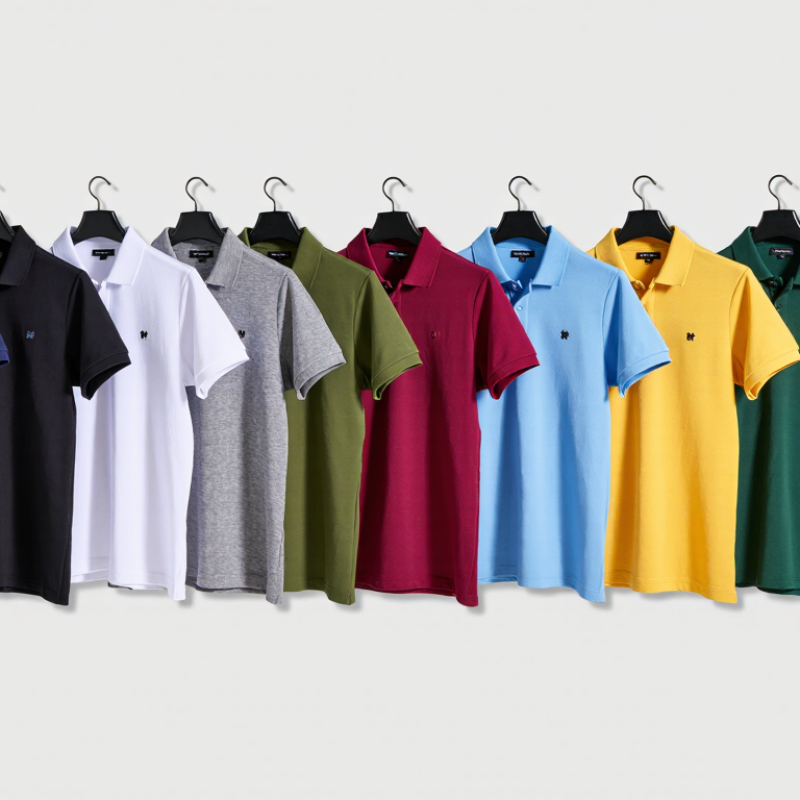
What Defines a Slim Fit Pique Polo and Its Key Specifications
A slim fit pique polo combines a closer silhouette with the raised, textured surface of pique knit. Small waffle-like cells help the fabric feel less flat against the skin. Slim does not mean tight. A well-cut shirt should allow comfortable movement across the chest and shoulders, without excess fabric gathering at the waist.
Common fabric weights range from about 180 to 220 grams per square metre, though climate and yarn choice affect the best option. Cotton offers a soft hand; cotton-polyester blends can improve shape retention and drying time. Check the fabric composition, finished garment measurements, and shrinkage after washing. Fit labels are not standardized. A medium from one supplier may measure differently from another.
For a practical specification, request chest, waist, shoulder, and body-length measurements in centimetres, plus the tolerance for each point. A difference of one or two centimetres can change the fit. Inspect collar recovery, placket alignment, and stitching at the sleeve openings. Ask for a wash-tested sample. It may still feel different in bulk production, so approval should include fabric, colour, and measurements. Specify colourfastness and shrinkage targets in writing, then verify them with test results rather than relying on appearance alone.
Who Are the Top 10 Slim Fit Pique Polo Suppliers in China? - What Defines a Slim Fit Pique Polo and Its Key Specifications
The table below is a supplier-neutral sourcing checklist, not a ranking of named companies. Specifications are indicative buyer benchmarks; final requirements should be confirmed with the supplier, approved samples, and the buyer’s size and testing standards.
| No. | Specification or Supplier Check | Typical Buyer Benchmark | How to Verify |
|---|---|---|---|
| 1 | Piqué fabric construction | Textured pique knit; commonly selected around 180–220 g/m², depending on season, hand feel, and intended use. | Request a fabric swatch, construction details, and measured fabric weight. |
| 2 | Fiber composition | Common options include 100% cotton or cotton blends with polyester or elastane; the blend should match the required comfort, recovery, and care performance. | Confirm the composition on the specification sheet and use an agreed laboratory test when required. |
| 3 | Slim-fit pattern and measurements | A closer body and sleeve shape than a regular fit, defined through a buyer-approved measurement chart and graded size set; there is no single universal slim-fit measurement standard. | Review a fit sample on the intended fit model and check the full size set against the approved chart. |
| 4 | Collar and cuff construction | Knitted collar and sleeve cuffs should retain their shape and have a consistent appearance; rib composition and dimensions should be specified. | Check collar dimensions, stripe or color matching, attachment, and appearance after laundering. |
| 5 | Placket and buttons | Placket width, button count, button size, spacing, and button material should follow the approved design specification. | Inspect the pre-production sample for alignment, secure attachment, and consistency with the approved trim list. |
| 6 | Shrinkage and dimensional stability | Set an explicit buyer limit, such as no more than 5% dimensional change after the agreed wash procedure; the acceptable limit depends on the product specification. | Test samples using an agreed laundering method, such as ISO 6330, and record length and width changes. |
| 7 | Colorfastness | Set required performance levels for washing, rubbing, and perspiration according to the end market and buyer’s testing protocol. | Request test reports against agreed methods, such as relevant ISO 105 series tests, and review the acceptance criteria. |
| 8 | Seams and workmanship | Specify seam type, stitch appearance, seam security, and tolerance for loose threads, skipped stitches, puckering, and open seams. | Use a written inspection checklist and inspect samples or production against agreed workmanship criteria. |
| 9 | Sampling and production control | A supplier should be able to manage a documented sample-approval process, confirm production materials, and provide inspection arrangements appropriate to the order. | Ask for a sample timeline, approval checkpoints, and a written inspection plan before confirming production. |
| 10 | Labeling and compliance documentation | Care, fiber-content, and origin labeling should meet the destination market’s applicable rules; any restricted-substance or social-compliance requirements should be stated by the buyer. | Confirm label artwork and request relevant, current documentation for the specified product and market. |