
Colourinn Industries – Textile & Dyes Auxiliaries Manufacturer & Exporter

Blog

  1. Home
  2. /
  3. Blog

10 Tips for Choosing the Best Weaving Yarn?

Choosing the best Weaving Yarn is not a minor purchasing decision. It affects texture, strength, drape, production speed, and customer satisfaction. A beautiful cone can still create uneven edges, excessive fuzz, or frustrating loom breaks.

Textile Exchange reported that global fiber production reached approximately 124 million tonnes in 2023. The organization expects this figure to approach 160 million tonnes by 2030. That growth makes material selection more important, especially when buyers compare cotton, wool, linen, recycled fibers, and blended yarns. Fiber origin, twist, thickness, moisture behavior, and finishing methods deserve careful attention. The Material Change Insights report also emphasizes traceability and responsible sourcing across textile supply chains. These concerns are not abstract. They appear as broken strands, inconsistent tension, and unclear product labels.

William Morris, the influential British textile designer, said, “Have nothing in your houses that you do not know to be useful, or believe to be beautiful.” His principle still suits modern yarn selection. A yarn should perform well and look intentional. Neither feature is enough alone. Experienced weavers often test a small sample before ordering larger quantities. That practical step can reveal snagging, color bleeding, stiffness, or poor recovery. Yet even experienced makers make mistakes. A soft yarn may lack durability. A strong yarn may feel harsh. This guide explores ten useful tips for choosing Weaving Yarn, while acknowledging that the “best” option depends on the loom, project, technique, and intended use. Data sources: Textile Exchange, Materials Market Report 2024; Textile Exchange, Material Change Insights 2024.
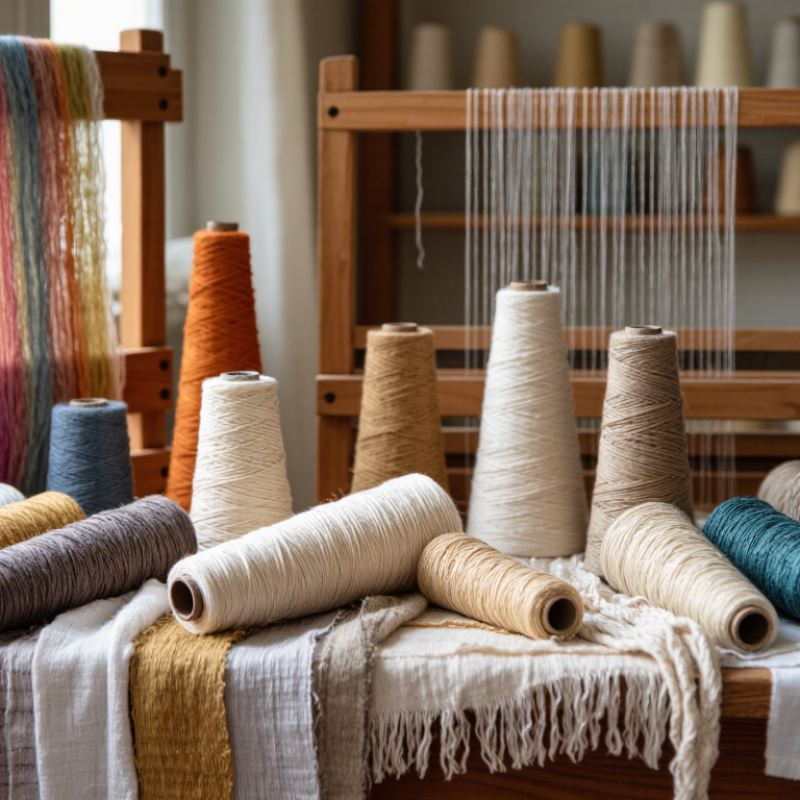
10 Tips for Choosing the Best Weaving Yarn?

Define the Project’s Purpose, Structure, and Weaving Requirements

Choosing the best weaving yarn starts with a clear definition of the project’s purpose. Purpose comes first. A wall hanging, table runner, and winter scarf need different yarn behavior. Decide whether the finished piece must feel soft, hold its shape, resist abrasion, or create visual texture. For a scarf, I usually examine skin comfort, warmth, and drape. For a basket, strength and low stretch matter more. Color is important, but it should not hide weak performance.

Next, study the structure you plan to weave. Plain weave exposes both warp and weft, so uneven yarn can create visible bumps. Twill may tolerate more texture, while open structures often need a stable warp. Check yarn thickness against the sett, or the number of ends per inch. A thick yarn packed too tightly can make the fabric stiff and difficult to beat. A loose sett may produce gaps and poor coverage. Measure carefully.

Weaving requirements also include twist, fiber length, moisture response, and finishing. A tightly spun yarn usually creates sharper lines, while a loosely spun yarn adds softness and a fuzzy surface. Sample first. Test a small section with the intended sett, beat, and washing method. I once chose a beautiful, soft yarn that stretched during finishing and distorted the edges. That mistake stayed with me. Record the sample’s width, handle, and shrinkage before buying enough yarn. Test before committing.

Compare Yarn Fibers, Textures, Strengths, and Surface Qualities

Choosing the best weaving yarn starts with fiber behavior, not color. Cotton offers a dry hand, moderate strength, and a soft, matte surface. Linen feels cooler and crisper, while its slubs create visible texture. Wool adds elasticity, warmth, and a gently raised surface. Synthetic fibers usually provide strong abrasion resistance, smoothness, and dimensional stability.

Textile Exchange’s Materials Market Report 2024 estimates global fiber production reached 124 million tonnes in 2023. It may approach 160 million tonnes by 2030. That growth makes fiber traceability and performance claims worth checking carefully. Ask for test data, not vague promises. ISO 2062 tensile testing can indicate yarn strength, while abrasion testing helps predict surface wear. For a sturdy warp, choose a yarn with consistent diameter and low stretch. For a soft weft, prioritize hand feel and controlled hairiness. A fuzzy yarn can create a beautiful halo. It can also hide uneven edges.

Texture changes the fabric’s visual rhythm. Smooth yarns reveal clean geometry. Slubbed yarns create lively irregularity. That irregularity is attractive, but it may complicate sett calculations. Check twist as well. Higher twist often improves cohesion and clarity, though excessive twist can make cloth feel hard. I sometimes overvalue softness during sampling. After washing, weak yarns may pill, flatten, or lose their character. Make a small sample, wash it, and inspect the surface under direct light. Five minutes can expose more than a product description.

10 Tips for Choosing the Best Weaving Yarn: Compare Yarn Fibers, Textures, Strengths, and Surface Qualities
Tip Yarn Fiber Texture and Hand Feel Relative Strength Surface Quality Moisture and Care Best Weaving Use Selection Advice
1 Cotton Soft to moderately crisp; available in smooth, mercerized, or slubby forms. Medium Matte to softly lustrous; produces clear, stable woven structures. Absorbs moisture well and becomes weaker when wet; generally easy to wash, depending on construction. Towels, table linens, lightweight clothing, and balanced plain-weave fabrics. Choose a tightly spun cotton when abrasion resistance and a clean shed are important.
2 Linen Cool, dry, and firm with a characteristic natural crispness; softens with use. High Natural slubs and a dry, slightly irregular surface create visual texture. Absorbs moisture readily and is stronger when wet; may wrinkle and shrink if untreated. Summer textiles, runners, scarves, durable household fabrics, and rustic designs. Use for a structured fabric, but allow for shrinkage and expect a less uniform appearance.
3 Wool Springy, warm, and resilient; ranges from smooth fine yarns to bulky hairy yarns. Medium Often soft and slightly fuzzy, with natural loft and excellent visual depth. Absorbs moisture vapor without feeling immediately wet; can felt with heat, agitation, and moisture. Blankets, rugs, outerwear, textured wall hangings, and insulating fabrics. For sharper patterns, select a smooth, firmly spun wool rather than a very lofty yarn.
4 Silk Smooth, fluid, and cool to the touch; fine yarns can feel delicate. Medium to high Distinctive natural sheen with excellent color depth and elegant drape. Moisture absorbent but sensitive to prolonged sunlight, strong alkalis, and rough abrasion. Scarves, decorative panels, fine garments, supplementary weft, and luxurious accents. Use a silk yarn when luster and drape matter more than a rugged, workwear-like surface.
5 Hemp Firm and dry with a pronounced natural body; softens through washing and wear. High Typically matte, slightly irregular, and linen-like with visible natural character. Absorbs moisture and tolerates frequent use; may require careful finishing to reduce stiffness. Durable bags, home textiles, runners, baskets, and rustic or sustainable-looking fabrics. Choose hemp for longevity and texture, but avoid it when a very soft hand is required immediately.
6 Rayon / Viscose Soft, smooth, and fluid with a cool hand; often less springy than natural staple fibers. Low when wet Can be lustrous and drapey, with a surface that often resembles silk or cotton. Common viscose rayon loses substantial strength when wet and may stretch or distort during care. Decorative weft, drapey apparel, scarves, and fabrics where softness is a priority. Use a stable warp and handle the yarn gently, especially during wet finishing.
7 Polyester Smooth to slightly slick; can be engineered as filament, spun, textured, or elastic-like yarn. High Usually even and colorfast, ranging from matte to shiny depending on yarn structure. Low moisture absorption, quick drying, and generally good resistance to shrinking and wrinkling. High-use textiles, outdoor applications, upholstery accents, and durable experimental weaves. Choose polyester when dimensional stability, abrasion resistance, and easy care are priorities.
8 Nylon / Polyamide Smooth, flexible, and resilient; fine filaments can feel silky or slightly slippery. Very high Can be bright and smooth, although textured versions provide a softer, fuller appearance. Low moisture absorption, quick drying, and good resistance to abrasion; may be affected by heat and sunlight over time. Warp yarns, durable bags, technical textiles, and areas exposed to repeated friction. Use a moderate sett and control tension because slippery filament yarns can shift or spread.
9 Acrylic Lightweight and wool-like, often lofty and warm with a soft synthetic hand. Medium Usually matte or softly colored; may pill when exposed to repeated rubbing. Low moisture absorption, quick drying, and generally easy care; excessive heat can damage or distort it. Blankets, wall hangings, colorful craft textiles, and economical bulky weaves. Use a tightly spun or low-pilling construction when the finished textile will receive frequent abrasion.
10 Blended Yarn Combines properties of two or more fibers; texture and elasticity depend on the blend ratio and spinning method. Variable Can balance matte and lustrous effects, softness and crispness, or smooth and irregular surfaces. Care requirements follow the most sensitive fiber and the yarn’s finishing process. Multi-purpose fabrics requiring a compromise between durability, comfort, cost, and appearance. Check the fiber percentages, twist, yarn size, and shrinkage behavior instead of judging by fiber name alone.

Match Yarn Weight, Thickness, and Density to the Loom Setup

Tip 1: Match yarn weight to the loom’s working width.

A fine yarn suits a narrow reed and delicate cloth. Thick yarn needs wider spacing, stronger heddles, and gentler beating. If the sett is too dense, the fabric feels stiff and the shed may close early. If it is too open, gaps remain visible.

Textile Exchange’s Materials Market Report 2024 estimates that global fiber production reached 124 million tonnes in 2023. This scale makes fiber choice important, but yarn thickness still controls loom performance. Check the yarn label, then measure its diameter under light tension. Do not trust appearance alone. Two yarns with similar thickness can have different density, twist, and elasticity.

Tip 2: Calculate sett before warping.

For balanced plain weave, a practical starting point is ends per inch close to the yarn’s wraps-per-inch count. Test a small sample first. ASTM D1059 supports measuring yarn linear density through standardized length and mass methods, while the Craft Yarn Council’s weight system helps compare common yarn categories.

In my studio, I often begin too dense. It creates beautiful definition, but the cloth becomes stubborn. That mistake taught me to test beat, not just count.

Tip 3: Watch the reed, heddle, and warp tension together.

A heavy yarn in a light loom can strain the frame, while a fine yarn on a coarse setup may disappear between dents. Five minutes of sampling can prevent hours of rewarping.

Evaluate Color, Dye Stability, and Compatibility with Other Materials

Choosing the Best Weaving Yarn: Color, Dye Stability, and Material Compatibility

Color

Color should be judged under daylight, not only under shop lighting. A deep blue skein may appear black beside pale cotton. I compare yarn cards, twist samples, and wet swatches before ordering.

Textile Exchange’s 2024 Materials Market Report records 124 million tonnes of global fiber production in 2023. That scale makes responsible material selection increasingly important, even for small weaving projects. Test color transfer with a damp white cloth. If the cloth picks up pigment, the yarn may stain neighboring fibers.

Dye Stability

Dye stability needs practical testing. Wash a small woven sample using the intended water temperature and detergent. Check fading, bleeding, and changes after drying.

ISO 105-C06 provides standardized laundering methods for assessing textile colorfastness. AATCC testing guidance also separates washing, rubbing, light, and perspiration performance. No single test predicts every home environment.

I have trusted a strong-looking yarn that weakened after repeated wet handling. That mistake still influences my sample process.

Material Compatibility

Compatibility involves more than matching colors. Compare fiber shrinkage, surface friction, elasticity, and required finishing methods.

Wool may felt beside smooth linen, while metallic or heavily coated fibers can abrade delicate yarns. Keep the sett and yarn thickness reasonably balanced. Uneven tension creates ridges, gaps, and disappointing edges.

I sometimes choose a less vibrant shade because it behaves better beside another material. The final texture matters.

Check Yarn Quality, Care Needs, Cost, and Supplier Reliability

10 Tips for Choosing the Best Weaving Yarn

Tip 1: Inspect the yarn closely. Look for even thickness, clean fibers, and consistent color. A small sample can reveal weak spots. Tip 2: Test its strength by pulling a short strand gently. Tip 3: Check surface softness, but do not confuse softness with durability. Tip 4: Weave a small test piece before ordering in bulk. Watch for fraying, stretching, or uneven tension. I once trusted a smooth sample too quickly. It performed poorly after repeated handling.

Tip 5: Read the care instructions carefully. Some yarns shrink, fade, or lose shape after washing. Tip 6: Wash the test piece using the intended method. Measure it before and after drying. Tip 7: Match care needs with the final product. A decorative wall hanging may tolerate delicate cleaning, while table textiles need easier maintenance. Tip 8: Compare total cost, not only the price per spool. Include shipping, waste, tools, and replacement yarn. Cheap yarn can become expensive when breakage creates delays.

Tip 9: Review the supplier’s reliability. Check stock accuracy, delivery times, minimum order quantities, and communication speed. Ask for technical details and recent batch information. Tip 10: Choose suppliers who explain problems clearly and provide consistent documentation. Request a sample from the same production batch when possible. Perfect consistency is uncommon, so leave extra time for testing and corrections.

10 Tips for Choosing the Best Weaving Yarn

Use this 100-point evaluation framework to compare yarn quality, care requirements, cost, and supplier reliability before purchasing.

Yarn performance should receive the greatest attention because fiber content, strength, evenness, and colorfastness directly affect weaving results. Care requirements, total cost, and supplier reliability complete the purchasing decision.