Blog
- Home
- /
- Blog
What is Textile Turkey and its Impact on the Global Market?
Textile Turkey has emerged as a significant player in the global textile market. With its rich history and skilled labor force, the country has positioned itself as a hub for textile production. Expert Anna Ferah, a leading analyst in the textile sector, once stated, "Textile Turkey is shaping trends and meeting demands worldwide." This captures the essence of its influence.
The vibrant textile industry in Turkey thrives on innovation and quality. Global brands increasingly rely on Turkish manufacturers for their fabric needs. However, challenges persist, including competition from lower-cost countries. This raises questions about sustainability and ethical production practices within the sector. As the industry grows, stakeholders must reflect on the balance between profit and responsibility.
Textile Turkey's impact extends beyond production. It influences fashion trends and sustainability conversations. As consumers become more aware, expectations rise. The industry must adapt to these changing dynamics, ensuring it remains relevant in a competitive global landscape.
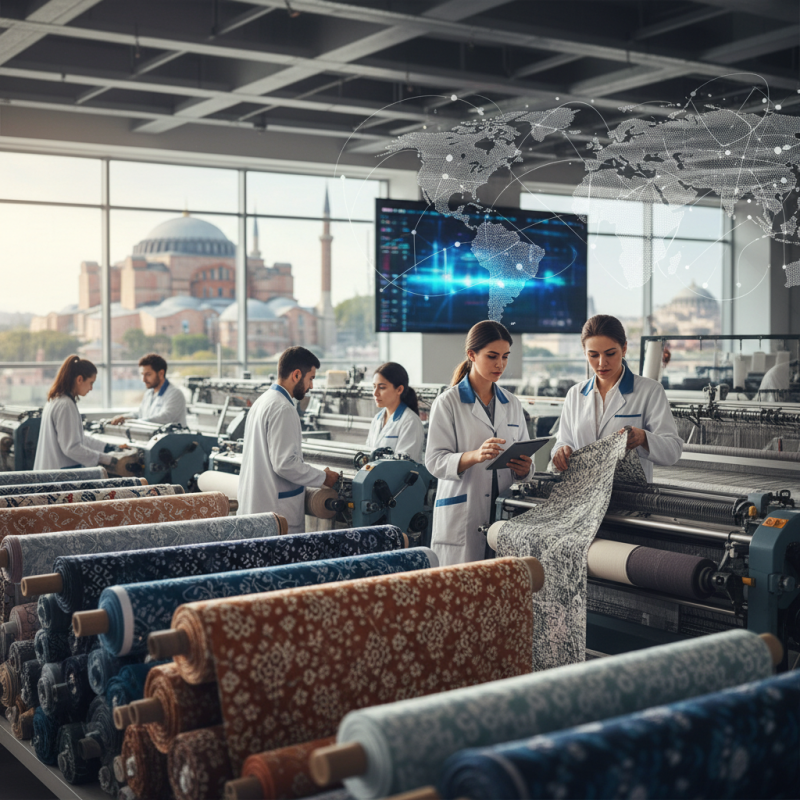
Overview of Textile Turkey: History and Development
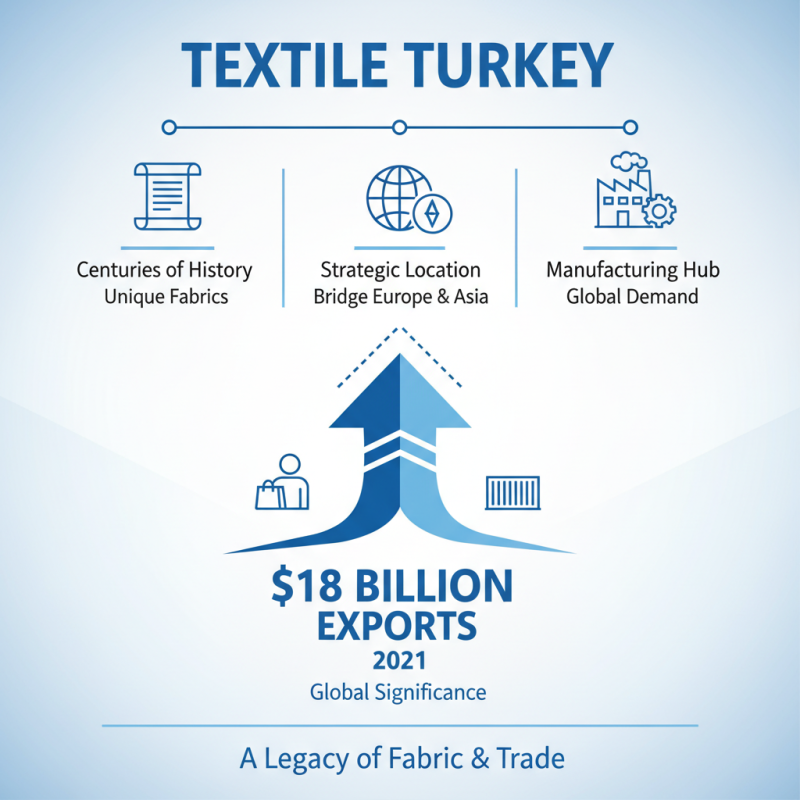
Textile Turkey has a rich history that dates back centuries. It has long been recognized for its unique fabric production. The country's strategic location between Europe and Asia has facilitated trade. Over the years, Turkey became a hub for textile manufacturing, driven by both domestic and international demand. In 2021, the Turkish textile and apparel sector generated around $18 billion in exports, highlighting its global significance.
The development of Textile Turkey is closely linked to industrial advancements. The modernization of production techniques has enhanced efficiency. However, challenges remain. Many factories struggle with sustainability practices. A 2020 report indicated that about 20% of textile manufacturers did not meet eco-friendly standards. This raises concerns about the industry's long-term impact.
Despite these challenges, the potential for growth in Textile Turkey is significant. The country is investing in technology to improve product quality. According to industry experts, the global market for textiles is projected to reach $1 trillion by 2024. Turkey aims to capture a larger share of this market. However, the balance between growth and sustainability will require ongoing reflection and effort.
Key Industries and Players in Turkey's Textile Sector
Turkey's textile sector plays a crucial role in the global market. It combines rich cultural heritage with modern techniques. In Turkey, textiles range from cotton to wool. The country is known for its vast production capabilities and skilled workforce. Factories and artisans work together to create various textiles. This synergy enhances innovation and quality.
Key players in Turkey's textile industry include manufacturers, exporters, and wholesalers. Many companies focus on sustainable practices. However, some struggle with consistency in quality and production speed. There is a noticeable gap between large and small producers. Large firms often dominate market share. Small businesses face challenges in scaling up. Their unique products receive less attention, even if they showcase creativity.
The impact of Turkey's textile sector is significant and multifaceted. It contributes to the economy and provides employment. Environmental concerns also arise in this highly competitive field. Industries need to reflect on their practices. Balancing growth with sustainability remains a pressing issue. Addressing these challenges could enhance Turkey's standing in the global textile market.
What is Textile Turkey and its Impact on the Global Market?
| Category | Value (in billion USD) | Growth Rate (%) | Key Export Markets |
|---|---|---|---|
| Overall Textile Sector | $28.3 | 4.5 | EU, US, Middle East |
| Apparel and Garments | $16.5 | 5 | Germany, Italy, Spain |
| Textile Machinery | $3.2 | 3 | China, Bangladesh, India |
| Home Textiles | $8.6 | 4.2 | US, UK, France |
| Technical Textiles | $2.5 | 6 | Automotive, Healthcare, Construction |
Turkey's Role in the Global Textile Supply Chain
Turkey plays a significant role in the global textile supply chain. In 2022, the Turkish textile and apparel sector was valued at approximately $21 billion. This figure represents around 5% of the country’s GDP. Turkey is not just a manufacturing hub; it is a central node connecting Europe and Asia. This strategic position offers advantages that facilitate quicker shipment times compared to other countries.
Over 70% of Turkey's textile exports go to European markets. European countries appreciate Turkey's proximity, enabling shorter delivery times. This is crucial for brands seeking to reduce lead times. The country also benefits from a skilled workforce, resulting in high-quality production. Reports indicate that over 1.5 million people are employed in the textile sector. However, there are challenges as well. Sustainability issues arise from fast fashion demands and waste management.
While Turkey excels in textiles, it must address these environmental concerns. The industry faces scrutiny over water usage and pollution. Responsibly managing resources is increasingly vital for market competitiveness. Companies are urged to adopt greener practices to align with global standards. Turkey's future in textiles hinges on overcoming these challenges while maintaining its crucial supply chain role.
Textile Turkey's Contribution to the Global Textile Market
The bar chart above illustrates the significant aspects of Turkey's textile industry. The export value indicates Turkey's strong position in the global market, while the market share and production volume demonstrate its contribution to the global textile supply chain. With a strategic geographical location and a robust manufacturing base, Turkey continues to be a key player in the global textile industry.
Economic Impact of Textile Exports on Turkey's Economy
Textile Turkey plays a significant role in the global market. The country's textile exports contribute immensely to its economy. In recent years, the sector has grown rapidly, generating jobs and boosting local industries. Many small businesses benefit from this expansion. Yet, there are challenges.
Economic fluctuations affect demand. Depending on global trends, exports can fluctuate. Such changes can impact local economies. On the one hand, textile exports increase national income. On the other, they expose the economy to external shocks. This volatility raises concerns among industry stakeholders.
Sustainability is another pressing issue. The textile industry has a reputation for environmental impact. Efforts to promote sustainable practices are ongoing, but implementation is uneven. Some businesses take the lead, while others lag. The inconsistency in adopting green methods raises questions about long-term viability. Balancing growth and sustainability will be crucial for Turkey's textile sector moving forward.
Future Trends and Challenges in Turkey's Textile Industry
Turkey's textile industry faces significant trends and challenges as it positions itself in the global market. The country ranks among the top five textile exporters in the world, with exports valued at around $30 billion in 2021. However, it grapples with increasing competition from countries like Bangladesh and Vietnam, which offer lower production costs.
A major challenge is sustainability. The industry must address environmental concerns tied to textile production. Reports indicate that the textile sector generates 1.2 billion tons of CO2 emissions annually. Turkish manufacturers are under pressure to adopt greener practices. Investments in eco-friendly technologies and sustainable materials are becoming essential.
Moreover, the skilled labor shortage poses another challenge. Despite a robust tradition of textile craftsmanship, fewer young people are entering the industry. This can hinder innovation and reduce competitiveness. To adapt, Turkey's textile sector may need more educational programs focused on technical skills. Balancing tradition with modernity is crucial for future success.
Related Posts
-
Comprehensive Guide to Textile Dyeing Chemicals List for Professionals
-

2026 Top Dyeing Textile Process Techniques You Should Know?
-
How to Succeed in the Bangladesh Textile Industry: Tips and Strategies
-

Top 10 Best Textile Auxiliary Chemicals for Optimal Fabric Performance?
-

2025 Top 10 Types of Dyes Revolutionizing the Textile Industry
-

What is Textile Auxiliary Chemicals and Their Importance in Fabric Production?