
Blog
- Home
- /
- Blog
Why Are Textile Finishing Chemicals Essential for Manufacturers?
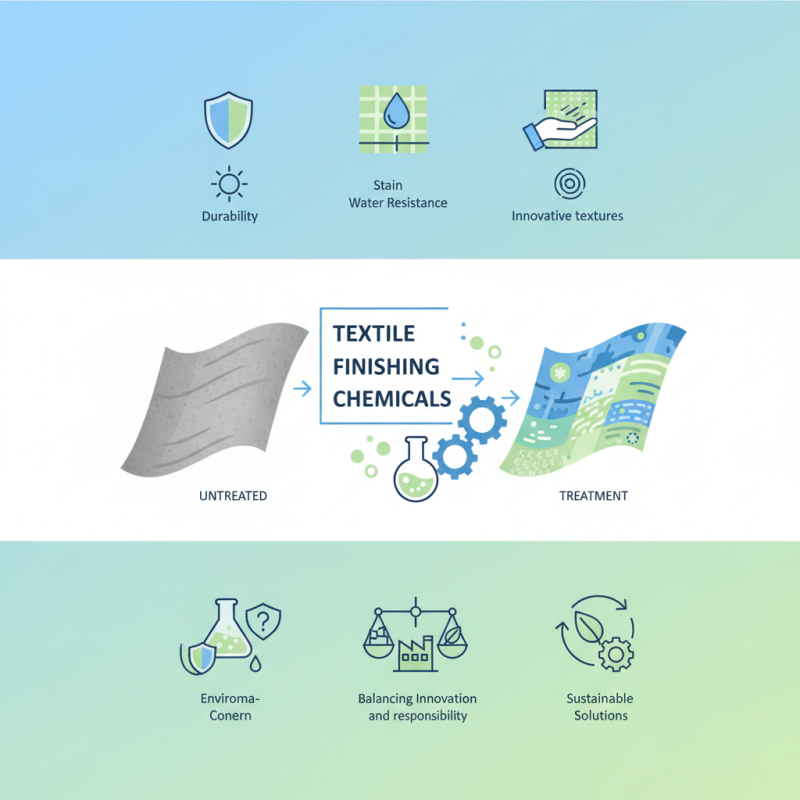
Textile finishing chemicals play a vital role in the textile manufacturing process. They enhance the quality and performance of fabrics, making them more appealing to consumers. High durability, resistance to stains, and improved feel are valuable benefits of these chemicals. Without them, textiles would lack functionality and aesthetic appeal.
Manufacturers rely on textile finishing chemicals to develop innovative solutions. These chemicals address issues like water resistance and UV protection. They help in achieving specific textures and finishes that consumers demand. The right chemicals can significantly influence market competitiveness.
However, the use of textile finishing chemicals poses challenges. It requires careful selection and application. Improper use can lead to environmental concerns. Manufacturers must balance innovation with responsibility. Reflecting on these practices fosters a commitment to sustainable solutions in the textile industry.
The Role of Textile Finishing Chemicals in Enhancing Fabric Performance
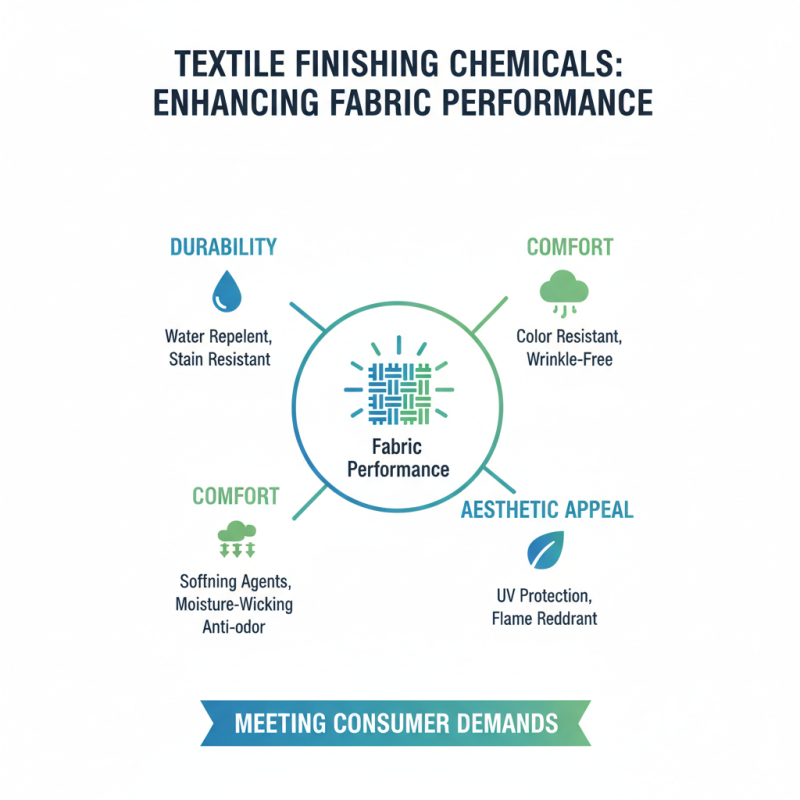
Textile finishing chemicals play a crucial role in enhancing fabric performance. These chemicals improve attributes like durability, comfort, and aesthetic appeal. For instance, water repellents can keep fabrics dry in wet conditions. Softening agents make textiles feel more pleasant against the skin. These enhancements are essential for meeting consumer demands.
However, the use of these chemicals isn't without challenges. Manufacturers must balance performance with environmental impact. Not all finishing agents are eco-friendly. Some may cause allergic reactions or fade over time. This raises questions about safety and sustainability.
Despite these issues, textile finishing chemicals remain vital. They help products stand out in a competitive market. The right finishes can significantly extend a fabric’s lifespan. Thus, fabric manufacturers must continuously evaluate their choices. They need to aim for innovation while addressing potential downsides.
Key Types of Textile Finishing Chemicals and Their Industrial Applications
Textile finishing chemicals play a crucial role in enhancing fabric properties. These chemicals modify textiles to improve comfort, appearance, and performance. Common types include softeners, water repellents, and flame retardants. Softeners create a softer feel in fabrics, making them more comfortable to wear. Water repellents provide resistance against moisture, ensuring longevity in outdoor gear.
Flame retardants are essential for safety in textiles used in furniture and clothing. They minimize the risk of fire hazards. However, the environmental impact of these chemicals shouldn't be overlooked. Manufacturers must balance quality and sustainability. Choosing safer alternatives or minimizing chemical use can lead to better solutions.
Innovation in this sector is constant, with a focus on eco-friendly materials. However, not all new products perform as expected. Manufacturers often face challenges in meeting both regulatory requirements and consumer demands. This complexity requires careful evaluation of each chemical’s impact before adoption. Making informed choices is vital for creating safer and more sustainable textiles.
Market Trends: Global Demand for Textile Finishing Chemicals by 2025
The global demand for textile finishing chemicals is poised for significant growth by 2025. Innovations in eco-friendly formulations are on the rise. These chemicals enhance fabric performance and durability. Manufacturers are increasingly prioritizing products that offer both quality and sustainability. This shift reflects changing consumer preferences towards environmentally safe options.
Emerging markets are driving this trend further. As textile industries expand in Asia and Africa, the need for advanced finishing chemicals will intensify. Companies must adapt to local market demands to stay competitive. However, the research and development phase can be challenging. Balancing cost and quality is often a complex task for manufacturers.
The industry faces pressure to improve transparency. Consumers now seek information on chemical compositions. This scrutiny can leave manufacturers feeling exposed. Yet, embracing this challenge can lead to innovative solutions. Striving for excellence in textile finishing chemicals not only satisfies market demands but also cultivates brand loyalty.
Global Demand for Textile Finishing Chemicals by 2025
| Region | Projected Market Size (Million USD) | Growth Rate (CAGR %) | Key Application Areas |
|---|---|---|---|
| North America | 500 | 3.5 | Apparel, Home Textiles |
| Europe | 600 | 4.0 | Industrial Textiles, Nonwovens |
| Asia Pacific | 800 | 5.8 | Fashion, Sportswear |
| Latin America | 200 | 2.5 | Home Textiles, Footwear |
| Middle East & Africa | 150 | 3.0 | Automotive Textiles, Upholstery |
Environmental Impact Regulations Affecting Textile Finishing Practices
Textile finishing chemicals play a pivotal role in the manufacturing process. However, their use also raises significant environmental concerns. Governments worldwide are implementing stricter regulations regarding the discharge and utilization of these chemicals. Manufacturers must adapt their practices to meet these changing laws.
Many finishing chemicals can contribute to pollution when improperly handled. Water contamination is a key issue. Textile manufacturers need to invest in better waste disposal systems. Implementing eco-friendly alternatives can align with regulations while benefiting the community. Awareness of environmental impacts encourages better decision-making.
Tips: Regularly review local regulations for textile finishing. Keep abreast of innovations in sustainable practices. Collaborate with suppliers to discover eco-friendly chemicals.
Understanding the environmental effects is crucial. Manufacturers who overlook these issues might face legal repercussions. Proactive compliance can enhance a company's reputation. Adopt a mindset that emphasizes sustainability. It’s not just an obligation; it’s an opportunity for growth.
Environmental Impact of Textile Finishing Chemicals
Innovations in Sustainable Textile Finishing Chemicals for Eco-Friendly Production
The textile industry is witnessing a transformative shift towards sustainability, especially in finishing chemicals. Innovations in eco-friendly formulations are crucial for reducing environmental impact. A 2022 report indicated that sustainable textiles are projected to grow at a CAGR of 9.7%, reaching $1 trillion by 2025. This highlights the significance of adopting greener solutions.
New sustainable textile finishing chemicals focus on minimizing toxic substances. For instance, alternatives to PFAS (per- and polyfluoroalkyl substances) are increasingly being developed. These innovations not only provide essential water repellency but also meet stringent environmental regulations. The use of biodegradable materials in finishing processes is becoming more common. Research shows that textiles treated with these chemicals can reduce their carbon footprint significantly.
However, challenges remain. Many manufacturers struggle with the higher costs of sustainable options. Additionally, the knowledge gap about these innovations can hinder widespread adoption. It’s essential for the industry to invest in education and training. Balancing performance with ecological responsibility is a complex task, but essential for a sustainable future in textiles.
Related Posts
-
2025 Top 10 Textile Auxiliaries Innovations Driving Sustainability and Efficiency
-

Top 10 Textile Chemicals and Auxiliaries You Need to Know in 2023
-
Top 10 Best Textile Auxiliary Chemicals for Optimal Fabric Performance?
-

Top Textile Distributors You Should Know About?
-
What is Textile Auxiliary Chemicals and Their Importance in Fabric Production?
-
Top 10 Best Textile Auxiliaries for Enhanced Fabric Performance?