
Blog
- Home
- /
- Blog
What is Textile Finishing and Why is it Important for Buyers?
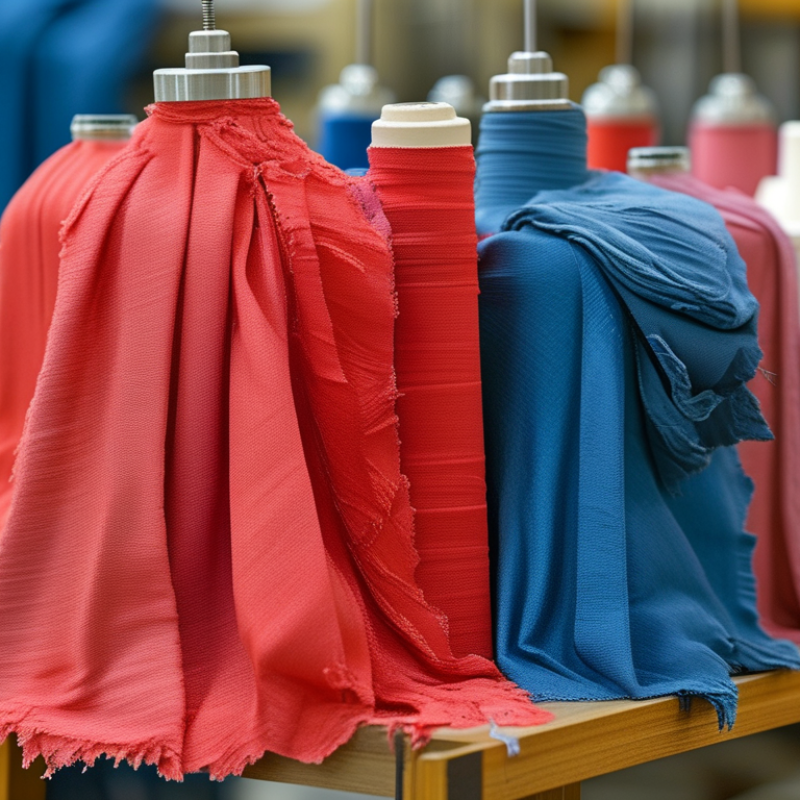
Textile finishing is a crucial stage in textile manufacturing. It transforms raw fabrics into desirable products. This process can enhance the fabric’s appearance, feel, and performance. Buyers often overlook the significance of textile finishing. However, understanding its role can lead to better purchases.
Finishing techniques vary widely. Some methods improve durability while others boost aesthetic appeal. For instance, water-repellent finishes protect fabrics from moisture. On the other hand, softening agents provide a luxurious feel. Buyers must recognize that the right finishing can increase a product's value. It is essential to source textiles with appropriate finishes that meet specific needs.
Ignoring textile finishing can result in poor-quality fabrics. Subpar finishes may lead to fading, shrinking, or loss of texture. These issues directly affect the end consumer. Therefore, buyers should not underestimate the importance of finishing. Knowledge in this area helps make informed decisions. Ultimately, understanding textile finishing fosters a relationship of trust between buyers and manufacturers.
What is Textile Finishing?
Textile finishing is a crucial stage in textile production. This process involves various treatments that improve the fabric’s properties. These treatments can enhance appearance, texture, and even durability. Techniques like dyeing, printing, and coating are commonly used. Each method serves a distinct purpose, but they all contribute to the final quality of the product.
The importance of textile finishing cannot be overstated. It dictates how a fabric feels against the skin, its care requirements, and even its lifespan. For example, finishing processes can make a fabric water-resistant or wrinkle-free. Buyers should understand that poorly finished textiles may not deliver on quality expectations. There are also sustainability considerations, as some finishing chemicals can be harmful. Transparent sourcing of fabrics is becoming a priority for many consumers.
Reflecting on the finishing process reveals complexities. Not all finishes are suitable for every fabric type. Some processes might weaken the material instead of enhancing it. Understanding these nuances is essential for making informed purchasing decisions. Buyers need to research the finishing processes before committing to any textile product.
What is Textile Finishing and Why is it Important for Buyers?
| Finishing Technique | Description | Benefits | Applications |
|---|---|---|---|
| Mechanical Finishing | Physical processes such as brushing, calendering, and shearing to change the texture. | Improves texture, enhances aesthetic appeal, and increases comfort. | Clothing, upholstery, and home textiles. |
| Chemical Finishing | Application of chemicals to alter properties such as water resistance or flame retardancy. | Enhances functionality, increases durability, and improves safety. | Activewear, workwear, and protective clothing. |
| Dyeing and Printing | Adding color through various dyeing methods and printing techniques. | Creates desired aesthetic and branding opportunities. | Fashion apparel, home furnishings, and promotional materials. |
| Finishing for Sustainability | Techniques that reduce environmental impact, such as waterless dyeing. | Promotes eco-friendly practices and appeals to conscious consumers. | Eco-friendly collections and sustainable fashion lines. |
Types of Textile Finishing Processes
Textile finishing refers to the processes applied to fabrics after they are woven or knitted. These processes enhance the performance and aesthetic appeal of the textile. Several types of finishing methods exist, each serving specific purposes. Understanding these can aid buyers in making informed decisions.
One common method is mechanical finishing, which includes processes like calendering and crimping. Calendering smooths the fabric. It creates a glossy finish, beneficial for home textiles. Another method is chemical finishing, which uses various treatments for durability or water resistance. This can significantly extend the life of garments, especially in outdoor settings.
Another type is functional finishing, which includes the application of antibacterial, flame-retardant, or stain-repellent properties. These finishes are increasingly sought after. They provide added value to buyers focused on safety and convenience. However, not all finishes are sustainable. Some chemicals may harm the environment. Buyers must consider the long-term impact of these choices while evaluating finishes.
Textile Finishing Processes and Their Importance
Textile finishing processes significantly enhance the functionality and aesthetic of fabrics. This chart illustrates the perceived importance of various finishing processes, highlighting their crucial roles in the textile industry.
Benefits of Textile Finishing for Fabric Quality
Textile finishing significantly enhances fabric quality, ensuring it meets market demands. According to industry reports, around 60% of fabric claims arise from inadequate finishing. This process includes treatments like dyeing, printing, and coating. These enhance the aesthetic appeal and durability of textiles. By improving attributes like softness, water resistance, and flame retardancy, finishing directly impacts a product's usability.
Consumers increasingly prioritize sustainable materials, making effective finishing techniques essential. A study by the International Textile Industry Association highlights that properly finished textiles can reduce waste by up to 30%. This sustainability aspect appeals to buyers who aim for eco-friendly products. Furthermore, many buyers expect high-performance fabrics that withstand regular use. Poorly finished textiles can lead to premature wear and dissatisfaction.
Seek out manufacturers that prioritize innovative finishing techniques. Proper finishing not only enhances quality but can also elevate the overall value of fabric. Consider requesting samples to evaluate the finishing quality firsthand. Don't overlook the importance of careful selection. Inadequate finishing can sink a project before it even hits the market.
Impact of Textile Finishing on Buyer Decisions
Textile finishing plays a crucial role in influencing buyer decisions. Buyers often seek fabrics that not only look appealing but also convey quality and durability. Finishing processes enhance the texture, colorfastness, and overall performance of textiles. These aspects can significantly impact consumer perception and satisfaction. For instance, a soft, well-finished fabric feels luxurious and increases the likelihood of a purchase.
Moreover, functionality is a key factor. Buyers are interested in fabrics that offer water resistance, stain repellence, or UV protection. This need drives the demand for specialized finishing techniques. However, it's important to note that not all finishes are equal. Some may wear off after a few washes or may not perform as expected. Buyers often need to weigh the benefits against longevity and care requirements.
The market is saturated with options, making informed choices crucial. Buyers may sometimes overlook how finishing affects the wear and tear of textiles. It's essential to consider how a fabric will perform over time. This can lead to frustrations if expectations are not met. Knowledge about finishing can empower buyers to make better decisions. Thus, understanding textile finishing is vital in today's competitive landscape.
Sustainability Considerations in Textile Finishing Practices
Sustainability in textile finishing is increasingly essential for modern buyers. As consumers become more environmentally conscious, they expect transparency in the production process. Finishing processes often involve chemicals and water, leading to environmental concerns. Therefore, sustainable practices are key to meeting market demand.
Using eco-friendly chemicals can significantly reduce the toxic load on the environment. Brands can minimize wastewater through efficient finishing techniques. Recycling water and using biodegradable substances are steps many companies are exploring. However, not all manufacturers follow these practices effectively. Some still rely on outdated processes that harm the ecosystem.
The challenge lies in balancing quality and sustainability. Many buyers seek high-performance fabrics, which can sometimes conflict with eco-friendly choices. It's crucial for buyers to ask questions about sustainability practices. Understanding a company’s commitment can guide purchasing decisions. Awareness and demand for sustainable options push the industry toward positive change.
Related Posts
-
What is a Comprehensive List of Textile Chemicals?
-
Top 10 Textile Chemical Processing Techniques You Should Know?
-
How to Find the Best Textile Distributors for Your Business Needs
-
Comprehensive Guide to Textile Dyeing Chemicals List for Professionals
-

What is the Best Dyeing Textile Process in 2026?
-
Top 10 Textile Dyeing Chemicals You Need in Your Production Process