Blog
- Home
- /
- Blog
Top Textile Finishing Agents in 2025: Trends and Innovations to Watch
In the evolving landscape of the textile industry, the role of textile finishing agents has become increasingly paramount. As we approach 2025, emerging trends and innovations promise to reshape this vital sector. Renowned textile expert Dr. Emily Johnson stated, "The advancements in textile finishing agents not only enhance the fabric’s durability and appearance but also prioritize sustainability, meeting consumer demand for environmentally friendly options." This highlights the dual focus on performance and ecological responsibility that is driving developments in this field.
As manufacturers seek to differentiate their products, the introduction of innovative textile finishing agents is expected to play a crucial role. With advancements in nanotechnology, bio-based materials, and smart textiles, the finishing processes are evolving to provide enhanced functionality, such as improved water repellency, stain resistance, and antimicrobial properties. The integration of these modern technologies not only improves textile performance but also aligns with the growing emphasis on sustainable practices in production.
As industry stakeholders prepare for the future, understanding the trends and innovations surrounding textile finishing agents will be essential. The commitment to blending enhanced functionality with sustainable practices will not only define the next generation of textiles but also reshape consumer expectations and market dynamics in 2025 and beyond.
Current Market Overview of Textile Finishing Agents in 2025
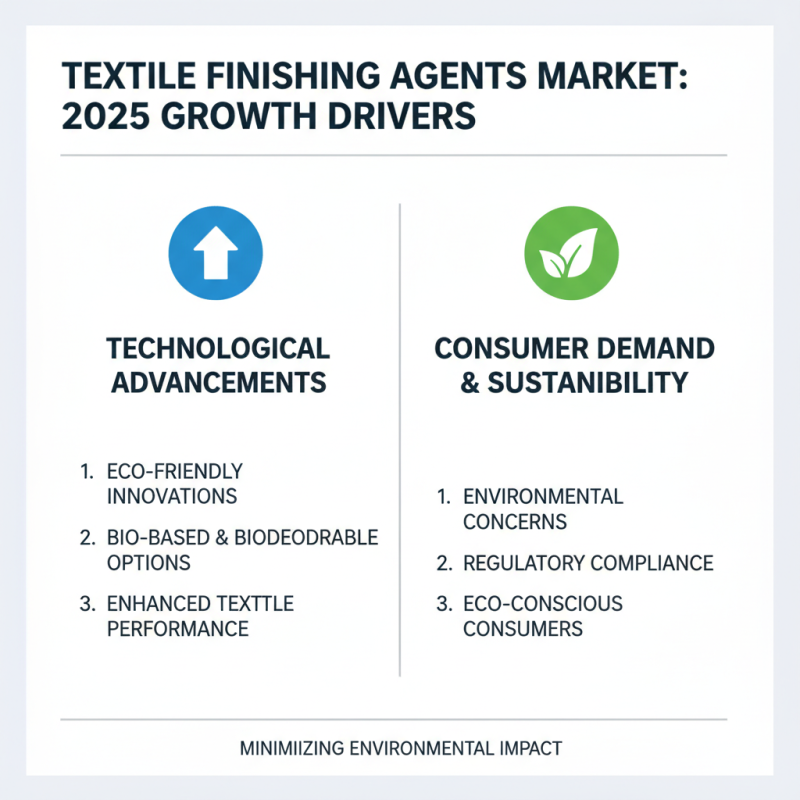
In 2025, the textile finishing agents market is poised for significant growth driven by both technological advancements and increasing consumer demand for sustainable practices. With environmental concerns at the forefront, manufacturers are focusing on developing agents that minimize environmental impact while enhancing the performance of textiles. Innovations in eco-friendly finishing agents, such as bio-based and biodegradable options, are gaining traction. These alternatives not only meet regulatory requirements but also appeal to a growing demographic of environmentally conscious consumers.
Additionally, the integration of smart technologies into textile finishing processes is emerging as a critical trend. The use of nanotechnology and other advanced materials allows for the creation of textiles with enhanced properties, such as water resistance, flame retardancy, and UV protection. These innovations not only improve the functionality of textiles but also provide differentiation in a competitive market. As industries explore customized solutions tailored to specific applications, the versatility and performance of textile finishing agents are expected to play a pivotal role in shaping future trends in the market.
Key Innovations Transforming Textile Finishing Processes
The textile finishing industry is on the brink of transformative innovations as we approach 2025. Key advancements in sustainable technologies are set to redefine traditional finishing processes, making them more efficient and environmentally friendly. According to a recent report by the Global Textile & Apparel Industry Association, approximately 60% of textile manufacturers are already investing in sustainable finishing agents, a trend projected to grow significantly as consumer demand for eco-friendly products rises.
Innovations such as bio-based finishing agents and waterless dyeing techniques are gaining traction, with studies indicating that these methods can reduce water usage by up to 90%, highlighting a crucial shift toward sustainability in textile processing.
Additionally, the integration of smart technologies is enhancing the efficiency of finishing processes. The adoption of artificial intelligence and IoT (Internet of Things) in textile manufacturing enables real-time monitoring of finishing parameters, leading to optimized resource use.
A report by the Textile Research Journal shows that AI-driven systems can improve finishing quality and decrease waste by up to 30%. As these intelligent systems become more accessible, they promise to revolutionize how fabrics are treated, ensuring consistency and superior quality while reducing operational costs. These trends indicate a clear pivot towards more innovative and sustainable techniques in the textile finishing landscape as we move towards 2025.
Sustainability Trends Shaping the Future of Textile Finishing
In 2025, sustainability will continue to play a pivotal role in the textile finishing industry, driven by increasing consumer demand for eco-friendly products and stringent regulatory standards. According to a report by Mordor Intelligence, the global eco-friendly textile finishing agents market is projected to reach USD 7.4 billion by 2026, growing at a CAGR of over 5% from 2021. This growth is fueled by innovations in sustainable practices, such as the use of water-based and biodegradable finishing agents that minimize environmental impact while maintaining high-performance standards.
The adoption of sustainable textile finishing agents is not only a response to consumer preferences but also a necessity as brands strive to meet targets outlined in global sustainability initiatives. For example, the Sustainable Apparel Coalition's Higg Index provides a comprehensive framework for companies to assess the environmental and social impacts of their materials and processes. By utilizing water-repellent, stain-resistant, and flame-retardant finishes derived from renewable resources, the industry can reduce reliance on harmful chemicals and decrease the carbon footprint associated with textile production. As we move towards a more sustainable future, these innovations are expected to redefine the textile finishing landscape, ensuring it aligns with both ecological and consumer expectations.
Emerging Technologies in Textile Finishing Applications
In 2025, the landscape of textile finishing is set to undergo significant transformations driven by emerging technologies that enhance efficiency and sustainability. One of the most promising innovations is the integration of digital printing techniques that allow for precise application of finishing agents. This method minimizes waste and energy consumption while enabling intricate designs that were previously difficult to achieve. Coupled with advancements in nanotechnology, manufacturers can develop high-performance finishes that offer superior durability, stain resistance, and moisture management, catering to the growing demand for functional textiles.
Moreover, the use of smart materials in textile finishing applications is on the rise. These materials respond dynamically to environmental stimuli, providing users with enhanced comfort and performance. For example, fabrics embedded with phase change materials can regulate temperature, adapting to the wearer’s body heat. Additionally, eco-friendly approaches, such as waterless dyeing and natural finishing agents, are gaining traction as industries strive for greener practices. The convergence of these technologies not only meets consumer expectations for performance but also aligns with global sustainability goals, setting the stage for a new era in textile processing.
Consumer Preferences Influencing Textile Finishing Choices in 2025
As we approach 2025, consumer preferences are playing a pivotal role in shaping the landscape of textile finishing agents. Increasingly, buyers are gravitating toward eco-friendly options that minimize environmental impact. This shift is driven by heightened awareness of sustainability and the demand for products that align with ethical consumption. As a result, manufacturers are investing in plant-based finishing agents and biodegradable alternatives that not only enhance fabric properties but also support a circular economy.
In addition to sustainability, consumers are seeking performance-driven solutions that cater to their lifestyle needs. Innovations such as moisture-wicking, stain resistance, and anti-microbial finishes are becoming standard expectations rather than exceptions. This trend reflects a growing desire for textiles that enhance comfort and utility in everyday life. Furthermore, there is an emerging interest in customizable finishes that allow consumers to tailor their fabric choices according to personal preferences, paving the way for more engaging and interactive shopping experiences. Overall, as market demands evolve, the textile finishing industry must stay attuned to these preferences to remain competitive and relevant.
Top Textile Finishing Agents in 2025: Trends and Innovations to Watch
| Finishing Agent Type | Key Features | Consumer Preference Indicator | Projected Growth Rate (%) |
|---|---|---|---|
| Eco-Friendly Agents | Biodegradable, non-toxic, sustainable | High demand among environmentally conscious consumers | 15% |
| Water Repellent Finishes | Durable, breathable, weather-resistant | Growing preference for outdoor and activewear | 10% |
| Anti-Microbial Treatments | Odor-resistant, hygiene-focused | Increasing awareness of hygiene and wellness | 12% |
| UV Protection Finishes | Blocks harmful UV rays, skin protection | Rising concern for skin health | 8% |
| Wrinkle-Free Finishes | Easy care, appearance retention | Preference for low-maintenance textiles | 5% |
Related Posts
-
How to Find the Best Textile Distributors for Your Business Needs
-

2025 Top 10 Types of Dyes Revolutionizing the Textile Industry
-
Top 10 Textile Printing Chemicals You Need to Know for Your Business
-
Exploring the Science Behind the 7 Major Types of Textile Dyes and Their Environmental Impact
-
What is Textile Colouring and How Does it Impact Fabric Quality and Design
-
10 Best Types of Dyes Used in the Textile Industry for Vibrant Fabrics