Colourinn Industries – Textile & Dyes Auxiliaries Manufacturer & Exporter

Blog

  1. Home
  2. /
  3. Blog

What is Textile Fabrics and How Are They Used in Everyday Life?

Textile fabrics are integral to our daily lives, shaping not only fashion but also functionality. The global textile market was valued at approximately $1 trillion in 2022, according to the Global Textiles Industry Report. This volume highlights the dependency on textile fabrics across various sectors. From clothing to home décor, their uses are vast.

Everyday encounters with textile fabrics are often unnoticed. We wake up on cotton sheets, sit on polyester sofas, and wear blended fabrics. This ubiquity raises questions about sustainability. The production of textile fabrics can lead to substantial environmental impacts. For instance, water pollution from dyeing processes affects local ecosystems.

As we navigate through our fabric-laden lives, issues arise. Are we too reliant on fast fashion fabrics? The average consumer discards 81 pounds of textile waste annually, according to the EPA. Choices about textile fabrics reflect deeper societal values. Consideration of these aspects can lead to more responsible decisions in our utilization of textile fabrics.

What is Textile Fabrics and How Are They Used in Everyday Life?

Definition and Composition of Textile Fabrics
What is Textile Fabrics and How Are They Used in Everyday Life?

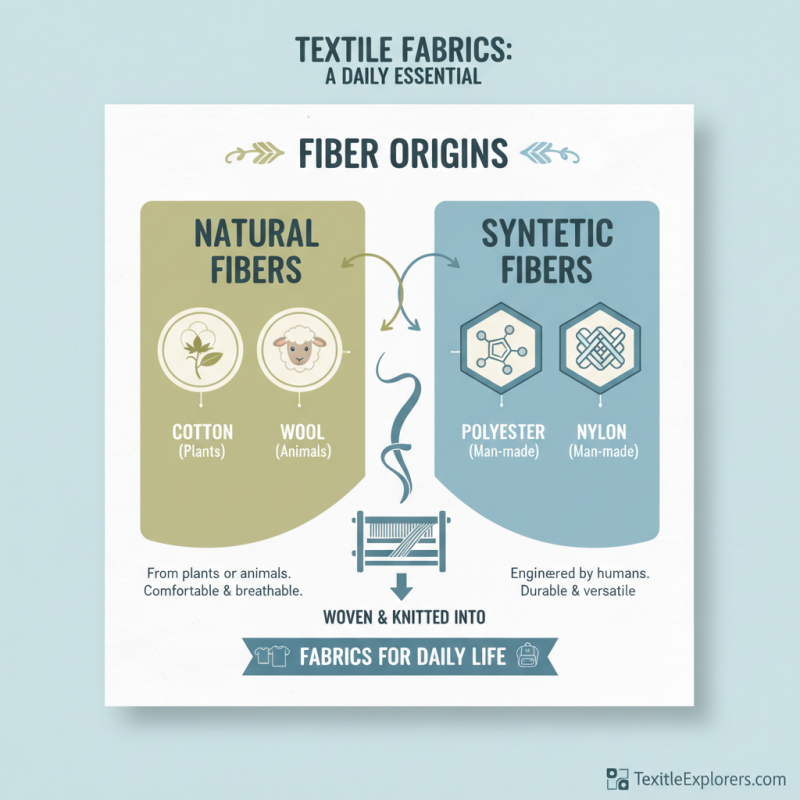
Textile fabrics are an integral part of our daily lives. These materials are created from fibers, either natural or synthetic. Natural fibers come from plants or animals. Cotton and wool are popular choices. Synthetic fibers, like polyester and nylon, are man-made. They offer durability and versatility.

When you wear clothes, you're surrounded by textile fabrics. From your soft shirt to the durable jeans, each item has a unique composition. The blend of fibers can affect comfort and style. Delicate silks feel luxurious, while robust denims endure daily wear.

**Tip**: To choose the right fabric, think about your needs. Do you want comfort, elegance, or durability? Consider the season too—light fabrics for summer, heavier ones for winter.

Interestingly, not all fabrics are equal. Some may irritate sensitive skin. Others may not hold up well after washes. Always check the fabric care instructions. This will help maintain the quality of your belongings.

**Tip**: If you're concerned about the environmental impact, look for sustainable fabric options. Organic cotton and recycled materials can make a difference.

Textile fabrics define our style and functionality. With the right choices, we can enhance our lives through the fabrics we wear and use.

Types of Textile Fabrics and Their Characteristics

Textile fabrics are integral to our daily lives, woven into nearly every aspect of our experience. Cotton is one of the most common fabrics. It’s soft, breathable, and versatile. People love wearing cotton clothes, especially in warm weather. Denim, another popular fabric, is sturdy and long-lasting. Often used in jeans, its durability makes it a staple for casual wear.

Silk is luxurious and smooth, but it requires special care. It drapes beautifully, making it ideal for elegant dresses. Then there's polyester, often blended with other fibers. It resists wrinkles and fading, which makes it practical for everyday garments. However, it can be less breathable than natural fibers. Linen is another fabric that stands out. It gets better with age, but it wrinkles easily.

Each fabric has its own characteristics, which can affect comfort and style. Some textiles are great for activewear, while others shine in formal settings. It's important to consider not just the aesthetics but also how fabrics perform in daily use. As we choose fabrics, we must reflect on their effects and our choices, from sustainability to comfort.

Applications of Textile Fabrics in Clothing and Fashion

Textile fabrics play a crucial role in our daily lives, especially in clothing and fashion. Various types of fabrics, such as cotton, silk, and denim, create a vast range of styles and textures. These materials define our fashion choices and impact how we feel in our clothes. Each fabric tells a story, with its unique properties influencing fit and comfort. For instance, breathable cotton is favored in summer, while warm wool is essential in winter.

Fashion reflects personal identity. The use of fabrics helps communicate who we are. Children's clothing often features vibrant colors and playful patterns. Adult fashion can vary from casual wear to professional attire, showcasing versatility. However, not all textile choices are environmentally friendly. The fast-fashion industry often leads to waste and pollution. As consumers, we must question our choices and consider sustainable options.

Not everyone understands fabric care. Some fabrics require dry cleaning, while others are machine washable. Mismanagement can lead to shrinking or damaging clothes. It’s important to educate ourselves about the right maintenance. This knowledge allows us to enjoy our favorite pieces longer and contribute to a more sustainable wardrobe. Fashion is a dynamic field, and understanding its fabrics is essential for making informed choices.

What is Textile Fabrics and How Are They Used in Everyday Life? - Applications of Textile Fabrics in Clothing and Fashion

Fabric Type Common Uses Properties Care Instructions
Cotton Shirts, dresses, jeans Breathable, soft, absorbent Machine wash, tumble dry
Polyester Activewear, outerwear Durable, wrinkle-resistant, quick-drying Machine wash, low heat tumble dry
Wool Sweaters, coats, suits Warm, elastic, water-resistant Dry clean or hand wash
Silk Scarves, blouses, formal wear Luxurious, soft, shinny Dry clean recommended
Linen Summer clothing, tablecloths Breathable, absorbent, natural texture Machine wash, air dry

Uses of Textile Fabrics in Home Furnishings and Interior Design

Textile fabrics play a significant role in home furnishings and interior design. They add warmth, texture, and personality to any space. Curtains, for example, can transform a room’s ambiance. Soft fabrics filter light, creating a cozy atmosphere. In contrast, bold patterns can make a statement and energize the space.

Cushions are another way textile fabrics are used. They provide comfort on sofas and chairs. Choosing the right fabric matters. Durable materials withstand daily use, while delicate ones may require more care. It’s easy to overlook fabric choices. Often, quality is sacrificed for style, leading to regret later.

Textiles also serve functional purposes. Table linens, for instance, protect surfaces while adding style. However, many forget to coordinate these fabrics with the rest of the decor. A mismatch can create visual chaos. It’s essential to consider how each piece fits into the overall design. Balancing practicality with aesthetics can be challenging yet rewarding.

Innovations and Sustainable Practices in Textile Fabrics Production

Sustainable practices in textile fabric production are becoming increasingly important. In 2022, the global textile market was valued at approximately $1.5 trillion, with a significant portion attributed to issues of sustainability. The industry is a major contributor to environmental pollution, accounting for around 10% of global carbon emissions.

Innovations are emerging to address these challenges. Biodegradable fabrics and recycled materials are gaining attention. For instance, textiles made from recycled PET bottles are now common. This approach not only reduces waste but also conserves resources. A report from the Ellen MacArthur Foundation predicts that transitioning to a circular economy in textiles could reduce greenhouse gas emissions by 44% by 2030.

However, the adoption of these sustainable practices faces hurdles. The cost of producing eco-friendly fabrics can be higher. Some consumers are still hesitant to pay more. Furthermore, many companies still rely on traditional production methods. This can create a disconnect between innovation and widespread application. The textile industry must continue to grapple with these issues while striving for a more sustainable future.