Colourinn Industries – Textile & Dyes Auxiliaries Manufacturer & Exporter

Blog

  1. Home
  2. /
  3. Blog

What is Textile Dyeing Chemicals and How to Choose Them?

In the world of textile dyeing, the selection of dyeing chemicals plays a crucial role. Experts like Dr. Emily Carter, a renowned textile chemist, emphasize the importance of choosing the right materials. She once stated, “The effectiveness of dyeing chemicals can make or break the final product quality.”

Textile dyeing chemicals come in various forms, each with distinct properties and applications. Understanding these aspects is vital for achieving vibrant and lasting colors. Not all chemicals are suitable for every fabric or dyeing process, leading to potential challenges. Poor choices can result in faded colors or damaged textiles.

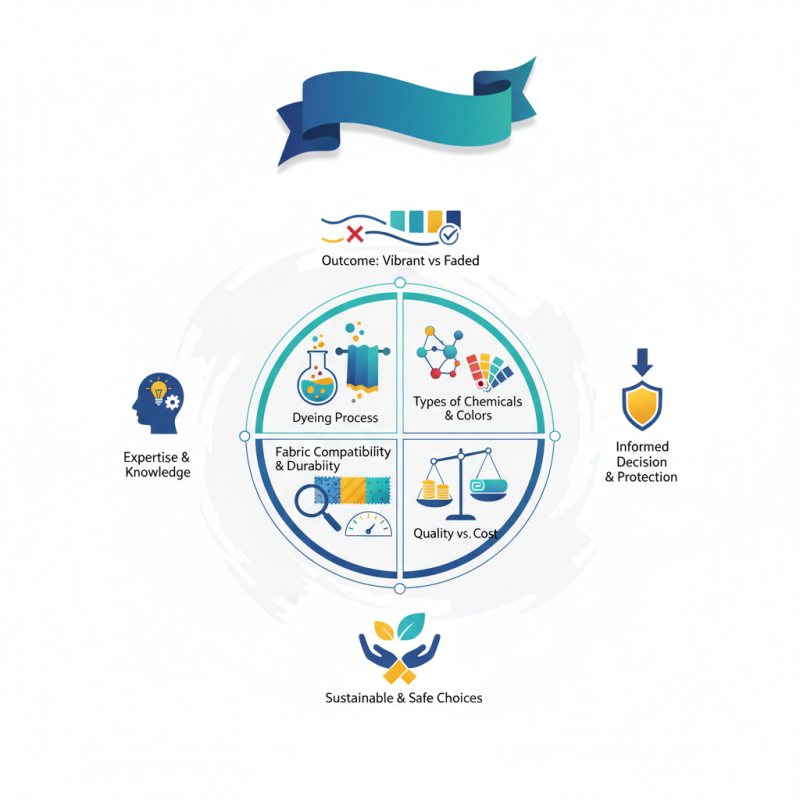
Navigating the complex landscape of textile dyeing chemicals requires both knowledge and caution. Mistakes can be costly, both economically and in terms of product integrity. By considering the specific needs of the fabric and the desired outcome, one can make informed decisions. However, the vast array of options can be overwhelming. This is where expertise and experience become invaluable.
What is Textile Dyeing Chemicals and How to Choose Them?

Understanding Textile Dyeing Chemicals: A Comprehensive Overview

Textile dyeing chemicals play a crucial role in the color development of fabrics. They include various substances like acid, reactive, and disperse dyes. Each type has unique properties suited for specific fibers. Understanding the characteristics of these chemicals is vital for achieving the desired results in textile production.

Choosing the right dyeing chemicals can be challenging. Factors such as fiber type, dye affinity, and environmental impact require careful consideration. Testing various combinations is essential. Sometimes, the desired color won't appear as expected. It's important to document these trials to learn from potential mistakes.

Moreover, safety considerations shouldn't be overlooked. Some chemicals can be hazardous if not handled properly. Always refer to safety data sheets. Moreover, adopting sustainable practices is increasingly important in the textile industry. Reflecting on these aspects can help make informed decisions in the dyeing process.
Types of Textile Dyeing Chemicals: An In-Depth Guide

What is Textile Dyeing Chemicals and How to Choose Them?

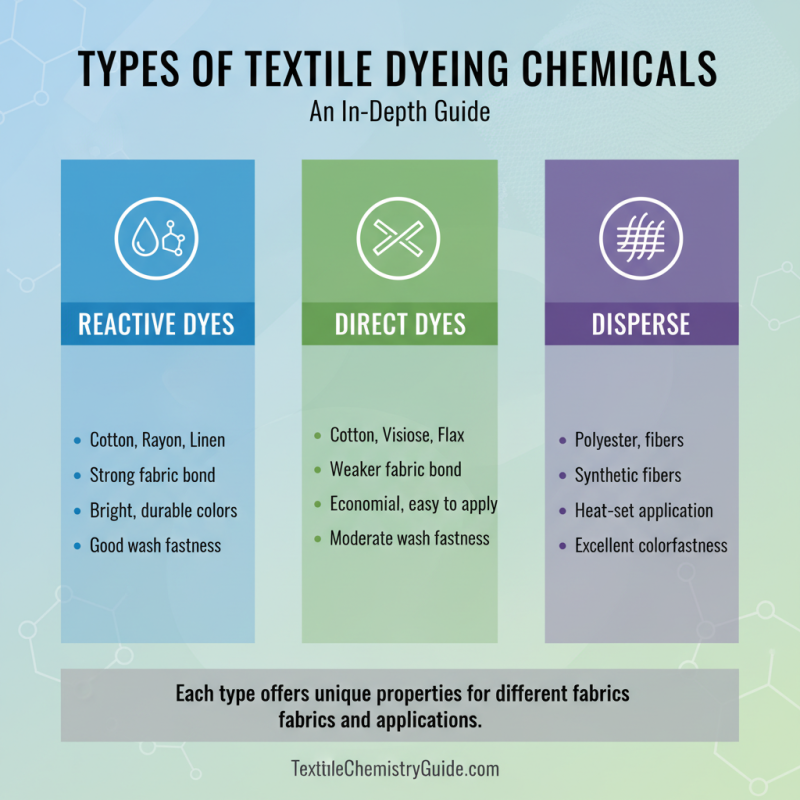
Textile dyeing chemicals play a vital role in the production of colorful fabrics. Understanding their types is essential for achieving the desired results. There are various categories, including reactive dyes, direct dyes, and disperse dyes. Each type has unique properties, making them suitable for different fabrics and applications.

Reactive dyes bond with fibers through a chemical reaction. This results in vibrant colors that are long-lasting. Direct dyes, on the other hand, are easier to use but may not offer the same durability. Disperse dyes are commonly used for synthetic fibers like polyester. Selecting the appropriate dye requires considering the fabric type and end-use.

Challenges arise in the selection process. Some dyes may cause environmental concerns, while others could affect fabric performance. It's crucial to weigh these factors. Testing on swatches can help determine how a dye interacts with certain materials. Ask for guidance from experts in the field. This can provide insights into best practices and potential pitfalls.

Factors to Consider When Choosing Textile Dyeing Chemicals

What is Textile Dyeing Chemicals and How to Choose Them?

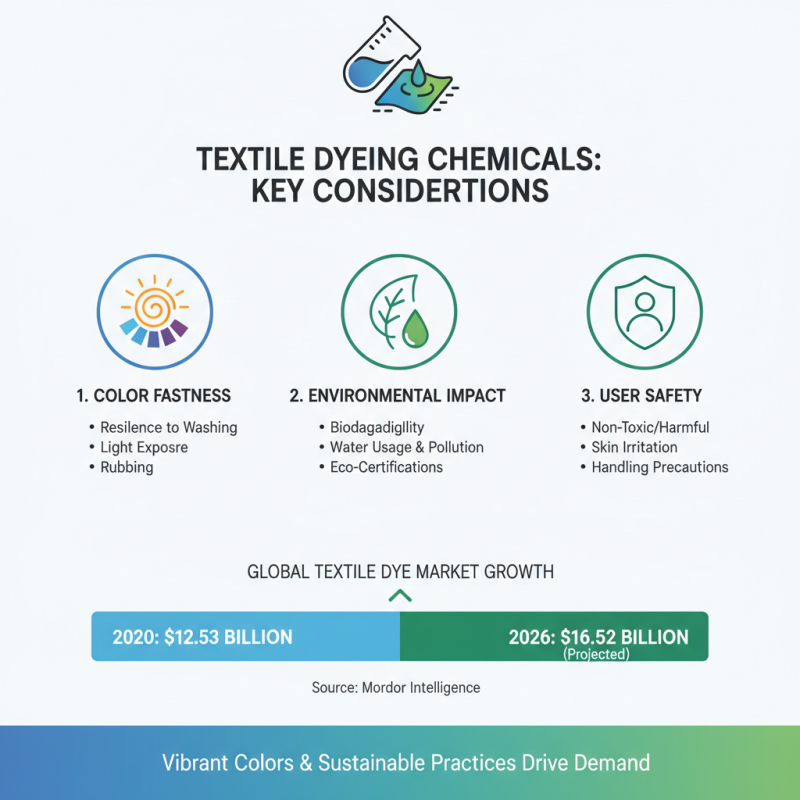
Choosing the right textile dyeing chemicals can significantly affect the quality of the final product. Factors to consider include color fastness, environmental impact, and user safety. The industry's reliance on dyes is expected to grow. According to a report by Mordor Intelligence, the textile dye market was valued at approximately USD 12.53 billion in 2020 and is projected to reach USD 16.52 billion by 2026, reflecting the increasing demand for vibrant colors and sustainable practices.

Color fastness is crucial. Dyes should withstand light, washing, and rubbing. Poor color fastness can lead to faded fabrics that disappoint consumers. Ensure to check the Test Methods for Color Fastness, as outlined by ISO standards. Additionally, consider the environmental impact of dyes. More brands prioritize eco-friendly dyeing processes. Research indicates that over 300,000 tons of toxic substances enter water systems yearly from textile dyeing. Adopting eco-friendly alternatives could improve a brand’s reputation.

User safety is another key factor. Select dyes that comply with regulations like REACH and are safe for workers. Many chemicals found in dyes can be harmful to health. For example, aromatic amines are known carcinogens. This fact highlights the need for thorough research and transparency in chemical selection. Every choice can affect health, the environment, and ultimately the brand's success in the textile industry.

Environmental Impact of Textile Dyeing Chemicals: Key Considerations

Textile dyeing chemicals play a crucial role in the fashion industry. However, their environmental impact cannot be overlooked. Many traditional dyes contain harmful substances, which can pollute water systems when discharged. This pollution can affect aquatic life and human health. Awareness of these effects is essential for anyone involved in textile production.

When selecting dyeing chemicals, consider their toxicity and biodegradability. Look for alternatives that are certified as eco-friendly. These options often perform better in terms of colorfastness and overall quality. It's important to research the suppliers and their practices. Transparency in sourcing and production can indicate a more responsible operation.

Tips: Always request Material Safety Data Sheets (MSDS) for any chemical product. Assess their potential hazards before use. Encourage suppliers to adopt sustainable practices. Engage with your team about the importance of responsible choices. Balancing quality and environmental responsibility is challenging but necessary. Reflection on past practices can lead to better decisions in the future.

What is Textile Dyeing Chemicals and How to Choose Them? - Environmental Impact of Textile Dyeing Chemicals: Key Considerations

Chemical Type Purpose Environmental Impact Regulation Status
Reactive Dyes Used for dyeing cellulose fibers Low toxicity, but can cause water pollution if not treated Generally compliant with existing regulations
Disperse Dyes Used for dyeing synthetic fibers Potentially harmful to aquatic life Some are restricted due to toxicity
Acid Dyes Mainly for protein fibers and nylon Can be harmful if released untreated Compliance varies by region
Natural Dyes Derived from natural sources Biodegradable and eco-friendly Typically not regulated
Pigment Dyes Used in various textile processes Generally low environmental impact Compliance often required for specific heavy metals

Best Practices for Using Textile Dyeing Chemicals Safely and Effectively

Textile dyeing chemicals play a crucial role in the textile industry. Choosing the right chemicals is essential for achieving vibrant colors while ensuring safety. One effective practice is to thoroughly read the Material Safety Data Sheets (MSDS) for each chemical. These documents provide valuable information about handling, storage, and emergency procedures.

When working with dyes, always wear appropriate personal protective equipment (PPE). This includes gloves, goggles, and masks to minimize exposure. It's important to work in a well-ventilated area. Fumes from certain dyes can be harmful if inhaled. Regularly assess your workspace for any potential hazards.

Before starting a dyeing project, conduct small tests to evaluate results. This helps identify how different fabrics react to specific chemicals. Keep records of your experiments and results. This practice not only improves your skills but also builds a reliable database for future projects. Reflecting on your processes helps identify areas for improvement and enhances safety measures in the long run.

Textile Dyeing Chemicals Usage Overview