Blog
- Home
- /
- Blog
What is Textile Auxiliary Chemicals and Their Importance in Fabric Production?
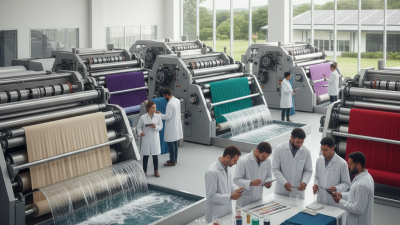
Textile auxiliary chemicals play a crucial role in the fabric production process. These chemicals enhance the performance and quality of textiles. According to market research, the global textile chemicals market is projected to reach $28.2 billion by 2025, with auxiliary chemicals comprising a significant portion.
The importance of textile auxiliary chemicals cannot be overstated. They are essential in processes such as dyeing, finishing, and printing. For example, wetting agents enhance dye absorption, ensuring vibrant colors. However, the industry faces challenges, including environmental concerns. Many chemicals can be harmful if not managed properly.
Moreover, the reliance on textile auxiliary chemicals necessitates constant innovation. Companies are urged to find sustainable alternatives. While technology advances, not every solution is perfect. The balance between performance and environmental impact remains a pressing issue. This complexity underlines the importance of understanding textile auxiliary chemicals.
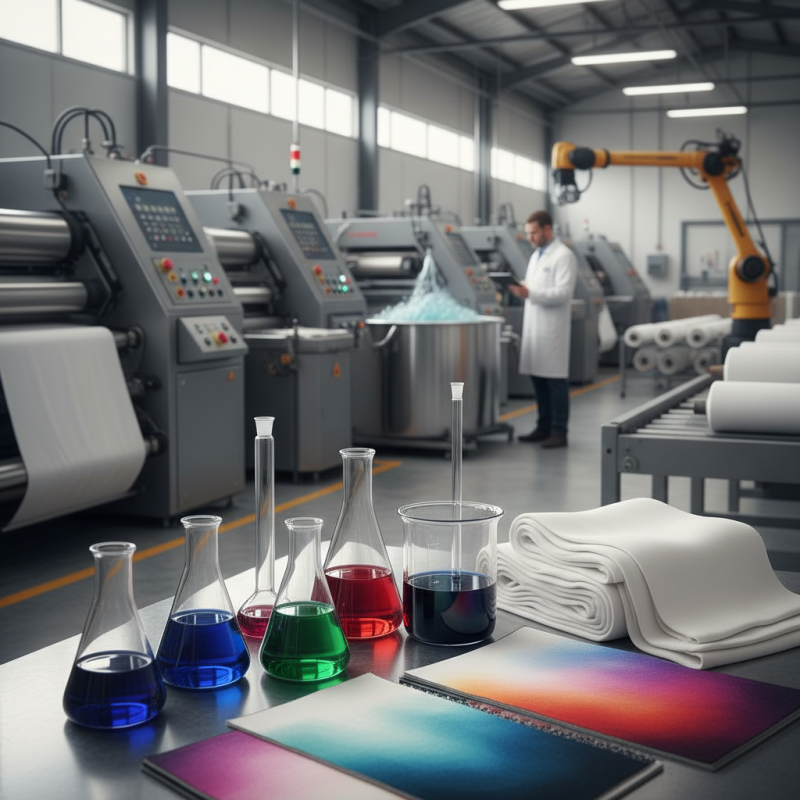
Definition of Textile Auxiliary Chemicals in Fabric Production
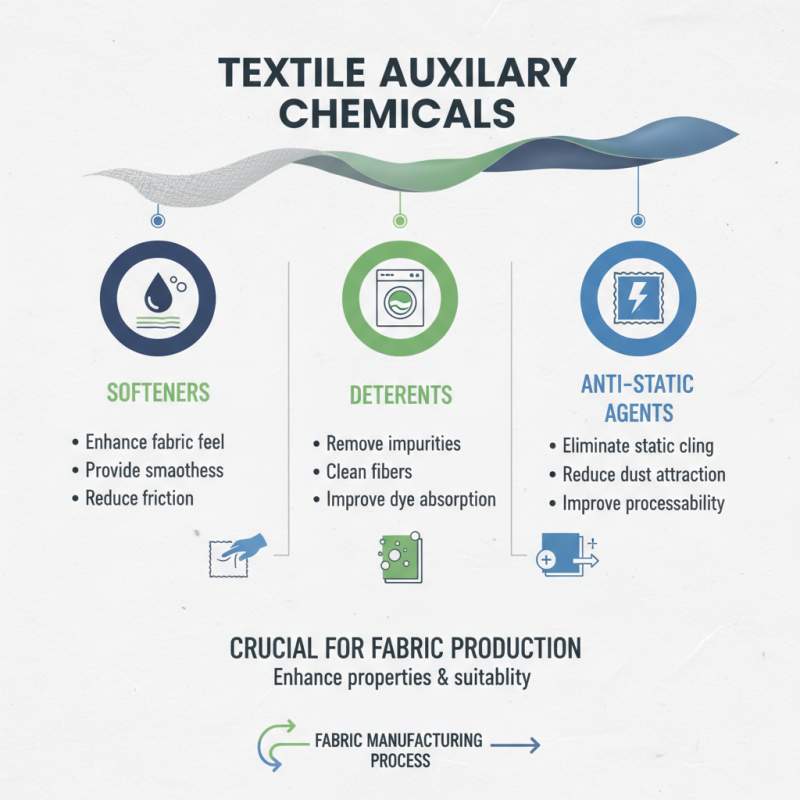
Textile auxiliary chemicals play a crucial role in fabric production. These substances enhance the properties of textiles, making them more suitable for various applications. Auxiliary chemicals include softeners, detergents, and anti-static agents. Each serves a specific purpose in the fabric manufacturing process.
When fabrics are treated with these chemicals, their texture, durability, and aesthetic appeal improve significantly. For example, softeners make materials feel smoother against the skin. Anti-static agents reduce cling and enhance comfort. However, finding the right balance in chemical use can be challenging. Overuse may lead to a product that feels artificially smooth or even sticky.
Tip: Always test a small fabric sample before applying new auxiliary chemicals. This helps avoid issues in the final product. Additionally, ensure compatibility with the main textile fibers. A mismatch may result in poor performance, affecting the end-user experience. Remember, the key is moderation. Adjust chemical concentrations carefully for the best results. Each choice shapes the final fabric quality.
Types of Textile Auxiliary Chemicals Used in the Industry
Textile auxiliary chemicals play a crucial role in fabric production. They enhance properties, improve processes, and ensure quality in the textile industry. According to a report from MarketsandMarkets, the global textile chemicals market is expected to reach USD 26.90 billion by 2025. This significant growth is fueled by the increasing demand for functional textiles.
Common types of textile auxiliary chemicals include sizing agents, colorants, and finishing agents. Sizing agents help strengthen fabrics during weaving. Colorants are essential for achieving vibrant hues. Finishing agents provide water and stain resistance, enhancing fabric durability. However, not all chemicals used are eco-friendly. Some can be hazardous, thus posing a potential risk to both workers and the environment.
A study by Technavio highlights that the demand for sustainable textile auxiliary chemicals is rising. Many companies are now seeking biodegradable and non-toxic options. Yet, transitioning to these alternatives often presents challenges. Cost and availability can be significant obstacles. Moreover, the effectiveness of sustainable options may not always match traditional chemicals. This gap needs attention for future development.
What is Textile Auxiliary Chemicals and Their Importance in Fabric Production?
| Type of Chemical | Function | Importance | Common Applications |
|---|---|---|---|
| Surfactants | Reduce surface tension | Improve wetting and spreading | Dyeing, printing |
| Lubricants | Reduce friction | Enhance processing efficiency | Weaving, knitting |
| Stabilizers | Maintain fabric structure | Prevent distortion | Finishing processes |
| Softening Agents | Improve hand feel | Enhance comfort | Finishing, garment production |
| Anti-static Agents | Reduce static electricity | Prevent fabric cling | Garment finishing |
Functions and Benefits of Textile Auxiliary Chemicals
Textile auxiliary chemicals play a crucial role in fabric production. These chemicals enhance various properties of textiles, making them more suitable for end-users. They are used during different stages, such as dyeing, finishing, and printing. Data from the Textile Chemicals Market Report indicates the global textile chemicals market is expected to reach USD 30.2 billion by 2025.
Functions of textile auxiliary chemicals vary widely. They improve dye uptake and fixation, ensuring vibrant and long-lasting colors. Softening agents enhance the feel of fabrics, making them comfortable against the skin. Eco-friendly options are gaining traction. Many manufacturers are shifting towards biodegradable and less harmful alternatives.
Tips: When selecting textile auxiliaries, consider their environmental impact. Sustainable choices are becoming mandatory in various regions. Regular audits can ensure compliance with safety regulations. Keep an eye on emerging trends. Innovations in the industry often bring improved functionalities.
While these chemicals offer numerous benefits, they also raise concerns. The cost of eco-friendly options can be high, impacting production budgets. Moreover, insufficient knowledge of proper application can lead to ineffective results. It’s essential for manufacturers to continually educate their teams on best practices.
Importance of Textile Auxiliary Chemicals in Fabric Production
Impact of Textile Auxiliary Chemicals on Fabric Quality
Textile auxiliary chemicals play a crucial role in enhancing fabric quality during production. According to a recent industry report, over 70% of fabric performance is influenced by these chemicals. They help in processes like dyeing, finishing, and washing, ensuring the final product meets market standards. For instance, proper use of softeners can improve the fabric's handfeel significantly, making it more appealing to consumers.
However, not all auxiliary chemicals are created equal. Some may adversely affect the fabric’s durability or colorfastness. A study showed that poor-quality chemicals could reduce the fabric's lifespan by 20%. Many producers face challenges in sourcing sustainable chemicals that do not compromise quality. This inconsistency can lead to varying results in fabric performance, resulting in potential client dissatisfaction.
The importance of choosing the right textile chemicals cannot be overstated. With consumer expectations rising, manufacturers are under pressure to deliver high-quality and eco-friendly textiles. Maintaining balance is key. Prioritizing cost-saving measures may lead to poorer fabric quality, impacting brand reputation. Brands must navigate this complex landscape carefully, considering both performance and environmental responsibility.
Sustainability and Environmental Considerations in Textile Auxiliary Chemicals
Sustainability is crucial in textile production. The choice of auxiliary chemicals significantly impacts the environment. Many traditional chemical processes create harmful waste. In contrast, sustainable alternatives focus on reducing water usage and harmful emissions.
When selecting textile auxiliary chemicals, consider their biodegradability. Some chemicals can linger in ecosystems, harming wildlife. Always opt for products with minimal environmental footprints. Natural dyes and non-toxic finishes are excellent choices.
Tips: Always check the labels. Look for certifications that indicate environmental safety. Engage with suppliers about their sustainability practices. Small changes in chemical choices can lead to a big impact.
Related Posts
-
How to Choose the Best Textile Processing Chemicals for Your Needs
-
Comprehensive Guide to Textile Dyeing Chemicals List for Professionals
-
How to Succeed in the Bangladesh Textile Industry: Tips and Strategies
-
10 Best Types of Dyes Used in the Textile Industry for Vibrant Fabrics
-
2025 Guide: How to Choose the Best Textile Fabrics for Your Projects
-
Why Are Textile Additives Essential for Improving Fabric Performance