Why Are Textile Additives Essential for Improving Fabric Performance
In the dynamic world of textiles, the quest for improved fabric performance is a continual challenge. One crucial avenue that manufacturers and designers explore to enhance the quality and functionality of fabrics is the use of textile additives. These specialized chemicals play a pivotal role in modifying the performance characteristics of basic textile fibers, resulting in a wide array of benefits such as increased durability, improved comfort, and enhanced aesthetic appeal.
Textile additives encompass a diverse range of substances, including dyes, finishing agents, and performance enhancers designed to meet specific requirements in varying applications. Their incorporation into fabric production not only elevates the quality of the final product but also addresses consumers’ growing demands for advanced functionality in textiles, such as moisture management, stain resistance, and fire retardancy. Understanding the vital role of textile additives is essential for stakeholders aiming to push the boundaries of innovation and sustainability in the textile industry.
As the market continues to evolve, the importance of textile additives becomes increasingly evident. They serve as key contributors to developing high-performance fabrics that can withstand the rigors of everyday use while also meeting aesthetic and environmental standards. In this exploration of textile additives, we will delve into their various types, functions, and the significant impact they have on fabric performance, highlighting their indispensable role in the textile manufacturing process.
Understanding Textile Additives: Definition and Types
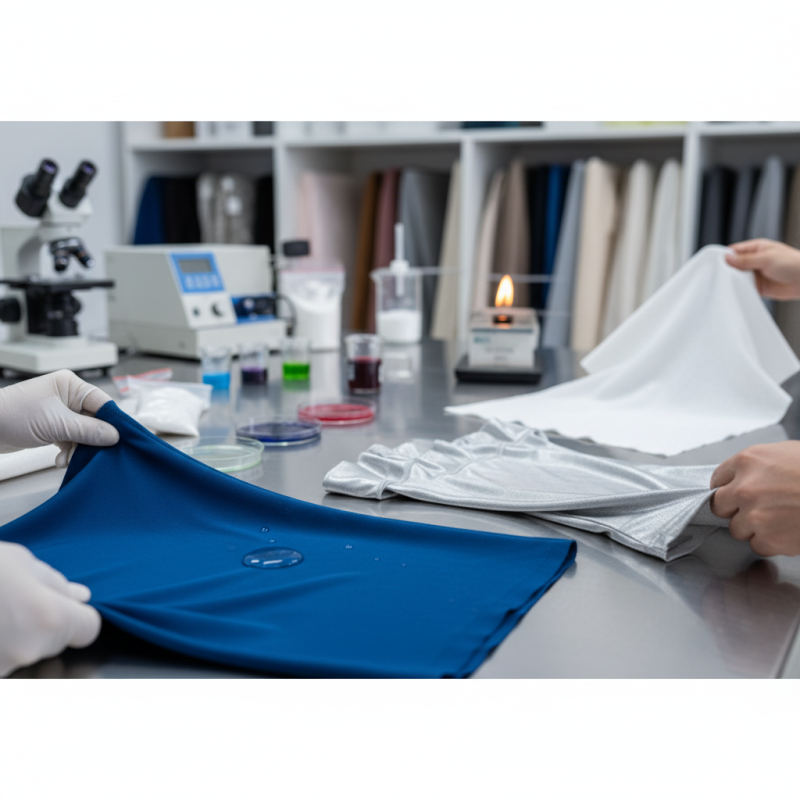
Textile additives play a crucial role in enhancing the performance of fabrics, enabling them to meet specific functional requirements for various applications. These additives are substances added to textiles during various stages of processing and can significantly affect the material's properties. Understanding textile additives involves recognizing their definitions and types, which are essential for optimizing fabric performance.
Textile additives can be categorized into several types, each serving a distinct purpose. For instance, functional additives include water repellents, anti-static agents, and flame retardants, which enhance the material's durability and safety. Performance additives, such as anti-UV agents and moisture management treatments, improve the fabric's usability in different environmental conditions. Additionally, aesthetic additives, like dyes and finishes, are used to enhance the visual appeal and tactile feel of the textile, making it more attractive to consumers. Each type of additive contributes to the overall functionality and aesthetics of the fabric, underscoring their essentiality in the textile industry.
The Role of Textile Additives in Enhancing Fabric Durability
Textile additives play a crucial role in enhancing the durability of fabrics, ensuring they withstand the rigors of daily use while maintaining their aesthetic appeal. By incorporating various additives, manufacturers can significantly improve the physical and chemical properties of textiles. For instance, anti-abrasion and anti-pilling agents strengthen the fabric fibers, thereby reducing wear and tear, which is especially important in high-traffic areas or in garments subject to intense use.
In addition to physical enhancements, textile additives can also provide protective properties that contribute to long-term durability. Water-repellent finishes can prevent stains and moisture from penetrating the fabric, while UV stabilizers can shield textiles from harmful sunlight, effectively prolonging their lifespan. Moreover, fire-retardant additives can make fabrics safer for specific applications, particularly in industries that require compliance with stringent safety standards.
By integrating these additives, manufacturers not only enhance the functional performance of fabrics but also ensure that they retain their quality and appearance over time, making them a vital component in modern textile production.
Improving Comfort and Functionality Through Textile Additives
Textile additives play a pivotal role in enhancing both the comfort and functionality of fabrics. These additives, which include softeners, moisture-wicking agents, and UV protection compounds, work to modify the physical properties of textiles, making them more suitable for everyday wear. For instance, softeners can make fabric feel smoother against the skin, which significantly improves user comfort, especially in active or intimate apparel. Additionally, moisture-wicking additives help manage sweat and humidity, keeping the wearer dry and comfortable during physical activities.
When incorporating textile additives, it's essential to consider the intended use of the fabric. For athletic wear, focus on additives that enhance breathability and moisture management to ensure optimal performance. For everyday clothing, prioritize additives that improve durability and softness. Here are a couple of tips: always test a small fabric sample with the additives to assess how they impact the feel and functionality before mass production. Additionally, informing consumers about the benefits of these additives can enhance their overall experience and satisfaction with the fabric.
Fabrics treated with functional additives not only improve wearability but also possess qualities that can lead to a more sustainable wardrobe. For example, additives that enhance the lifespan of textiles reduce the need for frequent replacements, ultimately benefiting the environment. Leveraging these additives appropriately can set trends in comfort while also promoting a more responsible approach to fashion.
Why Are Textile Additives Essential for Improving Fabric Performance
| Additive Type |
Functionality |
Comfort Improvement |
Durability Enhancement |
| Anti-wrinkle Agents |
Reduces fabric creasing |
Enhances smooth feel |
Increases lifespan of fabric |
| Moisture-Wicking Agents |
Facilitates moisture evaporation |
Keeps skin dry and comfortable |
Prevents mold and odors |
| Antimicrobial Additives |
Reduces bacteria growth |
Improves skin health |
Enhances longevity of the fabric |
| UV Protection Agents |
Blocks harmful UV rays |
Prevents skin damage |
Fights color fading |
| Flame Retardants |
Increases fire safety |
Provides peace of mind |
Enhances fabric safety |
Environmental Impact of Textile Additives in Fabric Manufacturing
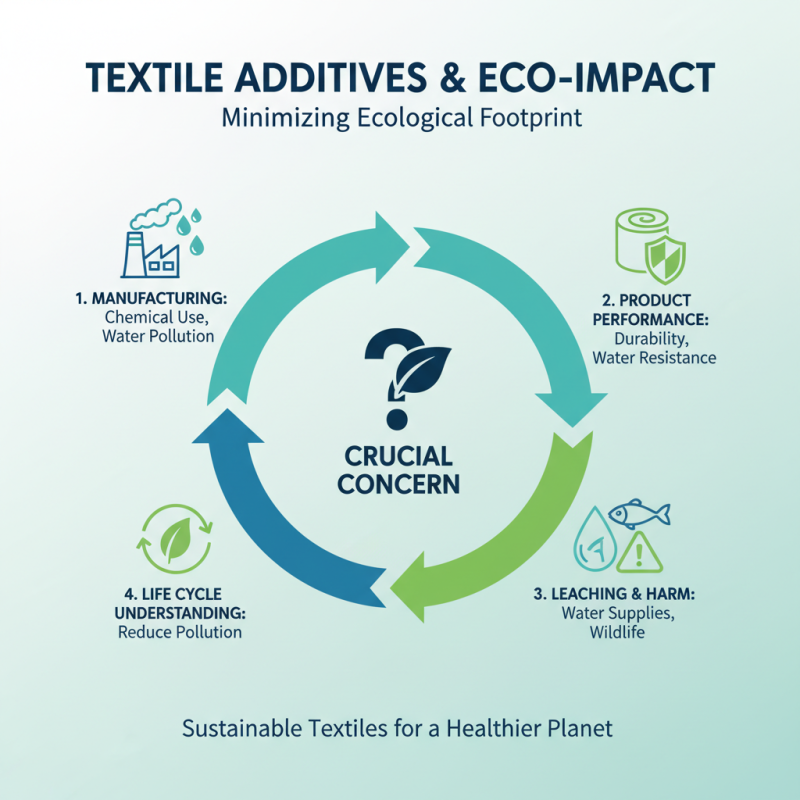
The environmental impact of textile additives in fabric manufacturing is an increasingly important concern. While these additives can enhance the performance of textiles—improving factors like durability, water resistance, and breathability—they may also contribute to pollution and degradation of ecosystems. Many of the chemicals used in these additives can be hazardous, potentially leaching into water supplies or harming wildlife. Therefore, understanding the life cycle of these materials is crucial for minimizing their ecological footprint.
When selecting textile additives, manufacturers should prioritize eco-friendly options that minimize environmental risks. For example, biodegradable or non-toxic alternatives can significantly reduce harmful effects on the environment. Additionally, implementing a closed-loop system in manufacturing can help mitigate waste by recycling water and materials, ultimately lessening the overall environmental impact.
**Tips:**
Consider choosing additives based on their environmental certifications—look for products that are labeled as environmentally friendly or sustainable. Staying informed about regulatory changes in textile manufacturing can also help brands adopt greener practices effectively. Finally, collaborating with suppliers who prioritize sustainability can lead to more responsible sourcing of textile additives.
Future Trends in Textile Additives and Fabric Innovation
The future of textile additives and fabric innovation holds exciting possibilities as advancements in technology and sustainable practices reshape the industry. One of the most significant trends is the development of bio-based additives, which offer eco-friendly alternatives to traditional synthetic chemicals. These natural additives not only enhance the performance characteristics of fabrics, such as moisture-wicking and UV protection, but also contribute to reduced environmental impact. As consumers become more conscious of sustainability, the demand for textiles made with biodegradable and renewable resources is expected to rise.
Additionally, smart textiles are paving the way for new innovations in fabric performance. Incorporating additives that enable electronic functionalities, such as temperature regulation and health monitoring, textiles are evolving beyond mere aesthetics and durability. This integration of technology allows for a more interactive user experience, promoting apparel that actively responds to the wearer’s needs. The competitive landscape will incentivize researchers and manufacturers to explore novel additives and production methods, ultimately leading to smarter, more versatile fabrics that cater to the demands of modern consumers.
Textile Additives and Fabric Performance