
Blog
- Home
- /
- Blog
Top PacBio Revio Sequencer Suppliers and Prices
Choosing a Pacbio Revio sequencer is a major investment, not a simple equipment purchase. Buyers need to compare suppliers, system configuration, installation, training, service coverage, and consumable availability. A low headline price may omit essential support or reflect a different package. The details matter.
This guide examines supplier options and explains how to assess pricing without treating unverified figures as firm quotes. Prices can change by region, purchase date, configuration, and contract terms. Request an itemized quotation that identifies included hardware, software, warranty, installation, and ongoing service. Check the supplier’s authorization and ask who handles technical support locally. These steps help make comparisons more meaningful, though they cannot guarantee identical offers.
A neat price table can mislead. It may leave out shipping, taxes, or site preparation, and public listings may be outdated. For that reason, this overview focuses on practical questions to ask rather than promising one universal price. Confirm current availability and terms directly with the manufacturer or a qualified supplier. Small omissions can affect the real budget. Where information is unclear, say so and seek written clarification before making a decision. That is less tidy, but more useful.
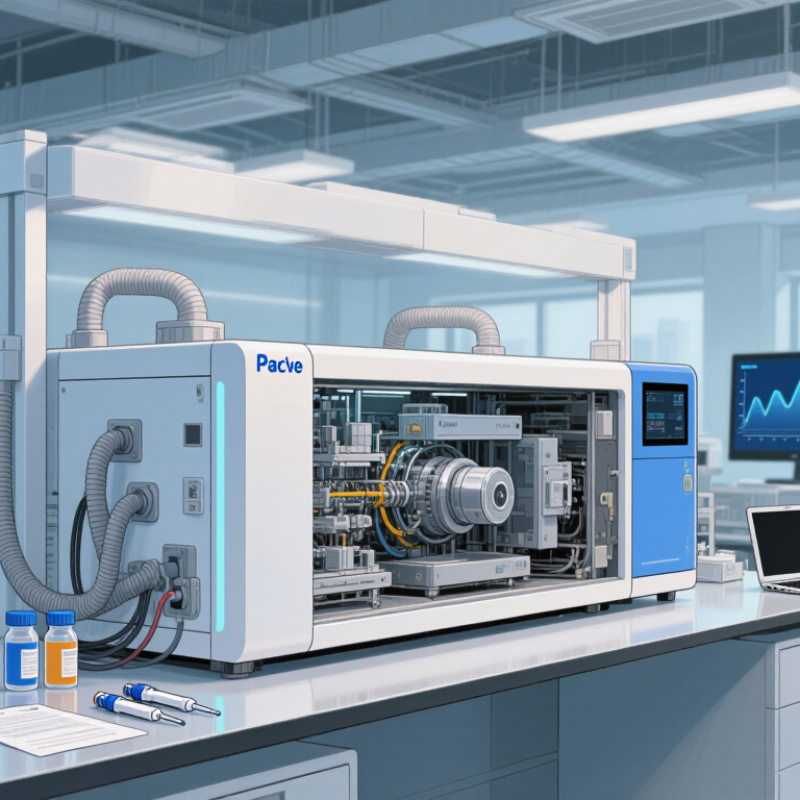
What the PacBio Revio Sequencer Is and How It Works
A high-throughput long-read sequencer reads DNA molecules that can span thousands of bases. Unlike short-read systems, it can preserve more of the original sequence context. That helps researchers examine complex regions, structural changes, and long stretches of genetic variation.
The workflow begins with DNA extraction and careful sample preparation. DNA fragments are fitted with small adapters, forming circular templates. Inside the instrument, tiny reaction wells hold these templates and sequencing enzymes.
As each enzyme copies a DNA strand, fluorescent signals mark the bases being added. The system records those signals in real time. It can read the same circular template multiple times, then combine the passes into a more accurate consensus sequence.
That matters.
Long reads can reveal patterns that are difficult to reconstruct from many short fragments. Yet sample quality, library preparation, and analysis choices still shape the result. No instrument fixes damaged DNA. Operators also need to balance read length, data output, and project needs; the best setup is not always the largest one.
A practical point: check sample requirements and service support before planning a run. Details can vary by configuration, and workflows take practice.
How to Identify Qualified PacBio Revio Sequencer Suppliers
A qualified supplier should understand the instrument beyond its sales brochure. Ask for a written configuration list, including the sequencer, computing hardware, installation scope, and required laboratory conditions. Request evidence of recent installations in facilities with similar sample volumes. A short call with an existing customer can reveal details brochures miss, such as delivery delays or training quality. Small details matter.
Check how the supplier handles commissioning and ongoing support. Confirm who installs the system, how quickly service staff respond, and whether replacement parts are locally available. Ask for a sample maintenance schedule and a clear warranty document. For a high-throughput long-read sequencing platform, also verify that staff can help assess workflow compatibility, data-storage needs, and operator training. A low quotation may exclude essential setup or support, so compare itemized offers rather than headline prices.
Look for transparent answers, not confident promises. Request references, service records where available, and a written delivery timeline with acceptance criteria. Have a technical lead review the proposal before signing. If specifications remain vague, pause. I would not treat one polished demonstration as proof of dependable performance; demonstrations rarely show the busy week when samples arrive late and a run needs troubleshooting. Ask what happens then.
What to Compare Across Revio Supplier Offers
Compare each long-read sequencing offer on total cost per usable sample, not the instrument price alone. Request an itemized quote covering the system, installation, training, service, software, and first-year consumables. Then ask for a sample run plan: expected reads per run, library-preparation costs, and realistic uptime. Small details matter. A low quote can exclude shipping or annual maintenance. Ask whether service response times and replacement parts are stated in writing.
Use independent benchmarks carefully. The U.S. National Human Genome Research Institute’s DNA Sequencing Costs database documents the steep decline in sequencing costs, with the cost of a human genome falling below the early $1,000 benchmark. That trend is useful context, but it does not predict the cost of a specific long-read workflow. Request recent, comparable performance data from each supplier, including failed-run rates and usable yield under your sample conditions. Compare like with like. A supplier’s best-case figure may not match your laboratory’s routine output.
Check the practical fit, too. Confirm bench space, power, cooling, data-storage needs, and staff time before signing. Ask for references from laboratories with similar sample volumes, and verify whether quoted throughput assumes continuous operation. I would also model a quieter month with fewer samples; utilization assumptions are easy to overestimate. Some quotes still leave uncertainty. That deserves a written answer, not a sales-call promise.
Top PacBio Revio Sequencer Suppliers and Prices - What to Compare Across Revio Supplier Offers
| Comparison dimension | What to compare in each offer | Useful benchmark or verification point |
|---|---|---|
| Instrument price | Request an itemized purchase price and identify included hardware, software, installation, and taxes or import charges. | Pricing is generally quote-based and can vary by region, configuration, contract, and service package. Compare written, like-for-like quotes rather than headline figures. |
| Reagents and consumables | Ask for the price per sequencing cell, required library-preparation materials, minimum order quantities, shipping conditions, and expiration dates. | Calculate consumable cost per planned sample or project using your expected number of cells and sample-preparation workflow; do not compare cell prices alone. |
| Throughput assumptions | Confirm the output assumptions used in any capacity or cost-per-sample estimate, including sample type, library quality, read-length target, and run schedule. | Published maximum output is up to 90 Gb of HiFi data per day under specified conditions. Actual yield depends on the sample, library preparation, run performance, and analysis criteria. |
| Cell capacity and utilization | Check how many sequencing cells can be run in parallel, whether partial capacity can be used, and how the proposed schedule matches your expected workload. | The system supports up to four SMRT Cells per run. Practical utilization depends on sample readiness, batching, staffing, and the laboratory’s demand. |
| Installation and acceptance | Specify delivery, site-readiness requirements, installation, qualification, operator training, and acceptance criteria in the quote. | Confirm whether these services are included in the purchase price or billed separately, and agree on the conditions for sign-off. |
| Warranty and service coverage | Compare warranty duration, covered parts and labor, preventive maintenance, service hours, response targets, and exclusions. | Ask for the annual cost of service after the initial warranty and clarify whether travel, replacement parts, and software support are covered. |
| Software and data storage | List included software, analysis features, license term, compute requirements, storage needs, updates, and any recurring subscription charges. | Request a complete description of the data workflow and recurring costs; check compatibility with your institution’s security and IT policies. |
| Training and ongoing support | Compare the number of training sessions, remote or on-site format, onboarding materials, and access to application support. | Ask who provides support in your region, how issues are escalated, and whether additional training or workflow assistance costs extra. |
| Delivery and payment terms | Confirm estimated lead time, quote validity, deposit or milestone schedule, delivery terms, cancellation conditions, and any financing options. | Use the same delivery location, currency, tax basis, and quote-validity period when comparing offers. |
| Total cost of ownership | Combine purchase, consumables, service, software, infrastructure, training, and expected utilization over your planned ownership period. | Compare cost per usable dataset or project using consistent yield and utilization assumptions, and document which costs are excluded. |
Note: Prices are not shown as fixed figures because supplier quotations vary by location, configuration, contract terms, and service coverage. Request current written quotations and verify all specifications and inclusions before purchase.
How PacBio Revio Sequencer Prices Are Structured
Pricing for a high-throughput, long-read sequencer is rarely just the instrument’s quoted price. A buyer’s budget may include the system, delivery, installation, staff training, service coverage, and compute capacity. Then come recurring costs: flow cells, library-preparation kits, quality-control supplies, and data storage. Ask suppliers to separate these line items. Otherwise, a low equipment quote can hide a costly per-run commitment.
The National Human Genome Research Institute’s DNA Sequencing Costs database tracks the sharp decline in sequencing costs, from roughly $100 million per human genome in 2001 to about $1,000 by 2014. That is a sequencing-cost benchmark, not a machine-price quote. Useful distinction.
For a purchase comparison, request the quoted instrument price, expected usable output per run, consumable cost per sample, and service terms. Model both full and partial instrument utilization; idle capacity still has a cost.
One awkward gap remains: public list prices are often unavailable, so regional taxes, support packages, and negotiated discounts can make supplier quotes difficult to compare directly. Ask for a written, itemized quote with assumptions stated.
How to Evaluate Total Cost Before Purchasing a Revio System
How to Evaluate Total Cost Before Purchasing a Sequencing System
A purchase quote is only the starting point. Compare the instrument price with delivery, installation, staff training, and any room or power upgrades your laboratory may need. Ask for a written breakdown, including service coverage, replacement parts, and response times. Not every cost is obvious. A low initial quote can become less attractive when support is limited or routine maintenance is excluded.
Tips: Estimate cost per sample, not just cost per run. Include library preparation, flow cells, controls, data storage, and analysis. Request realistic estimates for your expected workload, plus a lower-throughput scenario. Small details matter, such as whether installation includes workflow checks.
Before deciding, speak with laboratories that run similar sample volumes and ask what their first-year spending actually included. Check whether your current staff can manage the workflow, or whether added training and analysis support are needed. Also consider downtime: a delayed run can affect project schedules and make nominal capacity less useful. Compare suppliers using the same assumptions, and record what each estimate excludes. Estimates are imperfect; revisit them when your sample mix or throughput changes. A spreadsheet helps, though it will not capture every surprise.