Blog
- Home
- /
- Blog
2026 How to Optimize Processing Textile for Sustainable Fashion Industry?
The global fashion industry faces a pressing challenge: integrating sustainability into every aspect of production. One critical area is processing textile. Experts like Dr. Linda Green, a renowned authority in sustainable materials, emphasize the need for change. She states, "The future of fashion lies in how we process textile responsibly."
Processing textile involves various stages, from sourcing to finishing. Each step can significantly impact the environment. For instance, water consumption in dyeing processes is often staggering. Moreover, chemicals used can pollute waterways, affecting ecosystems. These issues point to the need for innovation and reassessment of current practices.
Sustainability in processing textile is not only desirable but essential. There are technologies available that can reduce waste and energy. However, the industry must confront its habits. Many brands tend to prioritize speed and cost over environmental impact. Some may resist change, fearing it could disrupt profitability. Yet, true progress lies in embracing alternative methods. This journey is complex but necessary for a truly sustainable fashion future.
Understanding the Current State of Textile Processing in Fashion Industry
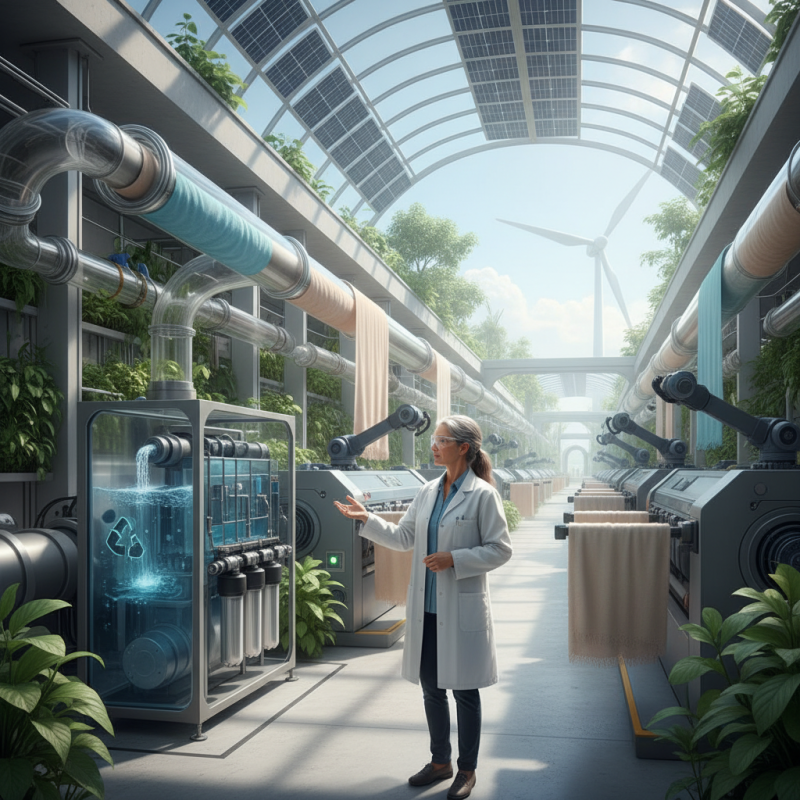
The fashion industry is at a crossroads. Current textile processing methods heavily impact the environment. In 2022, over 92 million tons of textile waste were generated globally. This underscores the need for sustainable practices in processing textiles.
Awareness of eco-friendly materials is improving. However, many brands still rely on non-sustainable practices. A report from McKinsey reveals that while 67% of consumers are willing to pay more for sustainable products, only 30% of the industry uses sustainable materials. This gap points to a significant area for improvement.
**Tips:** Focus on recycling textile scraps. Use digital printing to reduce dye waste. Consider local sourcing to cut carbon emissions.
Companies must rethink how they produce textiles. Many still use harmful chemicals in processing. This not only affects workers but also pollutes ecosystems. There’s a clear need to invest in better technologies. Unfortunately, innovation can be slow in high-pressure environments focused on profit. Sustainable processing can offer both environmental and economic benefits if addressed correctly.
2026 How to Optimize Processing Textile for Sustainable Fashion Industry?
| Textile Processing Method | Environmental Impact (CO2 Emissions) | Water Consumption (Liters) | Waste Generation (kg) | Energy Usage (kWh) |
|---|---|---|---|---|
| Conventional Dyeing | 50 kg | 150 liters | 20 kg | 80 kWh |
| Eco-Friendly Dyeing | 20 kg | 30 liters | 5 kg | 30 kWh |
| Waterless Dyeing | 15 kg | 0 liters | 2 kg | 25 kWh |
| Recycled Material Processing | 30 kg | 50 liters | 10 kg | 60 kWh |
| Digital Printing | 10 kg | 20 liters | 1 kg | 20 kWh |
Identifying Key Challenges in Sustainable Textile Processing
The sustainable fashion industry faces significant challenges in textile processing. The global textile industry produces over 92 million tons of waste annually, according to the Ellen MacArthur Foundation. This statistic highlights the urgency for change. Improving recycling processes is essential. Current methods often yield low-quality fabrics, hindering their reuse.
Water consumption is another pressing issue. It takes about 7,500 liters of water to produce one kilogram of cotton. This level of resource depletion is unsustainable. Brands are exploring alternative fibers that require less water and provide similar quality. However, innovations must overcome scalability issues, making it difficult to implement solutions widely.
Moreover, pollution from dyeing processes is a concern. A staggering 20% of global water pollution comes from the textile sector, as per the UN. Many companies are slow to adopt eco-friendly dyes. This delay is troubling. The industry has the potential to revolutionize how textiles are processed. Yet, without collective action, the path toward sustainable practices is fraught with challenges.
Innovative Techniques for Reducing Waste in Textile Production
The textile industry faces immense pressure to reduce waste. Innovative techniques can lead to more sustainable production methods. For instance, 3D knitting technology allows for precise fabric creation. This process minimizes offcuts and reduces excess material. Also, digital printing helps decrease dye waste. Unlike traditional methods, it uses only the required amount of ink.
Recycling is another vital approach. Sustainable materials can be produced from pre-consumer and post-consumer waste. This not only cuts down on landfill waste but also reduces the need for virgin resources. While some fabrics are easier to recycle, others pose challenges. Not all textile blends are recyclable, leading to ongoing discussions in the industry.
Water usage remains a concern. Techniques such as closed-loop water systems can help. These systems recycle water during production, reducing water consumption. Still, many facilities find it difficult to fully implement these systems. Change requires investment and commitment, but it is necessary for a sustainable future in fashion. The journey toward sustainability is complex and not without hurdles. Each step taken can lead to significant improvement.
Implementing Circular Economy Practices in Textile Processing
The textile industry faces significant challenges in becoming sustainable. Implementing circular economy practices can greatly enhance textile processing. Research indicates that the global textile waste is expected to reach 92 million tons by 2026. This staggering amount highlights the urgent need for change.
One approach is to adopt recycling technologies within the production process. For instance, using recycled fibers can reduce water consumption by about 50%. Additionally, integrating biodegradable materials fosters a sustainable lifecycle. However, many manufacturers struggle with transitioning from traditional methods. Some lack the infrastructure to support these changes.
Moreover, focusing on energy efficiency is crucial. The textiles sector accounts for nearly 10% of global carbon emissions. Organizations need to invest in renewable energy sources. Education and training for workers are vital in ensuring best practices. Many still cling to outdated processes, which hinders progress. The journey towards sustainability isn't smooth, but rethinking textile processing offers opportunities for innovation.
Collaborative Approaches to Enhance Sustainability in Fashion Supply Chains
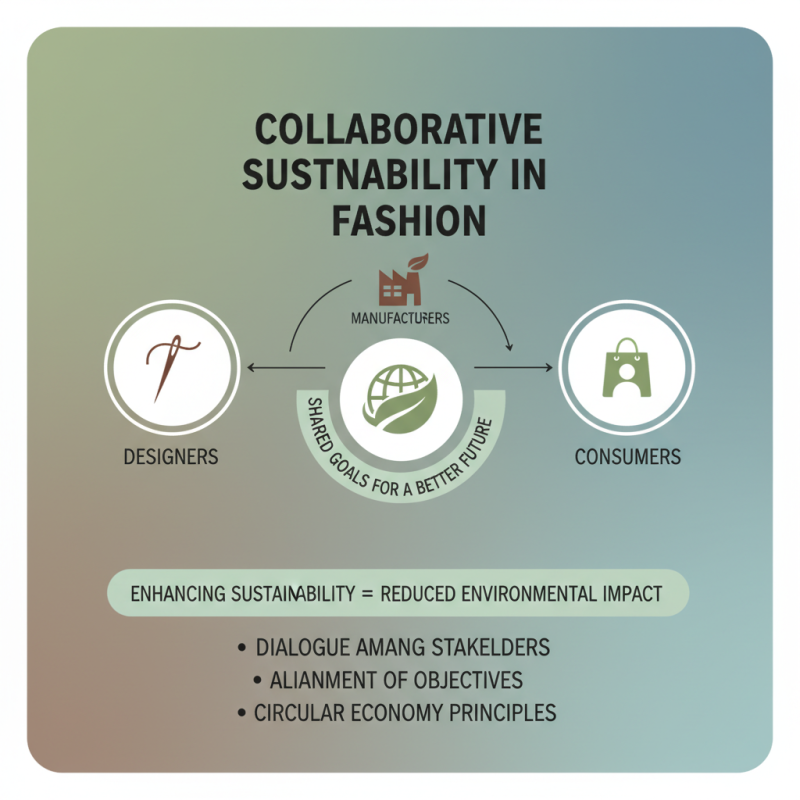
Collaborative approaches are crucial for enhancing sustainability in fashion supply chains. The textile industry is notorious for its environmental impact. Many stakeholders engage in dialogues to address these challenges. Designers, manufacturers, and consumers must align their goals to create a more sustainable future.
Innovative practices can emerge through collaboration. For instance, recycling programs may rely on partnerships between textile producers and waste management companies. Sharing resources and knowledge can lead to effective solutions. However, these collaborations are not always seamless. Misalignment in objectives can hinder progress and create confusion. Open communication becomes essential to navigate these hurdles.
Sustainable fashion requires collective effort. Educating all players in the supply chain is vital. Workshops and forums can foster understanding of best practices. Yet, there may be resistance to change. Traditional methods are hard to abandon. The industry must confront this reluctance to progress. Only through dedicated collaboration can meaningful change occur.
Related Posts
-
10 Essential Tips for Choosing the Right Textile Mills for Your Needs?
-
Why Choosing the Right Distributor Textile Can Boost Your Business Growth by 30%
-

Top Tips for Optimizing Your Textile Website for Better Search Rankings
-

2026 Top Textile Distributors You Should Know About?
-

Top Textile Distributors You Should Know About?
-

10 Essential Tips for Effective Textile Finishing Techniques?