
How to Source High Quality Chamomile Extract?
Sourcing high-quality Chamomile Extract requires more than choosing a familiar botanical name. It demands evidence from farm to finished batch.
David Winston, a respected herbalist and educator, has described chamomile as “one of the safest and most useful herbs for children.” This simple observation explains its popularity. It also reminds buyers that gentle products still require serious quality control.
Start by confirming the botanical identity. German chamomile, Matricaria chamomilla, is not interchangeable with every chamomile species. Ask suppliers for the plant part, harvest location, cultivation method, and extraction solvent. These details affect color, aroma, solubility, and active compounds.
Look for a complete certificate of analysis. It should include marker compounds, such as apigenin, when relevant to the product specification. Testing should also address pesticides, heavy metals, microbial contamination, residual solvents, and adulteration. A clear batch number matters.
Traceability matters more.
A reliable supplier can connect the extract to a specific harvest and production record. Photos of dried flower heads may help, but they cannot replace laboratory testing. That is an easy mistake to make.
Review stability data, packaging, storage temperature, and shelf life. A pale powder with a pleasant scent may still perform poorly after moisture exposure. Request a representative sample and compare it with the final commercial batch.
The process is not perfectly simple. Natural variation occurs between seasons, and aggressive standardization can hide useful complexity. Buyers should balance consistent specifications with honest botanical identity. With documented testing, experienced manufacturers, and cautious evaluation, Chamomile Extract can become a dependable ingredient rather than a hopeful purchase.
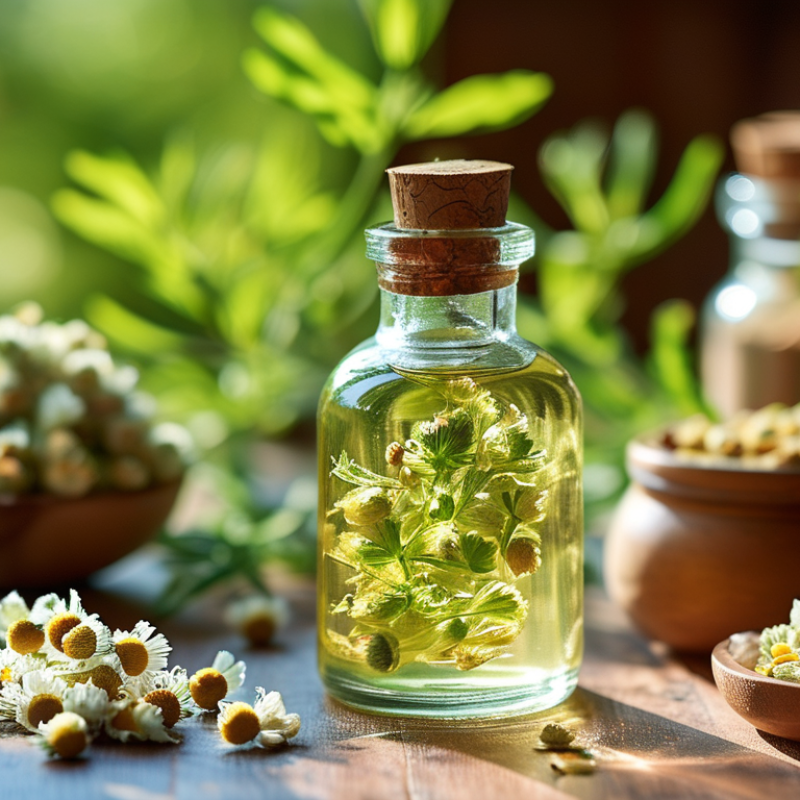
Define Chamomile Extract Types and Intended Applications
High-quality chamomile extract begins with the intended application, not the lowest price. For tea, choose a water extract with a clean aroma, low microbial counts, and verified pesticide testing. For dietary formulations, a hydroalcoholic extract may provide broader flavonoid recovery. Standardization should identify markers such as apigenin or total flavonoids. For creams, a glycerin or glycol extract can offer easier blending and a softer sensory profile. Chamomile essential oil is different. It is volatile, concentrated, and unsuitable as a direct substitute for a botanical extract.
The European Medicines Agency’s assessment report recognizes Matricaria recutita preparations for traditional digestive and minor skin applications. WHO’s Global Report on Traditional and Complementary Medicine states that 88% of Member States acknowledge traditional medicine use. These references support careful positioning, not exaggerated claims. During sourcing, request the botanical name, plant part, extraction solvent, ratio, harvest region, and batch-specific certificate of analysis. Confirm HPLC results, residual solvents, heavy metals, microbial limits, and adulteration screening. Inspect the powder’s color and odor, too. Data can still miss handling damage.
A practical mistake is treating “standardized” as automatically superior. A high marker level may not suit a mild tea or sensitive-skin product. Ask for stability data in the final formula, not only in the drum. Suppliers should also provide traceability records and retain samples for independent testing. That discipline costs more. It prevents costly surprises.
| Extract Type | Typical Botanical Source | Main Constituents or Markers | Extraction Medium or Process | Best-Suited Applications | Key Quality Indicators | Important Sourcing Considerations |
|---|---|---|---|---|---|---|
| Water Extract | Matricaria chamomilla (German chamomile) or Chamaemelum nobile (Roman chamomile) | Water-soluble phenolic compounds, including flavonoid glycosides; the exact profile depends on the species and plant material used. | Hot-water infusion, decoction, or controlled aqueous extraction followed by filtration and concentration. | Herbal teas, water-based beverages, aqueous cosmetics, rinse-off products, and traditional botanical preparations. | Botanical identity, characteristic odor and color, soluble solids, microbial limits, heavy metals, pesticide residues, and absence of adulterating plant material. | Ask whether the product is a true extract or simply dried chamomile powder. Confirm the native extract ratio and carrier used after drying. |
| Hydroalcoholic Extract | Most commonly German chamomile; Roman chamomile may also be used depending on the application. | Broad-spectrum phenolics and flavonoids; German chamomile extracts may be standardized to apigenin-related markers or other validated analytical markers. | Extraction with a controlled water-ethanol mixture, followed by filtration and concentration. Ethanol is generally removed or reduced according to the finished specification. | Dietary supplement liquids or capsules, functional foods, skin-care products, and research-oriented botanical formulations. | Species authentication, solvent residue, marker-compound assay, microbial limits, pesticide residues, heavy metals, and batch-to-batch chromatographic consistency. | Request the ethanol percentage used during extraction, residual-solvent results, extract ratio, marker specification, and stability data. |
| Glycerin Extract | German chamomile or Roman chamomile flowers, depending on the intended use. | Glycerin-soluble and water-soluble botanical constituents, with a milder aromatic profile than volatile-oil-rich preparations. | Extraction with vegetable glycerin, water, or a glycerin-water blend. The finished liquid normally retains glycerin as the carrier. | Leave-on cosmetics, facial products, shampoos, scalp products, and alcohol-free liquid formulations. | Glycerin content, botanical identity, pH, appearance, odor, microbial quality, preservative effectiveness where relevant, and contaminant testing. | Check whether the glycerin is plant-derived, whether preservatives are included, and whether the product is suitable for the target cosmetic regulatory category. |
| Dry Powder Extract | Usually prepared from German chamomile flower heads; the botanical species must be stated clearly. | Marker compounds may include apigenin derivatives and other validated phenolic constituents. The profile varies with extraction solvent and drying conditions. | Liquid extraction followed by concentration and spray-drying or vacuum-drying, commonly with a carrier such as maltodextrin or gum acacia. | Capsules, tablets, sachets, instant beverages, powdered cosmetic masks, and dry premixes. | Moisture, water activity, particle size, bulk density, carrier percentage, marker assay, microbial limits, mycotoxins where applicable, heavy metals, and pesticides. | Confirm the extract-to-herb ratio, carrier-to-extract ratio, drying temperature, hygroscopicity, and packaging protection against moisture and light. |
| CO2 Extract | Commonly produced from German chamomile flower material; the plant part and species should be specified. | More lipophilic constituents, including selected volatile and non-polar compounds; the profile depends strongly on pressure, temperature, and fractionation. | Supercritical carbon dioxide extraction, sometimes followed by fractionation to separate aromatic or heavier fractions. | Premium cosmetic oils, balms, serums, massage products, and formulations requiring a concentrated lipophilic botanical fraction. | GC-MS or equivalent volatile-profile testing, marker-compound fingerprint, residual-solvent confirmation, oxidation indicators, appearance, odor, and stability. | Confirm whether the material is a total extract or a selectively fractionated extract. Protect it from oxygen, heat, and light during storage. |
| Chamomile Essential Oil | German chamomile or Roman chamomile; these oils have distinctly different chemical profiles and aromas. | Volatile constituents. German chamomile oil is commonly associated with chamazulene and related sesquiterpenes, while Roman chamomile oil is typically characterized by esters such as angelates. | Steam distillation of the flower heads or aerial parts, depending on the declared botanical specification. | Fragrance, aromatherapy, diluted topical products, and selected cosmetic applications. It is not equivalent to a water-soluble chamomile extract. | Botanical identity, GC-MS chromatogram, density, refractive index, optical rotation where applicable, peroxide value, adulteration screening, and allergen declaration. | Do not substitute essential oil for a non-volatile extract. Verify dilution requirements, topical-use limits, oxidation control, and applicable fragrance-allergen labeling. |
| Standardized Extract | Most often a clearly identified chamomile species with a defined plant part and validated marker compounds. | A declared concentration range for selected chemical markers, such as apigenin-related compounds or other constituents appropriate to the extraction method. | Any validated extraction process may be used, but the final product is adjusted or controlled to meet a documented marker specification. | Products requiring reproducible composition, including supplements, finished cosmetic formulas, and technical or research applications. | Validated analytical method, certificate of analysis, marker range, identity testing, assay repeatability, stability results, and traceability across batches. | “Standardized” should be supported by a numerical specification and test method. A general claim without a defined marker range is insufficient for reliable comparison. |
| Non-Standardized Botanical Extract | German or Roman chamomile, with the exact species, plant part, and harvest details stated on the specification. | Naturally variable mixture of constituents; composition can change with cultivar, harvest time, drying, storage, and extraction conditions. | May be aqueous, hydroalcoholic, glycerin-based, or produced by another documented method without adjustment to a fixed marker level. | Traditional herbal products, general botanical cosmetics, teas, and applications where natural compositional variation is acceptable. | Identity, organoleptic profile, contaminant limits, microbial quality, extract ratio, manufacturing records, and a suitable chromatographic fingerprint. | Use only when the application can tolerate normal botanical variation. Define acceptance criteria for color, odor, marker fingerprint, and contaminants before purchasing. |
| Quality-Sourcing Baseline for Any Extract | Species name, plant part, country or region of origin, and taxonomic authentication should be documented. | The selected marker should match the extraction type and intended application; one marker alone may not describe the complete quality profile. | The process should identify solvent system, extraction ratio, concentration steps, drying method, carriers, and any preservatives. | Applicable to food, supplement, cosmetic, personal-care, and research formulations after checking the relevant local requirements. | Certificate of analysis, identity testing, microbial limits, heavy metals, pesticide residues, residual solvents, mycotoxins where relevant, stability, and full traceability. | Prioritize a documented specification, representative sample approval, independent testing when appropriate, tamper-evident packaging, and storage conditions matched to the extract. |