
Blog
- Home
- /
- Blog
What is Glycolic Acid and How Does It Benefit Your Skin?
Glycolic Acid has gained significant attention in skincare. Esteemed dermatologist Dr. Ava Shamban once said, "Glycolic Acid is the powerhouse of exfoliation." This statement reflects the compound's ability to transform skin health. Derived from sugarcane, Glycolic Acid is part of the alpha hydroxy acid (AHA) family.
It penetrates the skin effectively, promoting cell turnover. The gentle exfoliation reveals smoother, brighter skin underneath. Many users report a reduction in fine lines and dark spots. However, overuse can lead to irritation or redness. It is essential to approach this powerful acid with caution.
Skin types vary, and what works for one may not suit another. Consultation with a skincare professional is advisable. While Glycolic Acid offers many benefits, understanding your skin’s needs is crucial. Tailoring its use can create optimal results without adverse effects. Each journey with Glycolic Acid can be unique, reflecting one’s personal skin story.
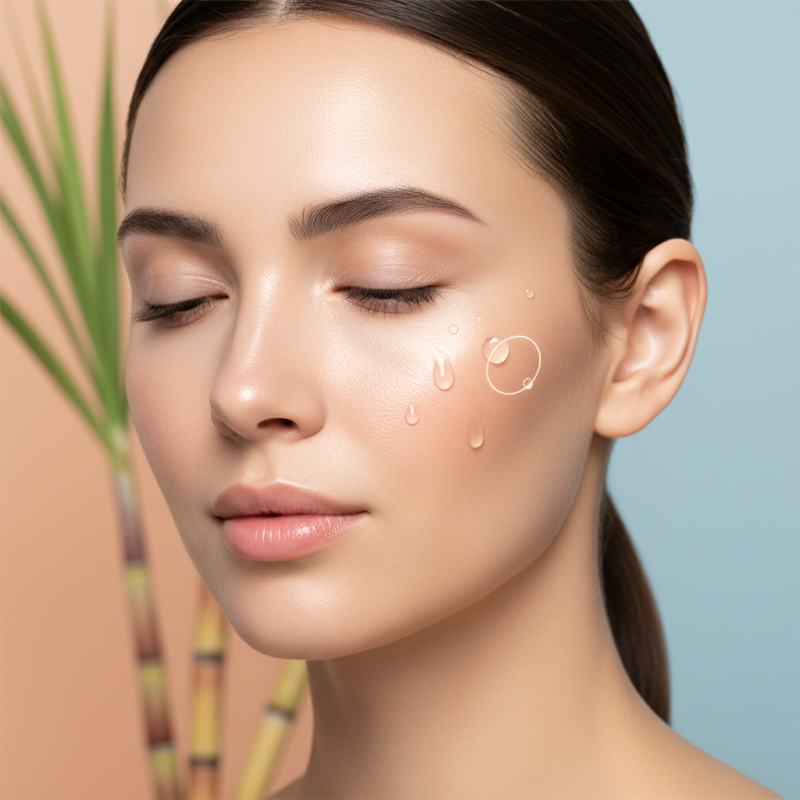
What is Glycolic Acid: A Comprehensive Overview of Its Chemical Properties
Glycolic acid is an alpha hydroxy acid (AHA) derived from sugar cane. Its small molecular size allows it to penetrate the skin deeply. This ability promotes effective exfoliation, helping to remove dead skin cells. As a result, the skin looks brighter and feels smoother.
Using glycolic acid can have several benefits. It can reduce the appearance of fine lines and wrinkles. With regular application, it improves skin texture and tone. However, it's essential to start slowly. Overuse can lead to irritation or sensitivity.
Tips: Always use sunscreen. Glycolic acid can make your skin more sensitive to sunlight. Consider patch testing before applying it to your face. A little caution goes a long way!
What is Glycolic Acid and How Does It Benefit Your Skin?
| Property | Description |
|---|---|
| Chemical Formula | C₂H₄O₃ |
| Molecular Weight | 76.05 g/mol |
| Source | Sugarcane and Sugar Beets |
| pH Level | 3.0 - 4.0 (acidic) |
| Skin Benefits | Exfoliation, Brightening, Reducing Acne Scars |
| Usage Products | Cleansers, Toners, Serums, Peels |
| Recommended Concentration | 5% - 10% for beginners, up to 20% for experienced users |
| Side Effects | Mild irritation, redness, sensitivity to sun |
The Role of Glycolic Acid in Exfoliation and Skin Cell Renewal
Glycolic acid plays a crucial role in exfoliation and skin cell renewal. It is an alpha-hydroxy acid (AHA) derived from sugar cane. This acid works by breaking down the bonds that hold dead skin cells together. As a result, skin looks fresher and more refined. This process reveals healthier skin underneath.
Incorporating glycolic acid into your routine can enhance your skin's texture. It promotes the turnover of skin cells, which is vital for a radiant complexion. However, too much glycolic acid can irritate the skin. It may lead to redness or excessive dryness. Finding the right balance is essential. Start with lower concentrations and observe how your skin reacts.
The benefits of glycolic acid extend to reducing fine lines and hyperpigmentation. However, results take time. Skin types vary, and not every method suits everyone. Some may experience sensitivity, while others enjoy smooth results. Regular use can lead to improvements, but patience and caution are key. You might want to consult a professional to ensure the best approach for your skin type.
Clinical Studies: Glycolic Acid Concentrations and Their Effects on Skin
Glycolic acid is a well-known alpha hydroxy acid (AHA) widely used for skincare. Clinical studies indicate that it can provide significant benefits when used at varying concentrations. Research shows that 5% glycolic acid helps in improving skin texture and tone. Users often notice a reduction in visible pores and fine lines after consistent use.
Higher concentrations, like 10% to 20%, enhance skin renewal. A clinical trial revealed that participants experienced a noticeable reduction in hyperpigmentation within four weeks. However, some users reported irritation at these levels. The balance between effectiveness and comfort is crucial. Understanding personal skin sensitivities is vital before using higher concentrations of glycolic acid.
It's important to recognize that not everyone responds positively. Some individuals reported redness and dryness, indicating a need for patch testing. Skin types vary, and what works beautifully for one might not suit another. Therefore, gradual introduction to glycolic acid is advisable, even at lower concentrations. Careful observation can lead to better outcomes.
Potential Skin Benefits: Acne Treatment, Hyperpigmentation, and Aging
Glycolic acid is a popular skincare ingredient derived from sugarcane. It is an alpha-hydroxy acid (AHA) known for its exfoliating properties. When applied to the skin, it works by removing dead skin cells. This process promotes cell turnover, leading to a smoother complexion.
One of the significant benefits of glycolic acid is its effectiveness in treating acne. It helps unclog pores and reduces the formation of blemishes. Many users notice fewer breakouts with consistent use. In addition, glycolic acid can lighten hyperpigmentation. It helps fade dark spots and even out skin tone, which is often a concern for many individuals.
Aging is another area where glycolic acid shines. It assists in minimizing the appearance of fine lines and wrinkles. As we age, our skin loses its natural glow. Glycolic acid can rejuvenate tired skin, making it look more radiant. While many appreciate these benefits, results can vary. Some may experience irritation or dryness, prompting a need for moderation and patience in their routines. It is essential to listen to your skin and adjust accordingly.
Safety and Side Effects: Understanding Usage Guidelines for Glycolic Acid
Glycolic acid is a powerful exfoliant that helps improve skin texture. However, its use requires caution. Start with a lower concentration to see how your skin reacts. This can prevent irritation and redness during the initial phase. Understanding your skin type can help tailor the usage effectively.
While glycolic acid offers many benefits, it can also come with side effects. Common issues include dryness, peeling, and irritation. These reactions often reveal the skin's adjustment process. Applying too much too soon can worsen these effects, leading to longer recovery times. It’s essential to monitor your skin's response closely.
Always wear sunscreen when using glycolic acid. The skin becomes more sensitive to sunlight. Regular use without sun protection can lead to further damage. Listen to your skin; if it feels uncomfortable, dial back the frequency. Adjusting your routine based on your skin's needs is critical for achieving the best results.