Colourinn Industries – Textile & Dyes Auxiliaries Manufacturer & Exporter

Blog

  1. Home
  2. /
  3. Blog

10 Essential Tips for Choosing the Right Textile Mills for Your Needs?

Choosing the right textile mills can be a daunting task. Many factors come into play when making this choice. Each decision can impact the quality and cost of your fabric.

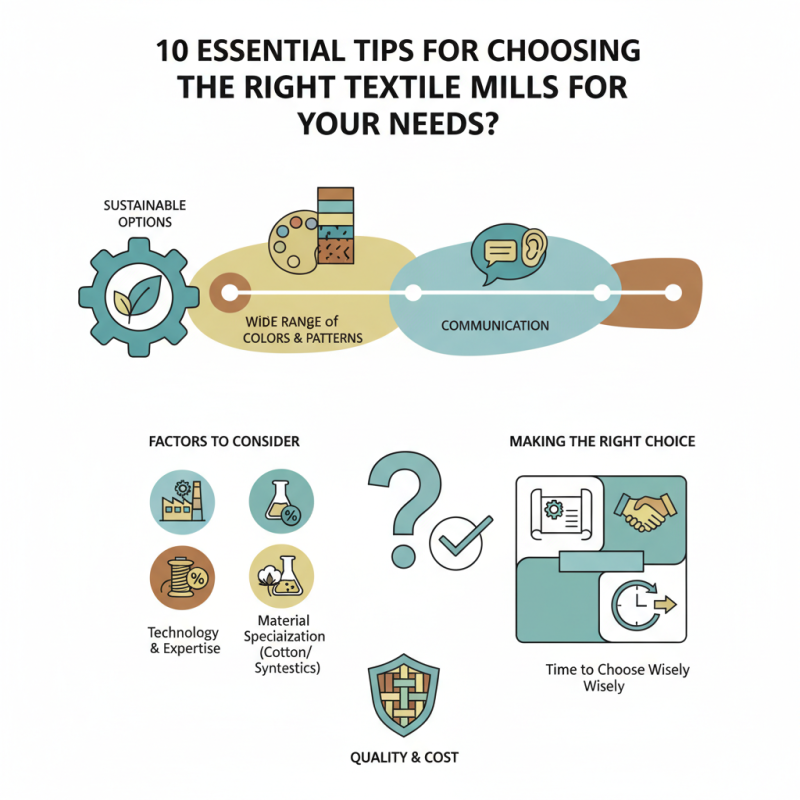
Textile mills vary significantly in terms of technology, expertise, and production capacity. Some may specialize in cotton, while others focus on synthetic materials. Understanding your specific needs is crucial. Do you require sustainable options? Or are you looking for a wide range of colors and patterns?

It's also important to consider communication. The best textile mills will listen to your requirements and offer solutions. Sometimes, mills might not deliver what they promise. This can lead to regrets later on. Taking time to choose wisely will prevent issues down the road. Your project deserves the right partner in textile mills.
10 Essential Tips for Choosing the Right Textile Mills for Your Needs?

Understanding Your Textile Requirements: Types and Uses

When selecting textile mills, understanding your specific fabric requirements is crucial. Different types of textiles serve various functions. For instance, cotton is popular for its breathability. Wool offers warmth and durability, making it ideal for sweaters and outerwear. Synthetic fibers like polyester are used for their strength and resistance to wrinkles. This diversity in fabric types allows businesses to cater to specific needs.

Industry reports show that approximately 35% of consumers prioritize fabric quality. The right textile can enhance product appeal significantly. For activewear, moisture-wicking fabrics are essential to ensure comfort. Household textiles, such as curtains and upholstery, require aesthetic and functional considerations. Companies often struggle to balance cost with quality; sourcing from mills that utilize sustainable practices can impose higher initial costs, yet lead to long-term benefits.

Many businesses lack clarity on required specifications. It’s common for companies to overlook fabric certifications, which could affect safety and quality. Engaging in thorough research and direct communication with mills may uncover vital details. A missed understanding of your textile needs can lead to excess inventory or unsellable products. Each mill has its strengths and limitations. Aligning with the right one can be a reflective journey in the textile industry.
Evaluating Textile Mills: Key Performance Indicators and Metrics

When evaluating textile mills, focus on key performance indicators (KPIs) that matter to your production needs. On-time delivery is crucial. A mill that consistently meets deadlines ensures that your supply chain runs smoothly. Look for clear data on delivery performance. Quality is another vital metric. Check for defect rates and certifications. High-quality materials reflect on your final products. Don't take their word for it; ask for samples.

One essential tip is to assess the mill’s sustainability practices. Eco-friendly operations can be a sign of a forward-thinking company. Investigate their waste management and resource usage. Transparency in these areas is a positive sign. Communication is also key. Mills that are open to questions and discussions often provide better service. A reliable partner will keep you informed at every stage.

Lastly, consider the mill’s flexibility. Can they handle smaller orders? How quickly can they adjust to your needs? Flexibility can be the difference between success and failure in production. Many mills claim they can adapt, but real-life experience tells another story. Be cautious and do your homework.

Sustainability Practices in Textile Manufacturing: What to Look For

10 Essential Tips for Choosing the Right Textile Mills for Your Needs?

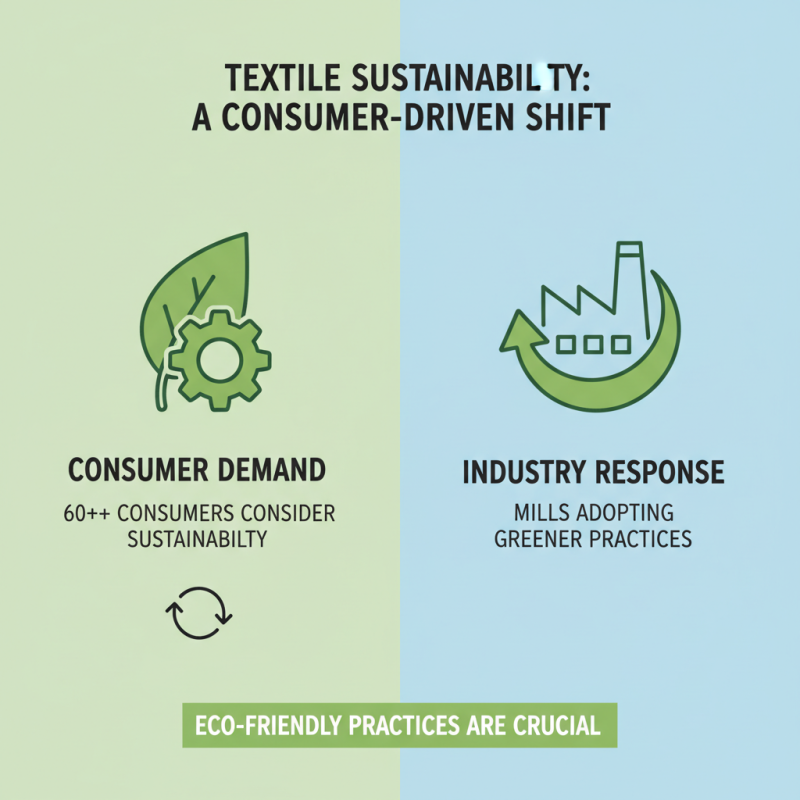
Sustainability has become a crucial factor in textile manufacturing. Many consumers are now demanding eco-friendly practices from mills. Reports indicate that over 60% of consumers consider sustainability when making purchasing decisions. This shift is prompting mills to adopt greener practices.

Look for mills that prioritize water management. The textile industry is responsible for draining significant water resources. Some mills use innovative techniques that reduce water usage by up to 90%. Additionally, recycling water is becoming more common. This not only conserves resources but also cuts costs.

Check if the mills use organic materials. Organic cotton, for instance, requires less water and avoids harmful pesticides. Certification from recognized organizations can help verify these practices. However, it is essential to recognize that not all claimed organic materials are verified. Transparency is key, and consumers need to look for trusted certifications. Sustainable practices are evolving, but gaps still exist in achieving comprehensive ecological responsibility.

Assessing Quality Control Standards in Textile Production

Quality control in textile production is crucial. It ensures that fabrics meet specific standards. According to the Textile Industry Association, about 80% of production defects occur during the manufacturing process. This statistic highlights the need for strict quality control measures. Inspecting raw materials and conducting regular audits can minimize these issues.

To assess quality control, check certifications. Look for compliance with ISO standards or Oeko-Tex certification. Many mills may claim adherence to these standards, but verification is essential. A report from the Global Textile Alliance states that only 60% of mills consistently meet quality benchmarks. This inconsistency can lead to troublesome outcomes for buyers.

Moreover, transparency is vital. Mills should provide detailed reports about their quality control protocols. Regular testing of finished products is necessary. Some mills skip this step to cut costs, risking quality. A factory that does not test often may compromise the integrity of your textile products. Understanding these aspects can lead to better choices in textile sourcing.

Cost Analysis: Balancing Price and Quality in Textile Sourcing

When sourcing textiles, cost is often a major consideration. Balancing price and quality can be challenging. You want high-quality materials without overspending. Analyze your budget carefully. Determine how much you can allocate for textiles while maintaining product standards. Remember, cheaper isn't always better. Poor quality materials can lead to higher long-term costs.

Consider the production processes of the mills. Some may use eco-friendly methods that incur additional costs, but provide better quality. Investigate what makes the mill's products unique. Look for certifications and industry standards. These can be indicators of quality, even if the price is higher. Don't assume all mills operate the same way.

Negotiation is a part of the sourcing process. However, remember to be respectful. Mills that feel undervalued may not provide the best service. Build relationships instead. Communicate your needs clearly, and ask about value-added services. This can lead to better deals in the long run. Balancing price and quality requires thoughtfulness and ongoing adjustments.

Cost Analysis: Balancing Price and Quality in Textile Sourcing