
Colourinn Industries – Textile & Dyes Auxiliaries Manufacturer & Exporter

Blog

  1. Home
  2. /
  3. Blog

How to Choose the Right Synthetic Textile Machine for Your Needs?

Choosing the right Synthetic Textile Machine is crucial for your production needs. This equipment plays a vital role in the manufacturing process. The market offers a variety of options, each with unique features. It's easy to feel overwhelmed when trying to select the perfect machine.

Consider the type of textiles you intend to produce. Different machines cater to different materials. You might require a machine that excels in versatility or one focused on a specific fabric type. Don't rush the decision-making process. Take the time to assess your needs and budget thoroughly.

Ask yourself what matters most in your production line. Is it speed, efficiency, or quality? Reflect on your priorities. A mismatched machine can lead to inefficiencies and wasted resources. In the end, investing time in research will save you headaches down the road. Making an informed choice now can significantly enhance your production outcomes.
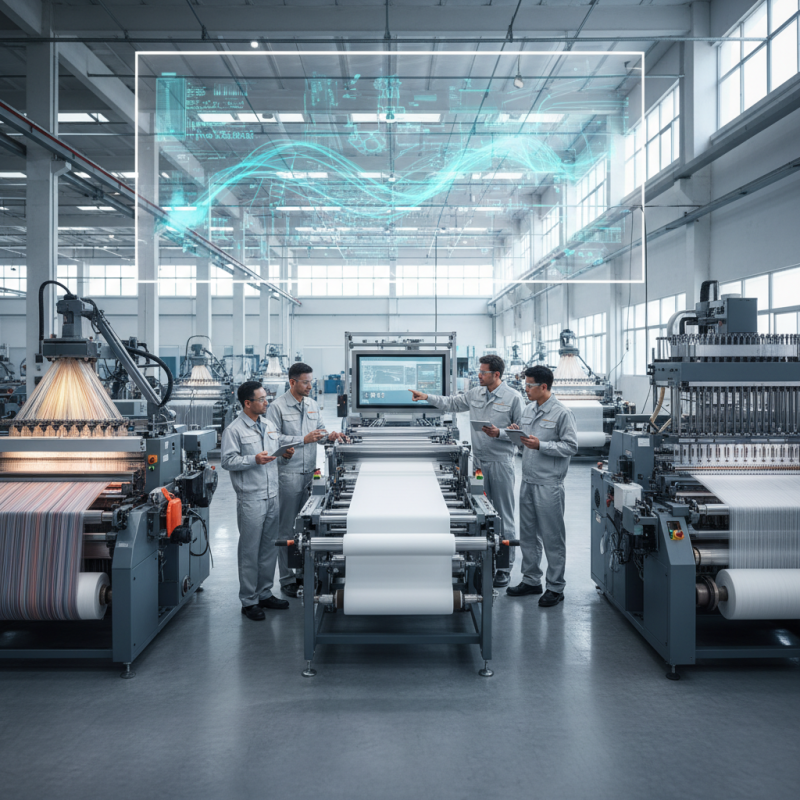
How to Choose the Right Synthetic Textile Machine for Your Needs?

Understanding Different Types of Synthetic Textile Machines Available

When selecting synthetic textile machines, it’s essential to understand the various options available. Broadly, these machines can be categorized into weaving, knitting, and non-woven categories. Each type serves distinct purposes and applications in the textile industry. According to a recent market analysis, global demand for synthetic textiles is expected to grow by over 4% annually until 2027, highlighting the importance of choosing the right equipment.

Weaving machines are designed for fabric production by interlacing yarn threads. They can range from traditional shuttle looms to advanced rapier and air-jet looms. Reports indicate that air-jet looms are popular due to their high-speed capabilities. However, they can be more challenging to maintain. Knitting machines, on the other hand, are ideal for creating stretchable fabrics. Circular and flat knitting machines vary in design and output, which can impact efficiency and cost. Non-woven machines provide an alternative by bonding fibers rather than weaving them. This category is growing due to its application in disposable products.

While selecting a machine, consider your production volume and fabric type. Some users report difficulties in adapting their existing machinery to newer technologies. This can lead to unexpected downtime or decreased productivity. Furthermore, finding the right balance between cost and efficiency is complex. Investing in high-tech machines may initially seem beneficial, but operational costs can accumulate. Understanding these nuances is vital for making an informed decision, ensuring your machinery aligns with your specific needs.

Assessing Your Specific Needs and Production Goals

When selecting a synthetic textile machine, understanding your specific needs is crucial. Start by evaluating your production goals. What is your target output? Consider the types of fabrics you want to produce. Some machines excel in synthetic blends, while others work best with pure fibers. Think about whether you need versatility or specialized functions.

Assess the scale of your operation. Are you a small startup or a large manufacturer? This affects your investment and operational choices. A smaller machine may fit well into a limited space but might limit your output. On the other hand, larger machines can be costly and require more maintenance. Remember, every decision has trade-offs, and no machine can do it all.

Engage with your production team. They understand daily challenges and can provide valuable insights. Communicate openly about their experiences and preferences. Sometimes the latest technology isn’t necessary, and a reliable, older model may suit your needs better. Reflect carefully on these aspects to ensure you choose a machine that aligns with both your current capabilities and future aspirations.

Key Features to Consider When Choosing a Synthetic Textile Machine

When choosing a synthetic textile machine, key features matter. Consider the machine's speed. A faster machine can enhance productivity. Look at the varying options available. Different types handle different materials well. Knowing your fabric type is crucial. Do you need high flexibility? Or perhaps durability is a priority?

Next, think about the machine's automation level. Fully automated machines save time. However, they might lack precision with unusual fabrics. Semi-automated options can offer better control, though they require more operator input. This balance between efficiency and detail is important.

Lastly, evaluate the machine's maintenance requirements. Some machines may need frequent servicing. This factor can affect long-term costs. Weigh your choices carefully. It's easy to overlook these aspects during the selection process. Each feature impacts your overall satisfaction with the machine.

Evaluating the Brand Reputation and Customer Support Services

When selecting a synthetic textile machine, brand reputation plays a crucial role. A survey by Textile World indicates that 70% of manufacturers prioritize brand reputation when making purchasing decisions. Reputation reflects reliability and consistency, critical elements in the textile industry. Companies with strong reputations often invest in R&D. This can lead to innovative features, improving production efficiency.

Customer support services are equally important. Research shows that 60%% of buyers experience issues during operation. Efficient customer support can reduce downtime significantly. Quick access to technical assistance boosts productivity. A report from the Institute of Textile Engineers suggests that inadequate support can lead to losses of up to 25%.

Reflecting on personal experiences is essential. Did you receive timely support during equipment failures? Evaluating past interactions can help guide future choices. Consider testing support channels before purchasing. This can reveal potential shortcomings that might affect your operations down the line.

Budgeting: Cost Considerations for Synthetic Textile Machines

When budgeting for synthetic textile machines, consider the initial costs and ongoing expenses. According to Market Research Future, the synthetic textile machinery market is projected to grow at a CAGR of 5.2% until 2030. This growth indicates significant investment potential but also means cost considerations must be carefully managed.

Initial costs can vary widely. A basic synthetic textile machine may start around $10,000. However, high-tech options can surpass $100,000. While advanced features may drive productivity, the return on investment must justify the higher price. Maintenance costs also add to the budget. Companies report that maintenance can account for 10-15% of total operating costs annually.

It's crucial to assess specific needs. Investing in a versatile machine may offer better long-term value. Yet, it's essential to ask: will the extra features be utilized? Additionally, unforeseen expenses, such as training staff or adapting workflows, can significantly impact the budget. Companies should also consider potential downtime costs if machines fail or require upgrades. Being aware of these factors can help in making informed decisions.