China Best Textile Dyeing Chemicals List for Global Buyers
China’s textile dyeing chemicals market is becoming more important for global apparel and home-textile buyers. A reliable textile dyeing chemicals list must show more than product names. It should explain chemical function, fiber suitability, dosage, wastewater behavior, certification, and supplier traceability.
Textile Exchange’s Materials Market Report 2024 reported that global fiber production reached about 124 million tonnes in 2023. It may rise to 160 million tonnes by 2030. This growth increases pressure on dye houses to control water use, color consistency, chemical residues, and production waste. UNEP also reports that the textile value chain creates significant environmental pressure, including high water consumption and greenhouse-gas emissions. The figures are useful, but they do not replace factory-level verification.
Professor Rita Kant, a recognized researcher in textile environmental pollution, stated, “The textile dyeing industry is one of the most polluting industries in the world.” Her warning remains relevant when buyers compare reactive dyes, disperse dyes, leveling agents, fixing agents, softeners, auxiliaries, and pretreatment chemicals. A practical selection should also check ZDHC MRSL status, SDS documentation, restricted-substance testing, and wastewater compatibility.
The details matter.
A dye may perform well on cotton but fail on polyester blends. A low-cost auxiliary may create unstable shade, extra reprocessing, or higher effluent-treatment costs. Supplier claims can also be incomplete. That weakness deserves attention. This guide presents China-based chemical categories for global buyers, while recognizing that laboratory trials, third-party testing, and local regulatory review remain essential before purchase.

Textile Dyeing Chemicals: Main Categories and Their Industrial Uses
China Best Textile Dyeing Chemicals List for Global Buyers
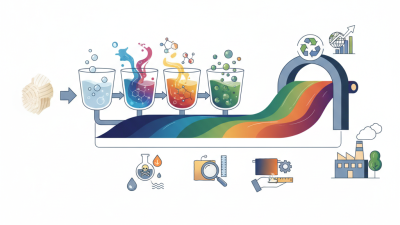
Textile dyeing chemicals fall into several practical categories. Reactive dyes bond with cotton and other cellulosic fibers, supporting bright shades and strong wash resistance. Disperse dyes color polyester under heat and pressure. Acid dyes serve wool, nylon, and silk, especially where clear shades matter. Vat dyes provide deep, durable colors, but their processing needs careful control. Pigments sit on the fiber surface and often require binders during padding or printing.
Auxiliaries quietly determine factory performance. Wetting agents help liquor penetrate tightly woven fabric. Leveling agents reduce uneven shades in long dyeing runs. Sequestering agents control calcium and iron in hard water. Fixing agents improve wet fastness after reactive dyeing. Softeners then adjust hand feel, from crisp shirting to a fuller knit touch. The right chemical is rarely judged alone. Temperature, pH, fiber blend, and rinse quality change the result.
Textile Exchange’s 2024 Materials Market Report recorded about 132 million tonnes of global fiber production in 2023. Polyester represented roughly 57% of that volume, increasing the importance of disperse dye systems. Yet volume is not the whole story. A lower-dose auxiliary may create more wastewater treatment challenges than expected. My practical concern is simple: chemical selection tables often look too clean. Pilot trials, shade continuity checks, and verified safety data remain necessary before global buyers approve a formula.
Key Performance Criteria for Choosing Chinese Dyeing Chemicals
China Best Textile Dyeing Chemicals List for Global Buyers
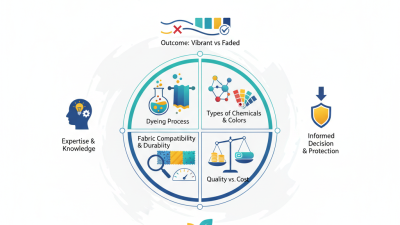
Choosing Chinese dyeing chemicals requires more than comparing prices. Start with shade consistency, fixation rate, salt demand, temperature range, and storage stability. A practical trial should measure color difference, wash fastness, rubbing fastness, and batch-to-batch variation.
ISO 105-C06 and ISO 105-X12 provide useful testing references for washing and rubbing performance. Request test records, not only a technical data sheet.
Environmental performance also matters. The World Bank estimates that textile production creates about 20% of global wastewater, although this figure is often repeated without enough process detail. Dye selection can still reduce the burden through lower-temperature application, improved fixation, and fewer rinsing cycles.
ZDHC Wastewater Guidelines
The ZDHC Wastewater Guidelines offer a recognized framework for checking restricted substances and discharge quality. Ask for current SDS files, laboratory evidence, heavy-metal testing, and clear impurity limits. Documentation may look complete but still hide weak testing.
Tips: Test on your actual fabric. Cotton, polyester, and blended fabrics react differently. Compare three production lots, not one sample. Record water hardness, pH, liquor ratio, and drying conditions.
A cheaper product may fail later. That lesson is easy to overlook. The 2024 Textile Exchange Materials Market Report records global fiber production at about 132 million tonnes in 2023, showing why small efficiency gains can matter across large supply chains.
Still, published data cannot replace an on-site trial and an honest review of failed results.
China’s Leading Textile Dyeing Chemical Types for Global Buyers
China offers a wide range of textile dyeing chemicals for global buyers. Reactive dyes are widely used for cotton because they provide bright shades and strong washing resistance. They usually require alkaline fixation and careful salt control. Disperse dyes suit polyester and need high-temperature processing. Acid dyes work well on nylon, wool, and other protein fibers. Direct and vat dyes remain useful for selected cotton applications.
Chinese suppliers also provide essential dyeing auxiliaries. Wetting agents help fabric absorb liquor evenly. Leveling agents reduce streaks and uneven color. Sequestering agents control calcium and magnesium in hard water. Fixing agents can improve wet fastness after dyeing. These chemicals must match the fiber, dye class, machine, and finishing process. A product that performs well on cotton may fail on polyester.
Global buyers should request a safety data sheet, technical data sheet, batch information, and regulatory declarations. Laboratory dips can reveal compatibility before bulk purchasing. Test color strength, shade variation, washing fastness, and residue formation. Copy the actual production conditions when possible, including water quality and temperature. A reactive dye trial may run near 60°C, while disperse dyeing often approaches 130°C. Small errors matter. A low-cost sample may create extra rework, wastewater treatment, or fabric rejection. Even experienced teams can overlook packaging moisture, storage temperature, or lot-to-lot consistency.
Import, Safety, and Compliance Considerations for International Buyers
International buyers need more than a color card when selecting textile dyeing chemicals. They need traceable documents, tested formulations, and destination-market knowledge. The Textile Exchange Materials Market Report 2024 recorded approximately 124 million tonnes of global fiber production in 2023. This scale increases scrutiny of chemical inputs and wastewater controls.
Request a current Safety Data Sheet, Certificate of Analysis, batch number, CAS details, and country of origin. Check the SDS against the destination language and GHS requirements. For European shipments, screen substances against REACH restrictions and candidate-list obligations. Other markets may apply different chemical inventories, labeling rules, or import permits. OECD due diligence guidance supports supplier mapping and risk-based verification, not simple paperwork collection. UNEP has reported that textile production generates about 20% of global wastewater. Therefore, buyers should ask for wastewater test results, restricted-substance screening, and evidence of proper storage. A compliant file can still hide weak factory practices. That risk deserves attention.
Tips: Compare the SDS, label, invoice, and test report line by line. Confirm the chemical’s HS code with a customs professional. Request independent laboratory testing for high-risk auxiliaries. Keep records for every batch and shipment. Do not rely only on supplier declarations; they may be outdated, incomplete, or translated poorly.solete? A small translation error can change handling instructions and create expensive delays. Review requirements before ordering, not after the container reaches port.
China Best Textile Dyeing Chemicals List for Global Buyers
Typical dye-bath pH operating windows by dye chemical class
How to read this chart: These are commonly used indicative pH ranges for textile dyeing processes. Reactive dyes generally require alkaline conditions, while acid and disperse dyes are typically applied in mildly acidic baths. Actual operating conditions depend on the fiber, dye formulation, auxiliaries, temperature, and machine type.
For international imports, buyers should verify the supplier’s SDS, GHS classification, restricted-substance declarations, applicable REACH requirements, wastewater-treatment compatibility, batch traceability, and country-specific labeling rules before purchase.