
Blog
- Home
- /
- Blog
2026 Best 99% Pure Cetearyl Alcohol Suppliers?
Finding the 2026 best 99% Pure Cetearyl Alcohol suppliers requires more than comparing prices or polished websites. It requires evidence.
Cetearyl alcohol is a fatty alcohol blend, commonly containing cetyl alcohol and stearyl alcohol. It supports texture, viscosity, emulsion stability, and skin feel in creams, conditioners, and lotions. Yet “99% pure” can mean different things across supplier specifications. Buyers should request a current certificate of analysis, manufacturing location, batch number, and testing method.
Cosmetic chemist Perry Romanowski has often emphasized, “The formula is the product, not the ingredient alone.” This principle matters when evaluating 99% Pure Cetearyl Alcohol. A high assay result does not guarantee consistent melting behavior, low odor, reliable color, or smooth processing. Small differences can appear in a 500-kilogram production vessel.
Look closely at hydroxyl value, acid value, iodine value, moisture, color, odor, and particle or flake form. Ask whether the supplier provides retained samples and batch-to-batch comparison data. Traceability matters.
So does responsiveness.
A dependable supplier should explain packaging, storage conditions, lead times, minimum order quantities, and technical support. Independent laboratory verification can strengthen confidence, especially before approving a long-term contract. Still, no supplier is perfect. Documentation may be complete while communication remains slow. A low price may hide inconsistent logistics.
This guide compares supplier credibility through technical transparency, manufacturing experience, quality controls, and practical customer support. It does not treat marketing claims as proof. Real performance begins with verified specifications and continues through formulation trials.
What Is 99% Pure Cetearyl Alcohol?
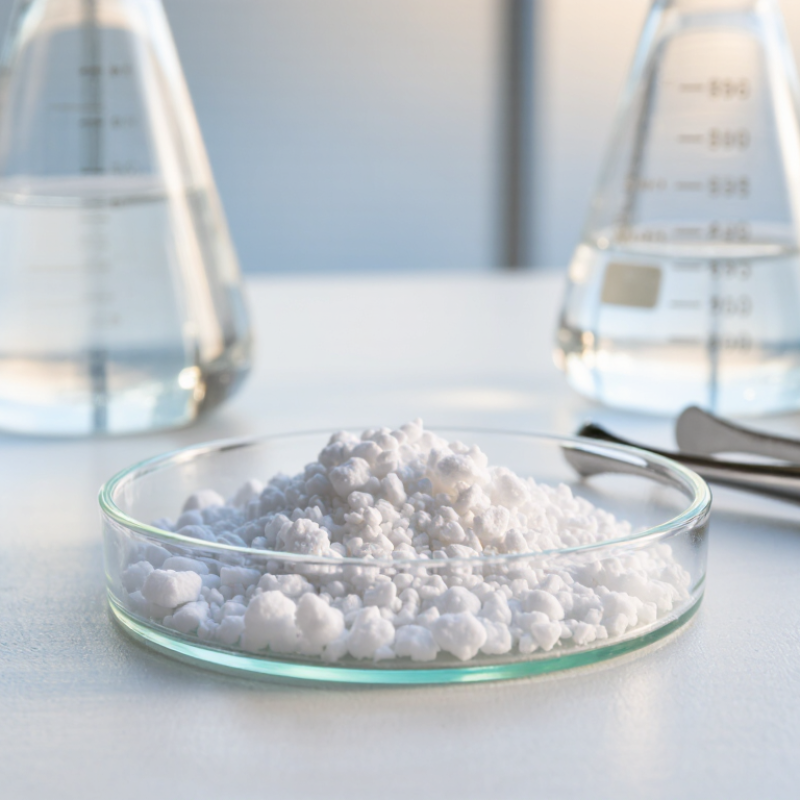
99% pure cetearyl alcohol is a high-assay fatty alcohol blend used in creams, lotions, conditioners, and cleansing products. It usually contains cetyl alcohol and stearyl alcohol in a controlled ratio. Despite its name, it is not drinking alcohol and does not behave like ethanol. It appears as white pellets, flakes, or pastilles with a mild fatty odor. Not quite.
In a formulation, cetearyl alcohol thickens the product and improves its texture. It can also support emulsion stability when combined with suitable emulsifiers. A cream with poor-quality material may feel grainy, drag across the skin, or separate after heating and cooling. Small differences matter. The stated 99% purity usually describes assay content, not one single chemical compound. This point is often misunderstood.
Experienced buyers should review the certificate of analysis, test method, melting range, acid value, color, odor, and moisture level. Batch traceability is equally important. Reliable suppliers should provide consistent specifications and independent quality documentation. In practical testing, compare several batches in the same formula, then record viscosity, appearance, and stability after storage. A supplier may offer an attractive purity number, yet the material can still vary in particle size or processing behavior. That deserves a closer look before large-scale purchasing.
How to Evaluate Cetearyl Alcohol Suppliers in 2026
A reliable cetearyl alcohol supplier should provide more than a “99% pure” claim. Ask for a current certificate of analysis from each production batch. Check assay, melting range, hydroxyl value, acid value, iodine value, moisture, and color. These figures reveal whether the material will perform consistently in creams, balms, and solid formulations.
Request the fatty alcohol profile, including the cetyl and stearyl alcohol ratio. A small shift can change viscosity, spreadability, and product texture. Review the safety data sheet, technical data sheet, allergen statement, and manufacturing traceability. The documents should match the supplied lot number. Samples should be tested in your own formula, not only in the supplier’s laboratory. Watch the emulsion after heating, cooling, and several weeks of storage.
Ask how the supplier controls raw materials, packaging, contamination risks, and warehouse humidity. Factory audits, quality certifications, and retained samples add useful evidence, but paperwork is not proof by itself. Speak with the technical team and observe how quickly they answer difficult questions. Vague replies deserve caution. Pricing also needs context. An unusually low offer may reflect weaker testing, inconsistent sourcing, or hidden logistics costs. I would compare at least three lots before approving a long-term supply. Even then, my assessment would remain open to revision, because “99% pure” does not guarantee identical performance in every formulation.
2026 Best 99% Pure Cetearyl Alcohol Suppliers? – How to Evaluate Cetearyl Alcohol Suppliers in 2026
| Evaluation Area | Key Dimension | Recommended 2026 Benchmark | Evidence to Request | Suggested Weight |
|---|---|---|---|---|
| Purity | Total fatty alcohol assay | At least 99.0% when marketed as 99% pure; the analytical method must be clearly stated. | Lot-specific Certificate of Analysis, test method, sampling date, and release signature. | 20% |
| Composition | C16/C18 fatty alcohol profile | The specification should define the cetyl alcohol and stearyl alcohol ratio rather than relying only on the name “cetearyl alcohol.” | GC-FID or equivalent chromatographic profile, product specification, and retained-sample policy. | 12% |
| Identity | INCI name and chemical identification | INCI: Cetearyl Alcohol; commonly identified by CAS No. 67762-27-0 for the mixed fatty alcohol material. | SDS, technical data sheet, specification sheet, and identity-test result. | 7% |
| Physical Performance | Melting or solidification range | A typical cetearyl alcohol range is approximately 48–56°C; the supplier must provide the actual product-specific limit. | Current TDS, lot COA, test method, and application-performance data. | 8% |
| Quality Controls | Acid value, hydroxyl value, color, and moisture | Use narrow, product-specific limits. Typical screening references include acid value ≤1.0 mg KOH/g, hydroxyl value around 176–188 mg KOH/g, low moisture, and controlled color. | Three recent COAs from different lots, specification history, and nonconformance records. | 12% |
| Contamination Control | Heavy metals, residual solvents, microbiological risk, and allergens | Limits should be risk-based and aligned with the intended market and cosmetic formula; the material should be free from intentionally added allergens unless declared. | Contaminant statement, allergen declaration, microbiological statement, and relevant laboratory reports. | 8% |
| Regulatory Readiness | Market-specific documentation | Documentation should support applicable cosmetic requirements in the United States, European Union, United Kingdom, and other target markets. | SDS in required languages, REACH status where applicable, ingredient declaration, non-animal testing statement, and regulatory questionnaire. | 10% |
| Manufacturing System | Quality management and change control | Prefer a documented quality system with batch traceability, deviation handling, corrective actions, and formal change notification. | Quality certificate, audit questionnaire, change-control procedure, and recall/complaint process. | 8% |
| Supply Reliability | Lead time, minimum order quantity, and continuity | Evaluate average lead time, safety-stock policy, production capacity, forecast flexibility, and availability of an approved second source. | Written supply commitment, lead-time history, MOQ schedule, capacity statement, and business-continuity plan. | 7% |
| Packaging and Logistics | Protection from heat, moisture, and contamination | Packaging should be sealed, clean, lot-coded, and suitable for a material that can soften or melt under elevated temperatures. | Packaging specification, storage conditions, transport guidance, pallet configuration, and seal-integrity controls. | 4% |
| Commercial and Sustainability | Total cost, traceability, and environmental information | Compare delivered cost, payment terms, documentation service, origin traceability, renewable-feedstock options, and available carbon or sustainability data. | Incoterms quotation, origin statement, sustainability questionnaire, supply-chain map, and any independently verified claims. | 4% |
Top 99% Pure Cetearyl Alcohol Supplier Selection Criteria
2026 Best 99% Pure Cetearyl Alcohol Suppliers?
Selecting a 99% pure cetearyl alcohol supplier requires more than checking the headline assay. Recent fatty alcohol market reports from Grand View Research and Fortune Business Insights indicate steady mid-single-digit growth through 2030. That growth increases supply options, but not necessarily quality. During supplier audits, buyers should request three recent batch CoAs, not one polished sample. Check assay, C16/C18 ratio, hydroxyl value, acid value, iodine value, moisture, ash, and melting range. Small variations can change cream texture, viscosity, and stability.
Documentation matters. The CoA should connect to a traceable batch number and testing method. Independent laboratory verification is useful, especially for a claimed 99% purity level.
Review ISO 22716-based manufacturing controls, allergen statements, safety data, technical data, and regulatory support for the target markets. ISO 16128 may help assess natural-origin claims, but it does not prove product performance. This distinction is often missed.
Ask for pilot samples from different production lots. Test them in your actual emulsion, including heat-cool cycles and long-term storage. A supplier with stable color, odor, particle form, and melting behavior is more valuable than a low quotation. Supply reliability also deserves evidence, such as lead-time records and packaging controls.
One weakness remains: many public market reports combine several fatty alcohol types, so their growth figures cannot predict cetearyl alcohol availability precisely. That uncertainty should shape your purchasing plan.
Applications and Benefits of High-Purity Cetearyl Alcohol
High-purity cetearyl alcohol supports modern cream, lotion, balm, and conditioner formulas. It combines cetyl and stearyl alcohol, creating a stable, wax-like structure. This ingredient thickens emulsions, improves slip, and reduces a greasy after-feel. In hair products, it helps soften strands and supports easier combing.
The Cosmetic Ingredient Review Expert Panel reviewed fatty alcohol ingredients and found them safe in cosmetic formulations when properly formulated. A 2024 Grand View Research report valued the global fatty alcohol market at approximately USD 6.2 billion in 2023, with continued growth expected through 2030. That demand reflects wider use in personal care, not proof that every 99% material performs equally. A 99% purity claim is only one checkpoint. Melting range, acid value, hydroxyl value, moisture, color, odor, and contaminant controls also affect batch performance. This is where procurement can become less certain.
Tips: Request a recent certificate of analysis and retain a reference sample. Check the test method behind “99%.” Compare viscosity after cooling, not only the supplier specification. Small differences can change lotion texture. Also review origin, traceability, and packaging conditions. I have seen formulas pass early trials, then feel waxier after scale-up. That result deserves investigation, not an easy excuse.
Quality, Certification, Pricing, and Supply Considerations
In 2026, a 99% purity claim needs careful interpretation. Cetearyl alcohol is usually a blend of cetyl and stearyl alcohols, not one single compound. Request a recent certificate of analysis, including assay method, melting range, hydroxyl value, acid value, color, and microbiological limits. I would also verify batch-to-batch consistency through independent testing. A neat specification sheet is not enough.
Certification affects supplier reliability. ISO 9001 supports quality control, while ISO 22716 is relevant to cosmetic manufacturing practices. RSPO documentation may help buyers seeking certified palm-derived materials. Grand View Research’s 2024 personal care ingredients analysis identifies continued demand for renewable and functional ingredients. Mordor Intelligence also reports Asia-Pacific as a leading fatty alcohol consumption region. These trends may improve availability, but they do not guarantee stable quality. Pricing remains difficult to compare. ICIS feedstock assessments show that fatty alcohol costs can shift with palm and oleochemical feedstock prices, freight, energy, and regional inventory. Published reports provide direction, not your final quotation.
Tips: Ask for three recent CoAs, not one. Confirm whether “99%” means total fatty alcohol assay or a specific carbon-chain ratio. Compare delivered cost, packaging, lead time, minimum order quantity, and safety stock. A lower price can hide slower replenishment. I once treated a low quote as efficient; the overlooked freight surcharge changed the result. Supplier audits are useful, though never perfect.
2026 Best 99% Pure Cetearyl Alcohol Suppliers
A practical supplier-evaluation framework for 99% minimum-purity cetearyl alcohol, based on the key purchasing factors of quality, certification, pricing, and supply reliability. The percentages represent recommended decision weights rather than company-specific performance claims.
Quality receives the highest weighting because assay, melting range, acid value, hydroxyl value, odor, color, and batch consistency directly affect formulation performance. Certifications support regulatory and market access, while pricing and supply continuity help control total procurement risk.