Colourinn Industries – Textile & Dyes Auxiliaries Manufacturer & Exporter

Blog

  1. Home
  2. /
  3. Blog

Top 10 Best Practices in the Textile Dye Industry for Sustainable Growth

The textile dye industry plays a pivotal role in the global fashion landscape, valued at approximately $18 billion in 2022. As sustainability becomes essential, the demand for eco-friendly solutions is rising. Reports indicate that over 50% of dye production releases harmful substances into waterways, sparking environmental concerns. This alarming statistic necessitates the adoption of better practices.

In response, many companies are turning to sustainable alternatives. Waterless dyeing technologies, for instance, can reduce water usage by up to 90%. Additionally, natural dyes sourced from plants and insects are gaining traction. Crafting sustainable dyes not only mitigates environmental damage but also enhances brand reputation. Yet, the transition is not without challenges. Many industries struggle to balance cost, quality, and sustainability.

As stakeholders navigate these complexities, it is crucial to implement best practices that foster long-term growth. Awareness and education are vital. Despite this knowledge, many brands lag in adopting greener methods. Continued investment in research and development can significantly improve the industry's ecological footprint. The future of the textile dye industry hinges on embracing sustainability and innovation.

Top 10 Best Practices in the Textile Dye Industry for Sustainable Growth

Understanding the Importance of Sustainability in Textile Dyeing
Top 10 Best Practices in the Textile Dye Industry for Sustainable Growth

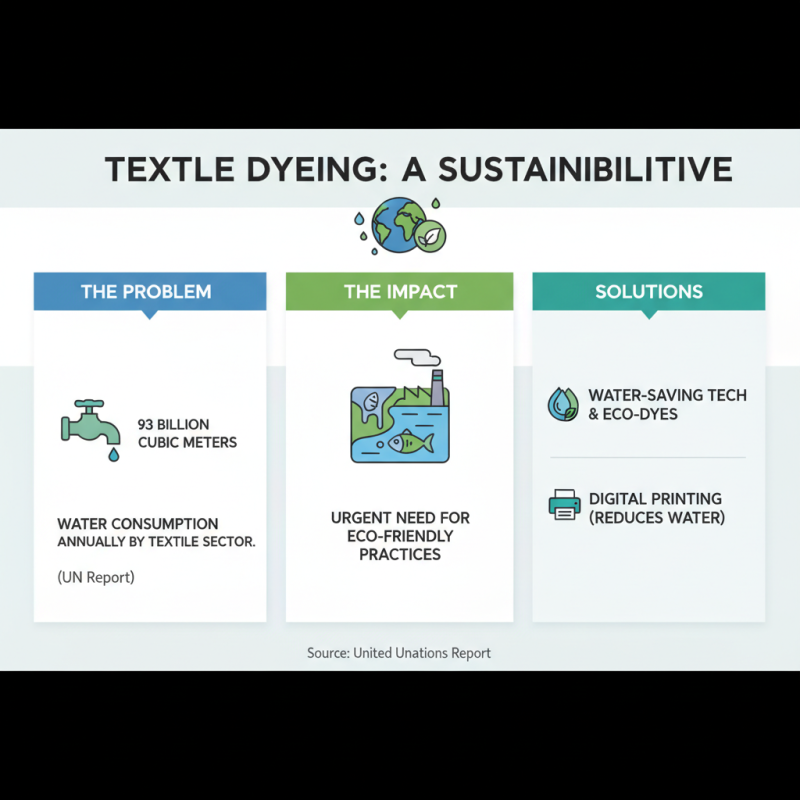
The textile dyeing industry plays a crucial role in global sustainability. According to a report by the United Nations, the textile sector consumes about 93 billion cubic meters of water annually. This alarming figure highlights the urgent need for sustainable practices within dyeing processes. To address this, companies can adopt water-saving technologies and eco-friendly dye materials. Innovations, such as digital printing, can significantly reduce water usage.

Sustainability in textile dyeing is not just a buzzword. It's essential for long-term growth. A study by the Ellen MacArthur Foundation found that the fashion industry is responsible for 20% of global wastewater. Additionally, nearly 25% of the world's chemicals are used in textile production. Implementing closed-loop systems can help minimize this waste. There is a growing recognition of the importance of transparency in supply chains. Consumers increasingly demand proof of sustainable methods. This shift requires those in the industry to reflect critically on their practices.

Organizations should strive for certifications that verify sustainable practices. However, many companies face challenges in achieving these standards. The complexity of sourcing eco-friendly materials can be daunting. Educating stakeholders about sustainability’s long-term benefits is essential. Emphasizing these practices can create a more sustainable future, but the journey is still ongoing. Balancing profit and ecological responsibility remains a pressing concern for many.
Key Techniques for Reducing Water Usage in Dye Processes

The textile dye industry faces significant water challenges. Traditional dyeing processes consume vast amounts of water, leading to environmental concerns. Innovative techniques can help reduce water usage, paving the way for sustainable practices.

One effective method is the use of closed-loop systems. These systems recycle water within the dyeing process, minimizing waste. Another approach involves exploring alternative dyeing methods, such as digital printing or foam dyeing. These techniques often require less water while maintaining vibrant colors. However, they may not be suitable for all textiles. Challenges in implementation and technology must be addressed.

Investing in advanced technology can support these efforts. For instance, adopting water-efficient machinery can enhance dyeing processes. Yet, not all facilities may afford these upgrades. It’s crucial to balance technological advances with operational budgets. Collaboration across the industry can drive consistent improvement. Sharing knowledge and best practices fosters innovation. Ultimately, striving for low-impact processes benefits both the environment and long-term business viability.

Top 10 Best Practices in the Textile Dye Industry for Sustainable Growth - Key Techniques for Reducing Water Usage in Dye Processes

Best Practice Description Water Reduction (%) Implementation Cost ($)
Closed-Loop Water Systems Recycling and reusing water within the dyeing process. 60 150,000
Digital Printing Technologies Utilizing digital inkjet methods to minimize dye and water usage. 50 200,000
Low-Water Dyestuffs Employing dyes that require less water during application. 40 80,000
Efficient Load Management Optimizing dyeing machines for better load efficiencies. 30 50,000
Pre-Treatment Innovations Improving pre-treatment processes to reduce overall water consumption. 25 70,000
Batch vs. Continuous Dyeing Choosing the right dyeing method based on fabric and dye type. 20 100,000
Use of Enzymes in Dyeing Applying enzymatic processes to enhance dye adherence. 35 60,000
Rainwater Harvesting Collecting and using rainwater for dye processes. 45 40,000
Smart Water Management Systems Utilizing IoT for monitoring and managing water usage. 55 120,000
Training and Education Educating staff on sustainable practices and water efficiency. 15 10,000

Adopting Non-toxic and Eco-friendly Dyeing Substances

The textile dye industry is evolving. A growing number of manufacturers are moving towards non-toxic and eco-friendly dyeing substances. This shift is crucial for minimizing environmental impact. Traditional dyes often contain harmful materials that pollute water sources. Non-toxic alternatives, like natural plant dyes, offer a safer solution. These dyes not only enhance fabric quality but also reduce exposure to toxic chemicals.

Adopting alternative dye methods can help reduce waste. Techniques like digital printing or low-water dyeing are gaining traction. These methods save resources and lessen environmental damage. However, many manufacturers face challenges in sourcing sustainable materials. The availability of eco-friendly dyes can sometimes be limited. This raises questions about consistency in supply and performance.

Education is vital in this industry transformation. Companies must invest in training for employees. Knowledge about sustainable processes fosters a proactive approach. As businesses embrace these practices, they become part of a larger movement towards sustainability. The textile dye sector is on a path to change. Yet, reflection on practices and goals remains essential for true progress.

Implementing Energy-efficient Practices in Dye Houses

Energy efficiency plays a crucial role in the dyeing process within the textile industry. Implementing energy-efficient practices in dye houses not only lowers operational costs but also reduces environmental impact. For instance, using high-efficiency boilers can minimize energy consumption significantly. Additionally, optimizing heat recovery systems helps reuse energy, reducing waste.

A common oversight in dye houses is the lack of regular maintenance for equipment. This can lead to inefficiencies and increased energy usage. Regular audits can identify areas where energy is wasted. Simple improvements, such as insulation of steam pipes, can enhance performance and save costs.

Investing in training for staff is essential. Skilled workers can implement energy-saving practices effectively. However, many companies struggle with this. They may invest in technology but neglect the human element. Balancing investment in technology and training is key to fostering sustainable growth in the dye industry.

Energy Efficiency in the Textile Dye Industry

Establishing Transparent Supply Chains for Ethical Sourcing

Top 10 Best Practices in the Textile Dye Industry for Sustainable Growth

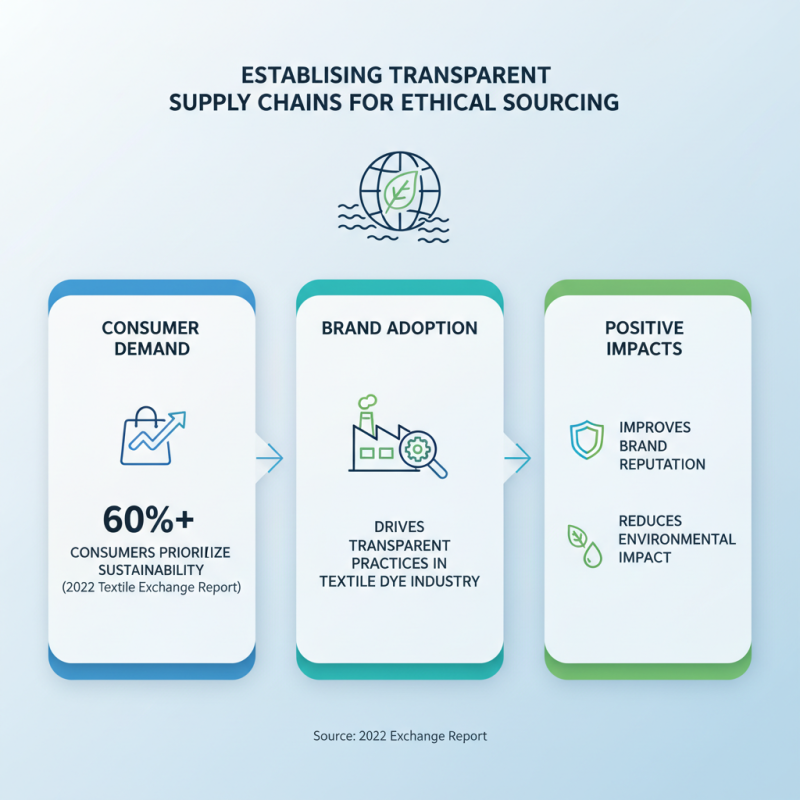
Establishing transparent supply chains in the textile dye industry is essential for ethical sourcing. According to a 2022 report from Textile Exchange, over 60% of consumers prioritize sustainability when making purchases. This demand drives brands to adopt more transparent practices. Transparency not only improves brand reputation but also reduces environmental impact.

To achieve effective transparency, companies must embrace traceability. This involves tracking raw materials from their origin to their final use. Current industry studies suggest that 70% of textile waste stems from inefficient sourcing practices. By employing blockchain and other tracking technologies, companies can effectively monitor their supply chains and decrease waste.

Tips: Collaborate with suppliers who practice ethical sourcing. Regularly audit the supply chain to ensure compliance. Use digital tools to enhance visibility. These steps can help address the complex challenges of transparency while promoting sustainable growth within the industry. The journey to a more sustainable textile dye sector requires continuous reflection and adaptation. It is not without its challenges, but the potential rewards are substantial.