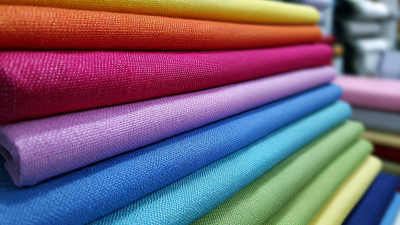
10 Best Types of Dyes Used in the Textile Industry for Vibrant Fabrics
In the vibrant world of textiles, the choice of dyes plays a crucial role in determining the quality and appeal of fabrics. The types of dyes in the textile industry are not only essential for achieving vivid colors but also for meeting the demands of sustainability and performance in a fast-evolving market. According to a report by Market Research Future, the global dye market is projected to reach USD 14.6 billion by 2027, highlighting the growing significance of this sector.
Industry experts, such as Dr. Emily Chen, a prominent dye specialist, emphasize the importance of understanding the various types of dyes in the textile industry. She noted, "The selection of dye type can significantly influence not just colorfastness but also the environmental impact of the production process." As the textile industry increasingly pivots towards eco-friendly practices, knowledge of different dye types becomes imperative for manufacturers, enabling them to produce vibrant, sustainable fabrics that cater to a discerning consumer base.
In this context, exploring the ten best types of dyes used in the textile industry reveals not only their diverse applications but also the advancements being made to improve both aesthetic and functional properties. This overview not only serves to educate manufacturers and designers but also aligns with the broader industry's commitment to innovation and environmental responsibility.
Overview of the Textile Dyeing Process and Its Importance in Fabric Production
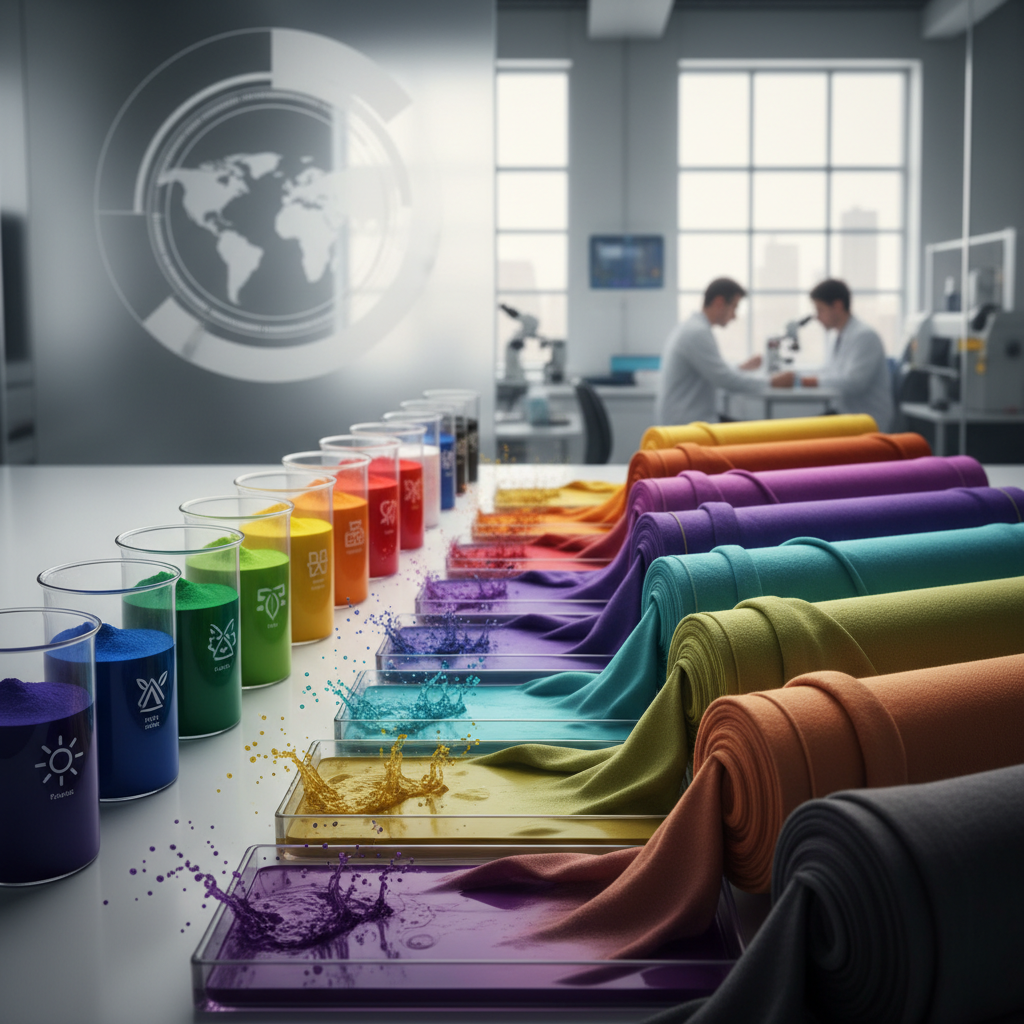
The textile dyeing process is a crucial step in fabric production, significantly influencing the aesthetic appeal and market value of the final product. According to the International Journal of Textile Science, approximately 60% of global demand for textiles is driven by color trends. This highlights the importance of precise dyeing techniques in meeting consumer preferences and achieving brand differentiation in a highly competitive industry.
In the dyeing process, various methods such as direct, reactive, and vat dyeing are employed, each tailored for specific fiber types and the desired vibrancy of color. The global textile dye market was valued at over $22 billion in 2020 and is expected to grow as sustainability becomes a focal point for manufacturers. Notably, the utilization of eco-friendly dyes can reduce water pollution by up to 80%, establishing a balance between vibrant fabrics and environmental stewardship. Therefore, understanding the dyeing process not only contributes to the creation of beautifully colored textiles but also plays a significant role in promoting sustainable practices within the industry.
10 Best Types of Dyes Used in the Textile Industry
Key Characteristics and Requirements for Effective Textile Dyes
When selecting dyes for the textile industry, understanding their key characteristics and compliance with industry standards is essential for achieving vibrant and lasting colors. Effective textile dyes should be lightfast, meaning they resist fading when exposed to sunlight, and washfast, ensuring colors remain intact through numerous wash cycles. According to a report by the American Association of Textile Chemists and Colorists (AATCC), fabrics dyed with high-quality reactive dyes demonstrate exceptional washfastness ratings of up to 4.5 on a scale of 5, enhancing their durability in everyday use.
To ensure optimal results, it is crucial to consider the dyeing process. Factors such as temperature, pH, and time play significant roles in dye uptake and fixation. For instance, direct dyes perform best at specific temperatures to maximize their affinity for cellulose fibers. As a tip, conducting small-scale trials with varying parameters can help identify the ideal conditions for your specific textile application, thus preventing production complications later.
Moreover, sustainability in dyeing practices is increasingly becoming a priority. Eco-friendly dyes, such as those derived from natural sources or low-impact synthetic options, are gaining traction. Reports indicate that brands focusing on sustainability see a 30% increase in consumer preference. As a tip, prioritize dyes with certifications such as OEKO-TEX or GOTS, which assure compliance with environmental and safety standards, thereby appealing to the growing market of eco-conscious consumers.
Top 10 Types of Dyes Used in the Textile Industry for Vibrant Fabrics
In the textile industry, the selection of dyes plays a crucial role in achieving vibrant fabrics that capture attention and cater to diverse consumer preferences. Among the top types of dyes used are reactive dyes, known for their bright hues and excellent wash fastness. They form a covalent bond with the fiber, making the colors exceptionally durable, ideal for cotton and other cellulose fibers. Another popular choice is disperse dyes, primarily used for synthetic fibers like polyester. These dyes create vivid, long-lasting colors through a process of dispersion, which makes them particularly effective for sportswear and other high-performance textiles.
Additionally, acid dyes are favored for their striking colors on protein fibers such as silk and wool. They are water-soluble and provide a range of vibrant shades, making them perfect for fashion fabrics. Natural dyes, derived from plants and animals, are gaining popularity as sustainable alternatives, offering unique color variations and eco-friendly solutions. By understanding the properties and applications of these various dye types, manufacturers can create textiles that not only meet market demands but also resonate with environmentally conscious consumers.
Comparative Analysis of Natural vs. Synthetic Dyes in Textile Applications
In the textile industry, the choice between natural and synthetic dyes greatly influences the quality, sustainability, and vibrancy of fabrics. A 2022 report from the Textile Chemicals Association highlighted that synthetic dyes dominate the market, accounting for nearly 90% of the dyeing processes used in large-scale production. These dyes offer several advantages, including a wide range of vivid colors, greater colorfastness, and consistency in production. For instance, reactive dyes, a category of synthetic dyes, are favored for cotton textiles due to their excellent wash and lightfastness, making them the go-to choice for many manufacturers.

On the other hand, there is a growing trend toward using natural dyes, driven by increasing consumer demand for environmentally friendly products. According to a study published in the Journal of Cleaner Production, the market for natural dyes is projected to grow at a CAGR of 5.6% between 2023 and 2028, reflecting a significant shift in consumer preferences. Natural dyes, derived from plants, minerals, and insects, offer unique colors and textures that are often perceived as more luxurious. However, they typically require more time and labor to produce and may not provide the same level of colorfastness as their synthetic counterparts. As manufacturers navigate these complexities, the choice of dye continues to be a crucial factor in meeting both aesthetic and environmental standards in textile production.
Market Trends and Innovations in Textile Dyes: Sustainability and Performance
The textile dye market has witnessed significant growth trends, driven by the rising demand for vibrant and sustainable fabrics. A recent report highlights that the digital textile printing ink market is projected to reach a value of $1,903.09 million in 2024 and is expected to soar to $6,400.13 million by 2032, reflecting a compound annual growth rate (CAGR) of 16.37%. This surge is indicative of the industry's shift towards innovative dyeing techniques that prioritize sustainability while delivering high-performance results.
Moreover, the textile chemicals market is anticipated to see considerable expansion, influenced by various product types including dyes, coatings, and additives, as well as applications spanning clothing, furniture, and technical textiles. As new textile fibers emerge, the emphasis on environmentally-friendly manufacturing processes has become increasingly paramount. These advancements are not only shaping the future landscape of the textile industry but also aligning with global sustainability goals, fostering a trend towards greener production and consumption. The integration of innovative technologies in textile dyeing is expected to enhance both aesthetic qualities and ecological responsibility in fabric production.