2025 Guide: How to Choose the Best Textile Fabrics for Your Projects
In the dynamic world of fashion and design, choosing the right textile fabrics is crucial for the success of any project. As we look ahead to 2025, understanding the diverse options available and their potential applications has never been more essential. Renowned textile expert, Dr. Emily Carter, emphasizes, "The fabric you choose not only defines the aesthetic of your project but also influences its functionality and durability." This statement encapsulates the significance of making informed decisions in the selection of textile fabrics.
The variety of textile fabrics available can be overwhelming, ranging from natural fibers like cotton and linen to innovative synthetic materials. Each type of fabric has its unique properties, which can affect everything from the drape and texture to maintenance and sustainability. Therefore, it is essential for designers, crafters, and manufacturers alike to familiarize themselves with the characteristics of these materials in order to select the most suitable fabrics for their specific projects.
As we explore the guiding principles for choosing the best textile fabrics in 2025, we will delve into the key considerations that should inform every decision. This guide will serve as a resource for individuals looking to enhance their creative endeavors while ensuring quality and practicality in their fabric choices. Understanding these aspects will not only elevate the final outcome but also foster sustainability and responsibility in the textile industry.
Understanding Textile Fabric Types: An Overview of Available Options
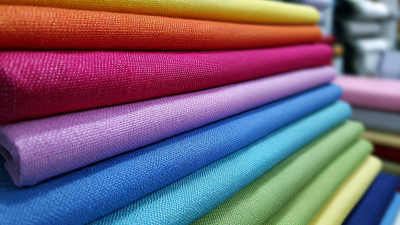
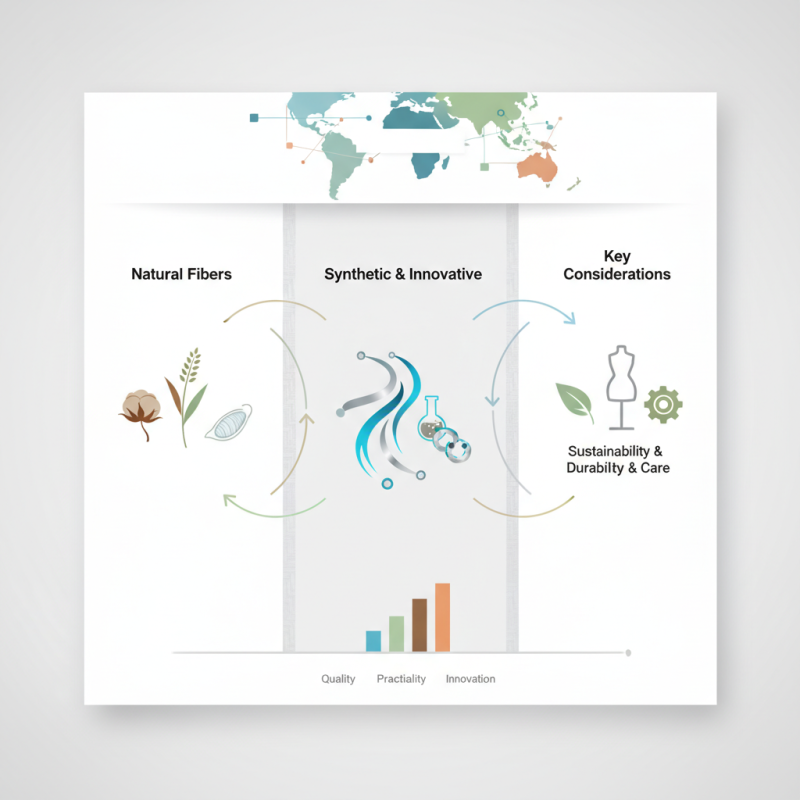
When selecting the right textile fabrics for your projects, understanding the various types available is crucial. The world of textiles is vast, encompassing natural, synthetic, and blended materials, each with unique characteristics and applications. Natural fabrics, such as cotton, linen, wool, and silk, are often favored for their breathability, comfort, and biodegradable properties. For instance, cotton is soft and versatile, making it ideal for garments and home textiles, while wool offers insulation and moisture-wicking abilities, perfect for cooler climates.
On the other hand, synthetic fabrics like polyester, nylon, and spandex have gained popularity due to their durability, resistance to wrinkles, and ease of care. These materials are commonly used in activewear and outdoor gear, where performance is key. Additionally, blends that combine natural and synthetic fibers can provide the best of both worlds, such as in a cotton-polyester blend that offers comfort with enhanced durability. Understanding these fabric types will empower you to make informed choices tailored to the specific needs of your textile projects.
2025 Guide: Understanding Textile Fabric Types
Key Factors to Consider When Choosing Fabrics for Your Projects
When selecting the perfect fabric for your projects, there are several key factors to consider that can significantly influence the final outcome. First and foremost, the functionality of the fabric should align with the intended use of your project. For instance, if you're designing garments that require breathability and stretch, a fabric with a blend of natural and synthetic fibers may be ideal. Similarly, for upholstery or home decor items, durability and ease of maintenance are crucial, which can guide you towards choosing heavier, tightly woven fabrics.
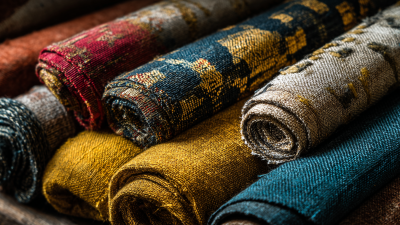
Another important aspect to consider is the fabric's drape and texture. The weight and weave of the fabric will affect how it falls and moves, which is essential for garments and home textiles alike. For a flowing dress or curtain, lightweight and fluid fabrics such as chiffon or silk work well, while structured fabrics like canvas or denim are better suited for tailored pieces or bags. Additionally, evaluating the color, pattern, and print options is vital, as these aesthetic elements will not only define the visual appeal of your project but also impact how it is perceived once completed. Taking these factors into account will help ensure you select the best textile fabric that complements your design vision and functional needs.
2025 Guide: How to Choose the Best Textile Fabrics for Your Projects
| Fabric Type |
Breathability |
Durability |
Stretchability |
Care Instructions |
Best Uses |
| Cotton |
Excellent |
Moderate |
Low |
Machine wash, tumble dry |
Apparel, bed linens |
| Polyester |
Good |
High |
Moderate |
Machine wash, low heat |
Activewear, outdoor gear |
| Linen |
Excellent |
Low |
No stretch |
Machine wash, line dry |
Summer clothing, home decor |
| Silk |
Moderate |
Low |
Low |
Dry clean recommended |
Formal wear, luxury items |
| Wool |
Good |
High |
Low |
Dry clean or hand wash |
Winter clothing, outerwear |
Analyzing Fabric Properties: Durability, Breathability, and Comfort
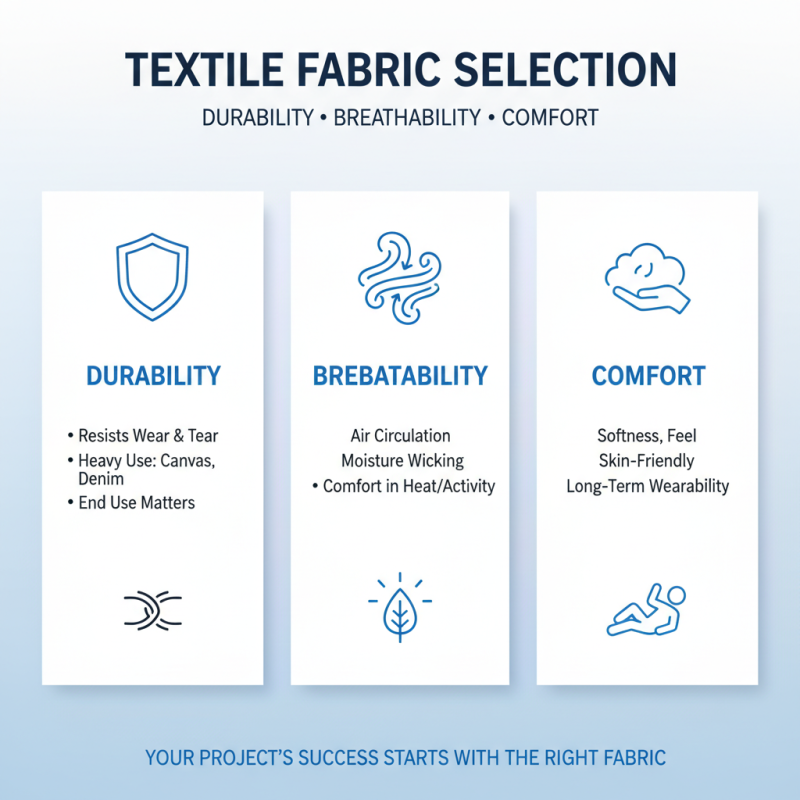
When selecting textile fabrics for your projects, the properties of durability, breathability, and comfort play critical roles in ensuring your final product meets the desired standards. Durability refers to a fabric's ability to withstand wear and tear over time, which is particularly important for items that will be subjected to heavy use, such as upholstery or outerwear. Fabrics like canvas and denim are known for their robustness, while lighter materials may be more suited for less demanding applications. Understanding the end use of your fabric will guide you in choosing materials that will stand the test of time.
Breathability is another essential attribute to consider, especially for clothing and items intended for warm or humid conditions. A breathable fabric allows moisture and air to pass through, keeping the wearer comfortable and dry. Natural fibers such as cotton and linen are excellent choices for breathability, while some synthetic fabrics engineered with moisture-wicking technology can also perform well in this regard. Ensuring proper airflow in your fabric selection can greatly enhance the comfort of the wearer, making it a top priority in the decision-making process.
Lastly, comfort is the overall feel and texture of the fabric against the skin, which greatly influences the user’s experience. The choice between soft, smooth fabrics and those with a more rigid texture can significantly affect how a garment wears and the satisfaction of the person using it. For projects requiring high levels of comfort, such as loungewear or bed linens, prioritize textiles that have a pleasing touch and drape well. Considering these three fabric properties will ensure not only the functionality of your projects but also the satisfaction of those who will use them.
Sustainability in Textiles: Eco-Friendly Choices for Modern Projects
As the demand for eco-friendly products increases, it's essential to understand how sustainability can be integrated into textile choices for modern projects.
Sustainable textiles are typically made from organic, renewable, and biodegradable materials, which help reduce the environmental impact associated with conventional fabric production.
When selecting textiles, pay attention to the sourcing practices of the materials, ensuring that they come from responsible suppliers who prioritize eco-friendly farming and production techniques.
Fabrics made from organic cotton, hemp, and Tencel are great examples of materials that promote sustainability without sacrificing quality or aesthetics.
Another important consideration is the lifecycle of the fabric. Opting for textiles that are durable and have a low environmental footprint not only benefits the planet but also enhances the longevity of your projects.
Look for fabrics that are produced with environmentally friendly dyes and processes, minimizing water usage and pollution.
By choosing textiles that adhere to stringent sustainability standards, modern projects can align with eco-conscious values, ultimately contributing to a healthier planet for future generations.
Cost-Effectiveness in Fabric Selection: Balancing Quality and Budget
When selecting textile fabrics for projects, one of the pivotal considerations is the cost-effectiveness, which necessitates a careful balance between quality and budget. According to a report by the International Textile Manufacturers Federation (ITMF), in 2022, fabric costs have surged by approximately 15% due to inflation and supply chain challenges. These fluctuations can significantly impact project budgets, making it crucial for decision-makers to analyze the longevity and durability of materials, as higher-quality fabrics often yield better performance and longevity, ultimately reducing costs in the long run.
In addition to understanding the cost implications, designers and manufacturers should assess the specific requirements of their projects. A study published by the Textile Research Journal highlights that investing in fabrics with good abrasion resistance can lower replacement costs. For instance, opting for a mid-range polyester blend may cost less upfront but can lead to higher expenses over time if it requires frequent replacement. Therefore, while the initial price may seem attractive, evaluating the value derived from the fabric's performance characteristics is essential in making a well-informed, cost-effective decision that aligns with both quality expectations and budget constraints.